By Diane Lederman | dlederman@repub.com
The Republican – August 04, 2015
—————————————————————————————-
AMHERST – In recent years, the University of Massachusetts has offered a number of summer programs, but until this year a program in sustainable agriculture was missing.
Ten students from around the country came to campus to the one-week program the last week of July. Their only regret was it wasn’t two weeks long.
UMass Stockbridge School of Agriculture instructor Sarah Berquist taught the program on sustainability and food systems.
She said the summer is perfect for a program like this because “harvest is abundant.” And she said the program “is a great opportunity to spread the word about our great program.”
Students learned how the food system in the country operates. They worked with on the UMass student farm in South Deerfield and got the chance to talk to the student farmers.
They worked in the Food for All Garden at UMass, a garden that provides organic produce to places such as the Amherst Survival Center and Not Bread Alone soup kitchen.
On the last day, they were learning about permaculture with a tour of the five-year-old Franklin Dining Commons garden.
Sixteen-year-old Anna Stone came from New York City already aware about poverty and the struggles for food seeing the myriad homeless in the streets.
She is interested in “revitalizing poor communities through urban farms.”
She was learning more about the farm bill and farm systems and the agricultural industry.
UMass permaculture garden manager at UMass talks to students taking part in a one-week campus program.Diane Lederman/The Republican
“I hadn’t studied permaculture.
“I want to bring those techniques back,” she said.
Brett Koslowsky, 17, from Cambridge was also enjoying the “overview, the states of a different areas.”
She too is interested in agriculture and is a member of the Belmont High School’s Garden and Food Justice Club. She attends that school.
Both said they might be interested in coming to the UMass sustainable agricultural program now that they know about.
Jenna Carellini, 18, of Fishkill New York, wants to study nutrition and took a nutrition program last year but that was in the lab.
She wanted “a hands on approach” and was enjoying that with the week.
Berquist said they capped the program at 10 and had a few more applicants than spaces. She said they’d like to bring it back next summer and perhaps extend it and open it up to more people.
“Their passion for the topic is incredible,” she said of her students. She was impressed “to see people (their age) with that much interest and knowledge.”
She said they want to be “ambassadors for change.”
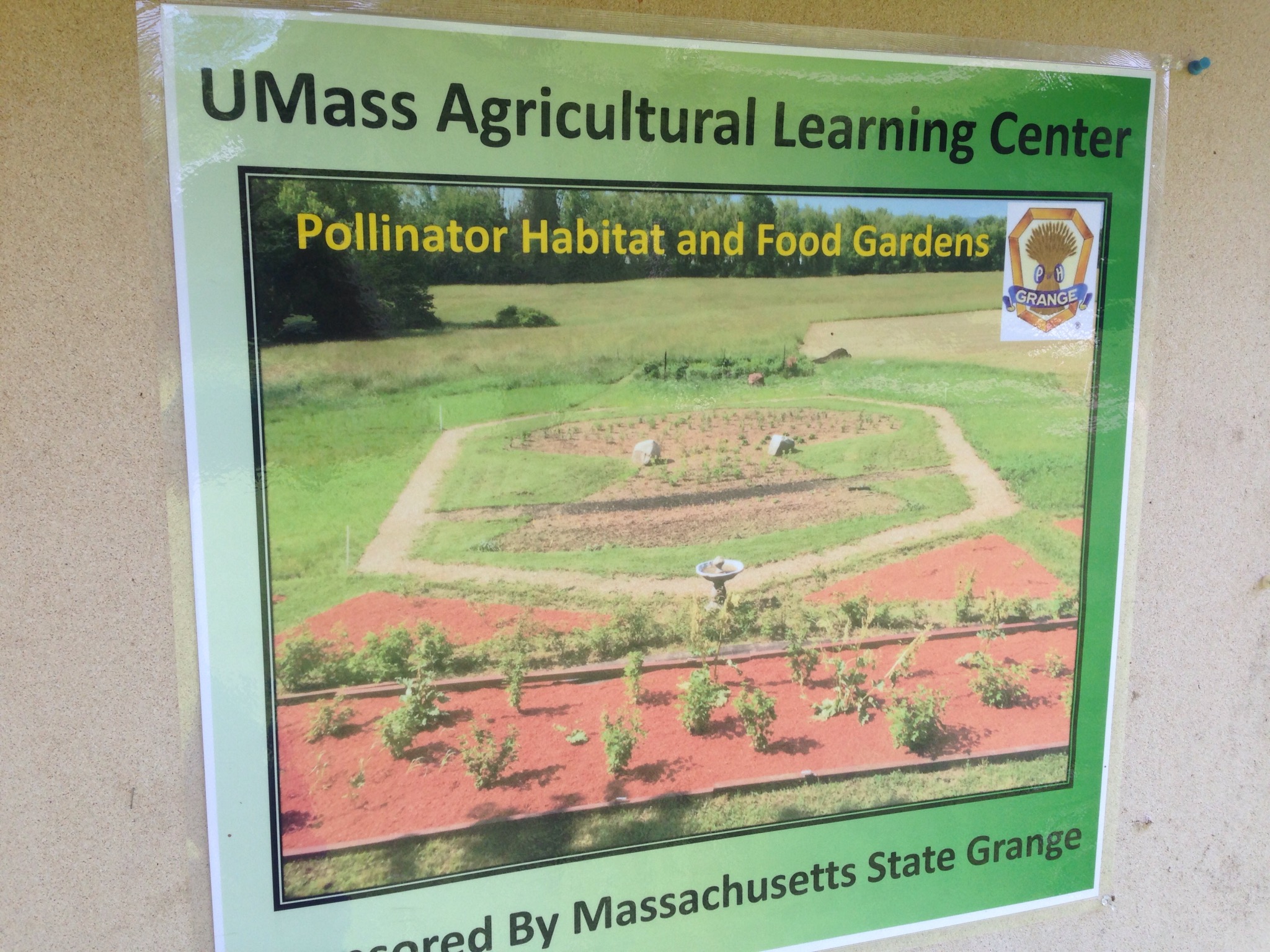
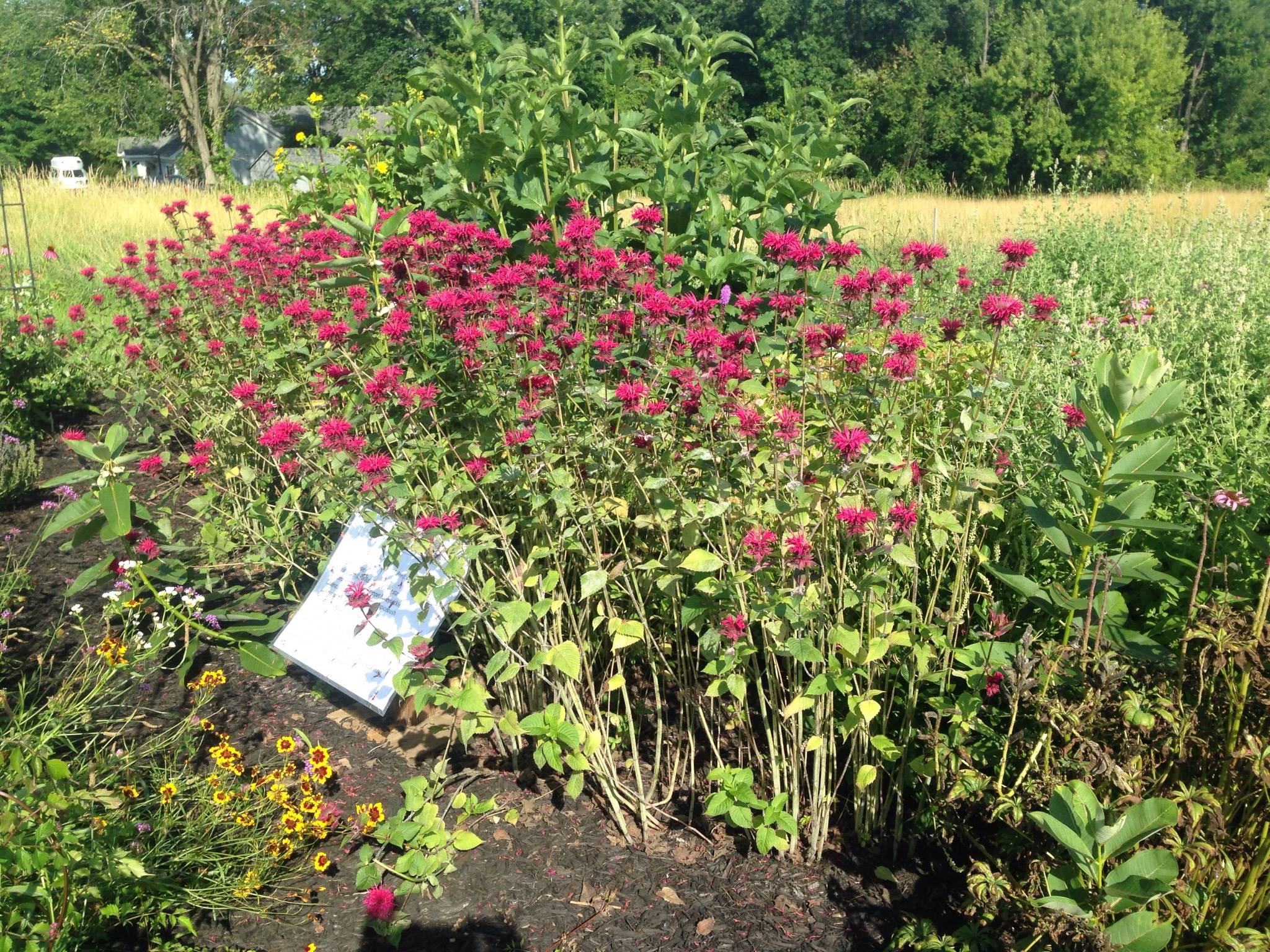
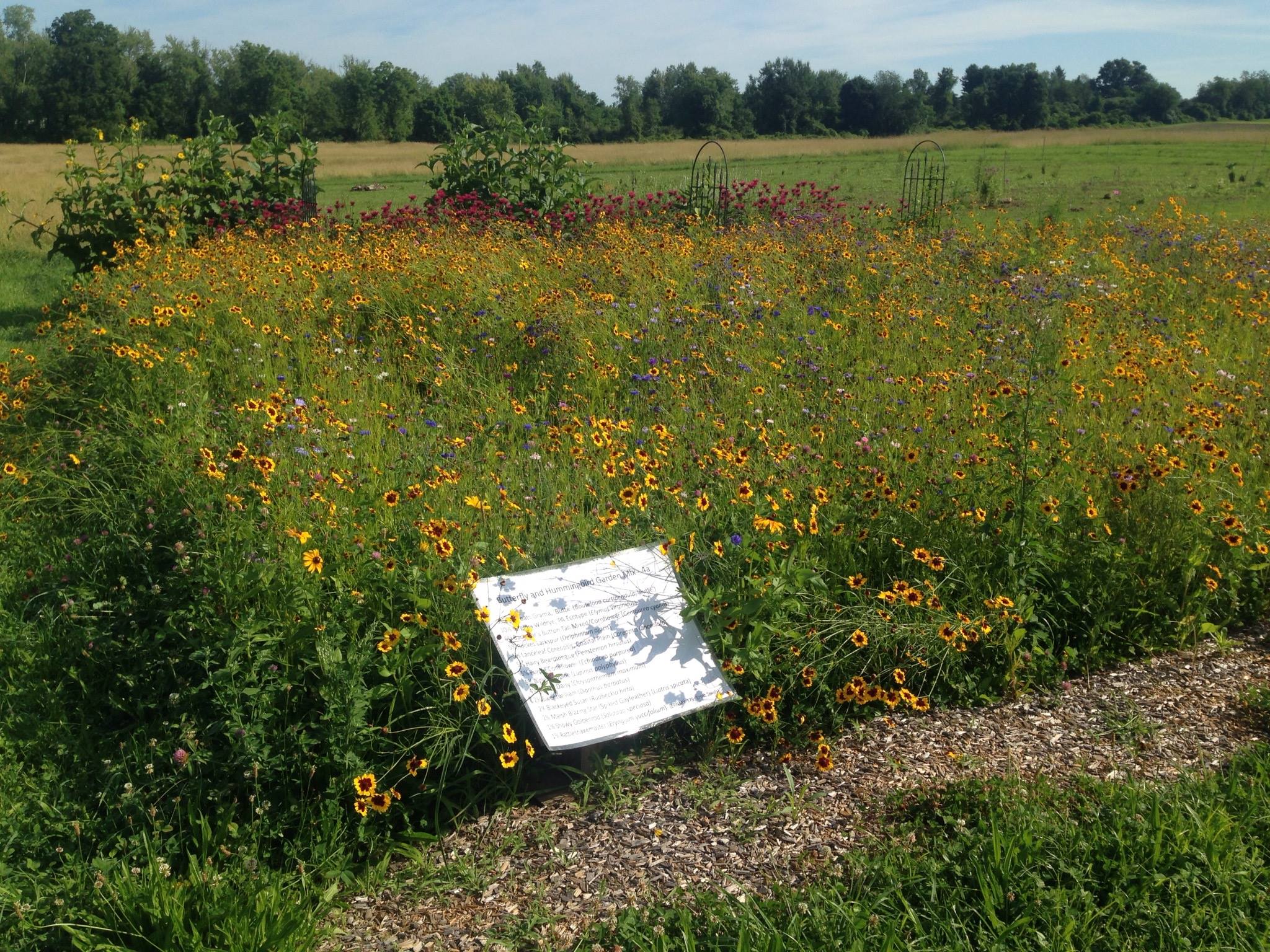
You are invited to stop by the UMass Pollinator Garden at the Agricultural Learning Center to see several beautiful plantings that provide habitat and feed for both native and honey bees. The garden was sponsored by the Massachusetts State Grange and is manged by Professor Stephen Herbert, a faculty member in the Stockbridge School of Agriculture. Among the many types of plantings on display, I think the butterfly and hummingbird hedgerow is my favorite.
The red flower is Bee Balm, also known as “patriots tea” because it was used as a tea-substitute after the American Colonists dumped British tea in Boston Harbor!
Bees and other pollinators will also be attracted to productive fruit plantings.
If you have the space, the butterfly and hummingbird seed mix makes a nice looking pasture of wildflowers.
Below is short video of Professor Herbert, welcoming you to the garden!
The garden is located behind the Wysocki House at 911 North Pleasant St. in North Amherst, MA. You may park in the Wysocki parking lot and walk back toward the field. Be sure and say hello and ask questions from the students and faculty who are often working on the site!
World’s challenges demand science changes — and fast, experts say
The world has little use — and precious little time — for detached experts.
Systems integration means taking a holistic look at all interactions between human and natural systems across the world. Credit: Michigan State University
A group of scientists — each of them experts — makes a compelling case in this week’s Science Magazine that the growing global challenges has rendered sharply segregated expertise obsolete.
Disciplinary approaches to crises like air pollution, biodiversity loss, climate change, food insecurity, and energy and water shortages, are not only ineffective, but also making many of these crises worse because of counterproductive interactions and unintended consequences, said Jianguo “Jack” Liu, lead author of the paper “Systems Integration for Global Sustainability.” He also is Rachel Carson Chair in Sustainability and director of the Center for Systems Integration and Sustainability (CSIS) at Michigan State University (MSU).
“The real world is integrated,” Liu said. “Artificially breaking down the real world into separate pieces has caused many global problems. Solving these problems requires systems integration — holistic approaches to integrate various pieces of the real world at different organizational levels, across space and over time.”
Sustainability demands new methods
The paper’s authors, themselves with experience spanning agriculture, biodiversity, climate change, ecology, economics, energy, environment, food security, trade, water, and more, in essence paint a new paradigm of research that crosses boundaries among natural and social science disciplines, as well as other disciplines such as engineering and medical sciences.
Using examples that are both far-flung and tightly intertwined, these scientists show how systems integration can tackle the complex world, from unexpected impacts of biofuels to hidden roles of virtual resources such as virtual water.
The paper’s first illustration wraps Brazil, China, the Caribbean and Saharan Africa into an example of how the world demands to be approached not just for its singular qualities, but for its lack of boundaries over time, distance or the organizational levels humankind imposes.
The rapidly growing food export to China from Brazil destroys tropical forests and changes food markets in other parts of the world, including the Caribbean and Africa. Agricultural practices in the Sahara Desert in Africa stir up dust which enters the atmosphere and floats as far as the Caribbean. That African dust has been shown to contribute to coral reef decline and increased asthma rates in the Caribbean. It also affects China and Brazil that have made heavy investment in Caribbean tourism, infrastructure, and transportation. All these interactions, and the many more that exist in one example, defy borders both on maps and in academic disciplines.
Yet conventional research and decision-making often have taken place within separate disciplines or sectors. The paper notes that one of the systems integration frameworks — human-nature nexuses — “help anticipate otherwise unforeseen consequences, evaluate tradeoffs, produce co-benefits and allow the different and often competing interests to seek a common ground.” For example, the energy-food nexus considers both the effects of energy on food production, processing, transporting, and consumption, and the effects of food production, like corn, on the generation of energy, such as ethanol.
Other systems integration frameworks also bring multiple aspects of human-nature interactions together. Natural systems provide benefits like clean water and food to people, but human activities often inflict harm on natural systems. Considering a variety of benefits and costs simultaneously can help evaluate trade-offs and synergies among them. The environmental footprints framework helps quantify resources consumed and wastes generated by people.
Telecoupling — a way to make sense of a complex world
Many studies on sustainability have focused on one place, but the world is increasingly “telecoupled” — a term which embraces socioeconomic and environmental interactions over distances, sometimes several thousand miles away. For example, the large amount of coal from Australia sold to far-away markets like Japan, the European Union and Brazil affects not only those markets, but has global impacts far beyond. The money and environmental impacts such as CO2 emissions that flow with the coal, along with the mechanisms of transporting and burning the fossil fuel, spill over to countries between the partners.
Acknowledging that everything must be integrated is critical for scientific advances and effective policies, the authors say. So is the engagement between researchers and stakeholders. For example, Liu has partnered with environmental and social scientists to show how policies in China to curb human’s role in deforestation and panda habitat degradation were strengthened by enlisting nature reserve residents to receive subsidies to monitor the forests. The innovations were spurred by careful observation of the push-and-pull dynamics of managing a system to allow both people and the environment to thrive.
The paper says that effective policies and management for global sustainability needs the human and the natural systems to be more integrated across multiple spatial and temporal and awauthors think it is essential to quantify human-nature feedbacks and spillover systems. Science has largely ignored these, but they can have profound impacts on sustainability and human well-being.
It is time to integrate all disciplines for fundamental discoveries and synergetic solutions because of increasingly connected world challenges, Liu said.
“Furthermore, the world no longer has the luxury of the past, when there were fewer people on the planet and resources were more abundant,” Liu said. This will require funding agencies and universities to make more drastic changes to alter the reward mechanisms and transform the scientific community from isolated experts to integrated scholars.”
By Kailey Burke, Sustainable Food and Farming Student
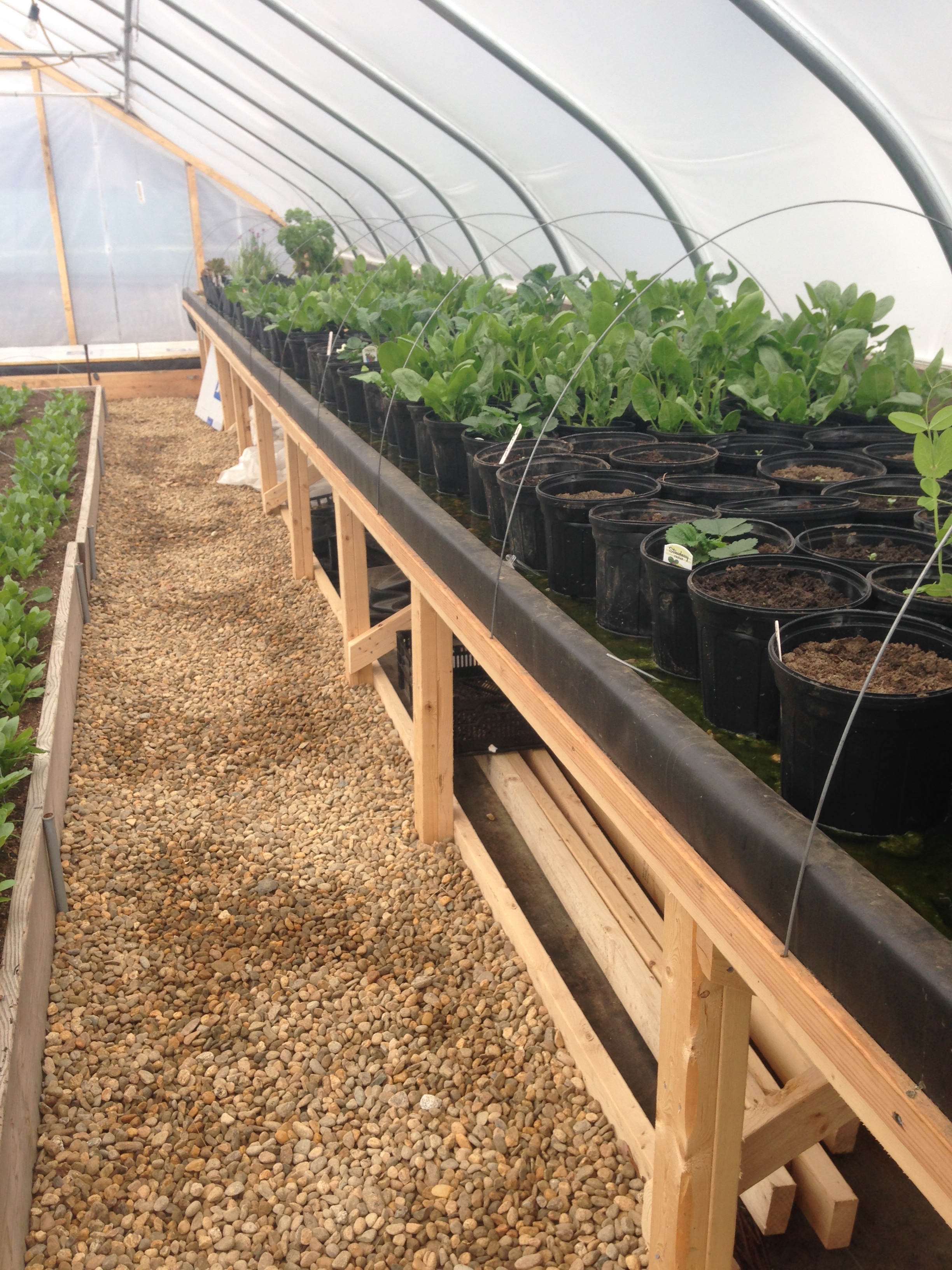
Spinach and lettuce at Pettengill in Salisbury, MA
Aquaculture + Hydroponics = Aquaponics
In this system, fish excrete ammonium (NH4+) waste which passes through media that contains bacteria, which convert
Pettengill Aquaponics System with Koi
ammonium to nitrate (NO3-, which is the most accessible form of N that plants are able to take up), plants uptake nutrient filled water, and the rest of the water then returns back to the fish, purified.
Sounds simple enough, but there are many ways to build this system, ranging from an intricate technical system to a low cost setup. One of these variables includes the growing media which provide plants with support, moisture retention, and access to nutrients. It is this variable that could play an important role in connecting traditional farmers to a progressive growing system.
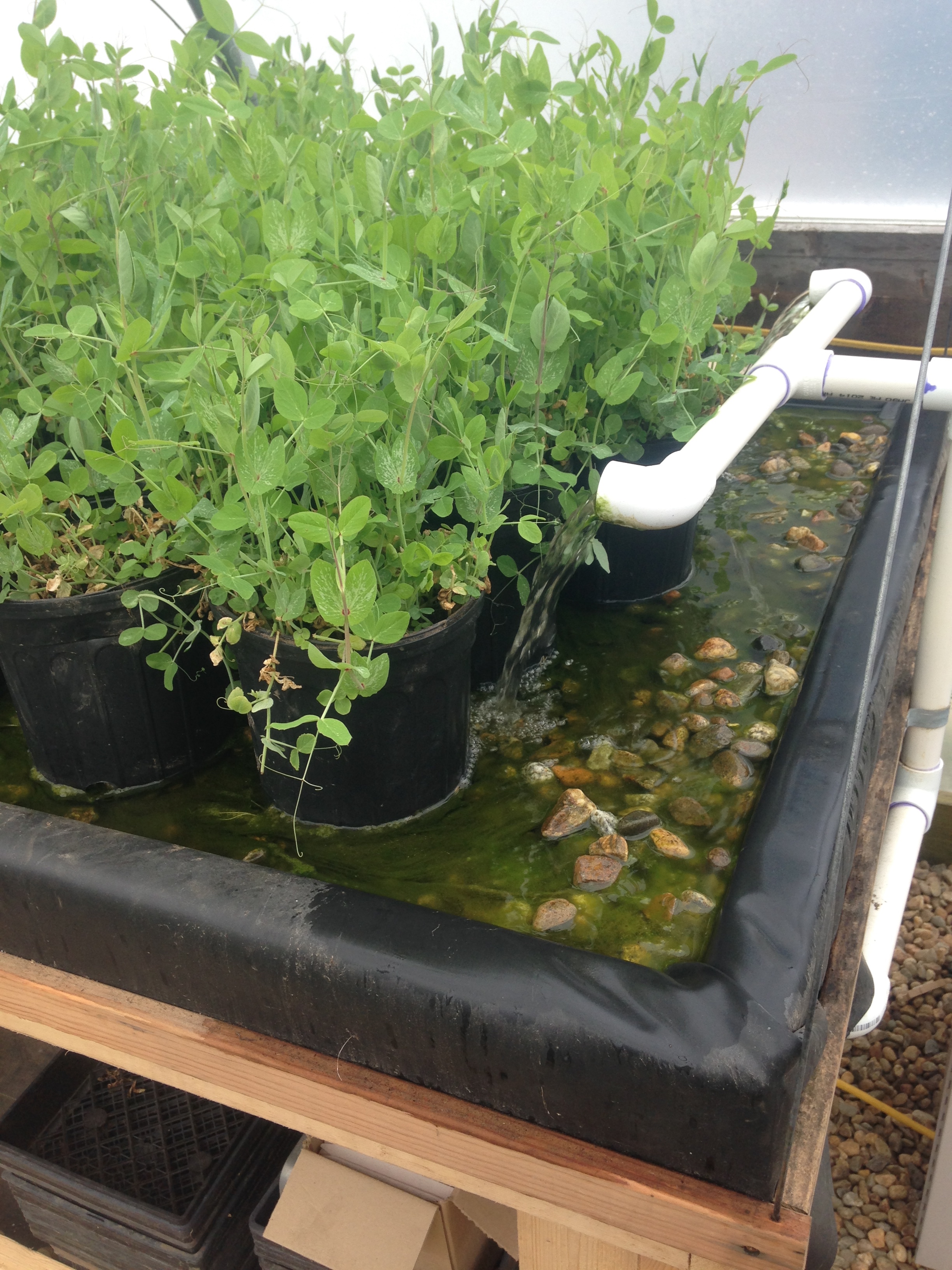
Peas growing in 5 inch pots on a growing table
The growing media is responsible for housing bacteria and purification, could either be soil or a soil-less material. Though soil is the standard growing medium in most other production streams soil-less substrates can also supply plants with the essential elements through materials such as clay pellets, fiber mats, or bare root systems. Though there have been countless trials showing benefits of soil-less materials in an aquaponics system, and there are certainly systems in which soil-less substrates are the appropriate material to use, there is something accessible and fundamental about using soil… maybe it’s that plants have been evolving for 425 million years to be growing in soil? And, we are only beginning to understand and value the billions of relationships that are interconnected between soil biota, nutrients, and plant ecology.
While it is true that not all fish are able to withstand the water quality fluctuations that soil systems can carry with them, there are a large variety of fish that are able to thrive in these systems – such as tilapia, koi, and catfish. The images below, from Pettengill Farm in Salisbury, MA and Growing Power in Milwaukee, MI show a low-tech, low-cost aquaponics system that uses soil and common greenhouse pots and flats.
Will Allen at Growing Power in Milwaukee, WI with 7000 Lake Perch
In this system tilapia are contained in a tank made of wood and pond lining that sits 4 feet into the ground. This water is then pumped from the fish tank to two 30 foot long growing tables that are pitched at a mere 2 inches. The tables are wood lined with pond liners and have rocks on the tabletops to allow the soil filled pots or trays to sit a bit higher out of the water. The water flows down the table through the rocks, pots, and roots back into the fish tank.
So, why highlight soil as a viable aquaponics media? Well, using soil as a growing medium not only plays an important biological role, but it also plays a cultural role in integrating the idea of an aquaponics systems into appropriate modern day small farms. Using a soil based system, farmers are able to easily integrate and take advantage of the many functions that aquaponics can play, such as; providing thermal mass and temperature stabilization in a greenhouse, water conservation, reduced reliance on outside fertilization, and educational attraction. In conclusion, soil is a language that farmers and gardeners speak, and having this material as the basis for plant growth bridges a gap between the variations of production in an aquaponics system to that of traditional methods.
Nasturtium in the Growing Power greenhouseNutrient solution leaving the aquaponics table returning to fish tank below
We’ve had a busy few weeks seeding broccoli, eggplant, peppers and tomatoes. We’ve been selling transplants at the Amherst Winter Farmers Market and the UMass Farmers Market on Goodell lawn and in the Commonwealth Honors College Events Hall Friday afternoons along with some other great student vendors including the UMass Permaculture Initiative and Gardenshare.
Last week we got out in the field at the Agricultural Learning Center to take soil samples and assess our cover crop stand. The soil was sent to the West Experiment Station for testing. In South Deerfield , where we plan to do most of our summer production, we are plowing and preparing beds and transplanting onions. Seed potato spuds are cut into sections each containing one budding “eye” of growth and laid out to dry for a few days before planting.
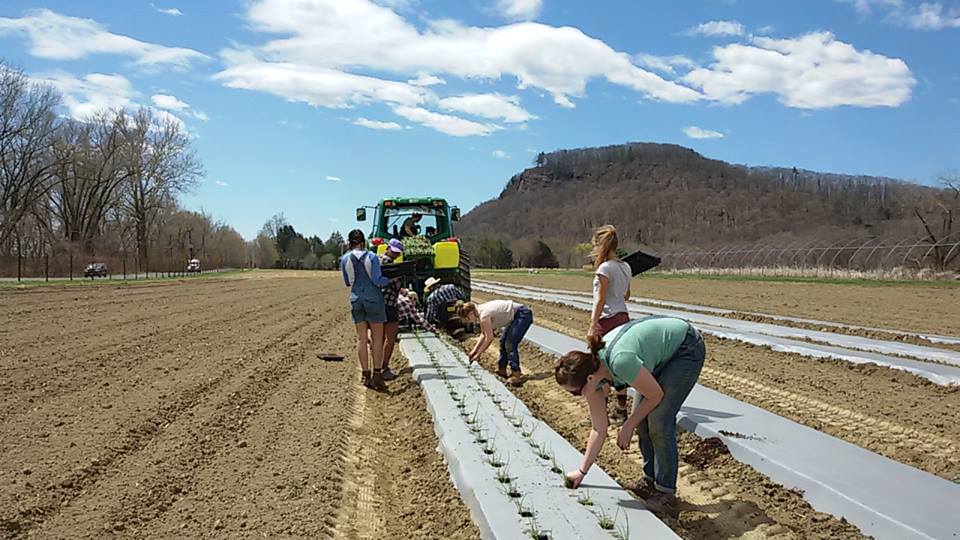
The season has been slow to start because of melting snow and cold nights but now the soil is drying out and the days are getting warmer there’s so much to do! Everyone got a chance to drive the tractor at South Deerfield as we prepare beds for direct seeding and transplanting.
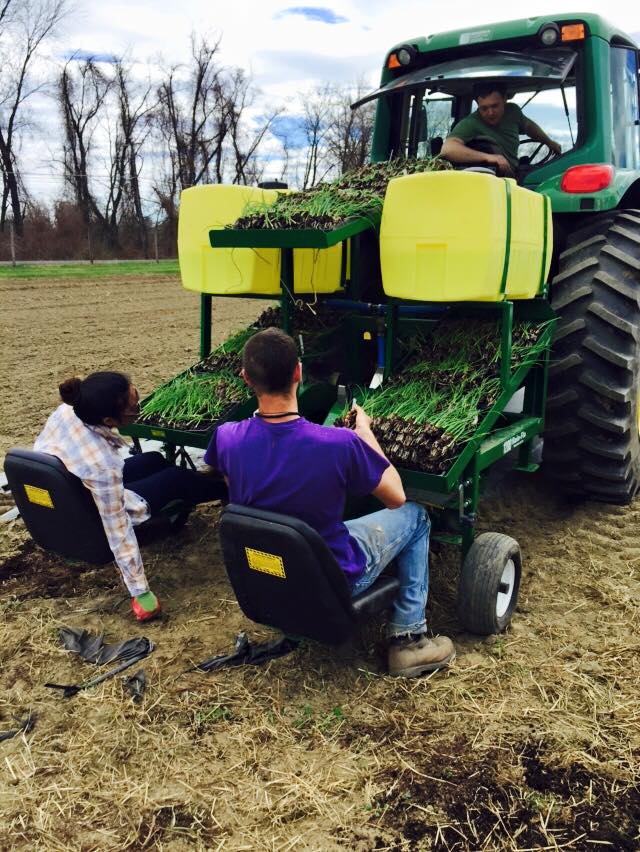
Last Wednesday we attached the transplanter to the tractor and loaded up our 128 cell trays. Two people sit on the back of the attachment and drop onions into the holes as the transplanter opens them. Others follow behind tucking the plants in. The tractor also holds 100 gallons of water to use as we go, just enough to help the plants get well established.
Though it’s a slow process we managed to finish four five hundred foot long rows! We estimated that we planted at least 10,000 onions. We can’t wait to give these to our CSA members, make them available to the UMass community through Dining Services and the Student Farmers Market and to the greater community through Big Y.
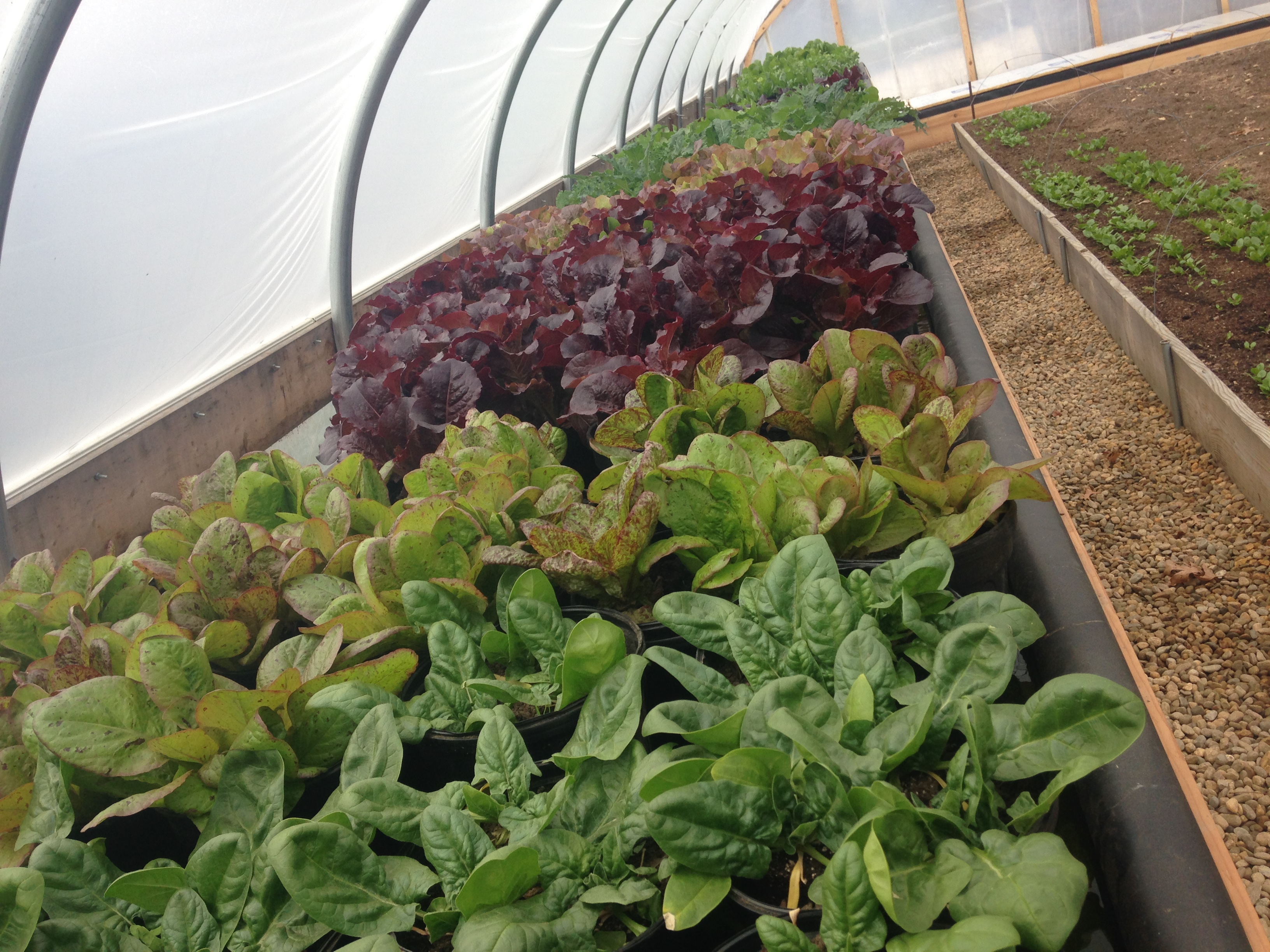
We’ve also been offered the opportunity to expand to Big Y in Greenfield in addition to their Amherst and Northampton stores. We’re expanding our summer production this year with a bigger crew, more land, and hopefully we will be growing a lot more food than ever! The hoop house at the ALC will allow us to grow hardy crops like spinach later into the winter months.
Other highlights were our field trips to the Plant Diagnostics Lab and the Big Y Produce Warehouse and Headquarters in Springfield. This year we will be planting a pick your own plot for the first time! CSA members will be able to come to the farm and harvest their own herbs, pumpkins and other vegetables during the Fall.
Another exciting development is the implementation of certified organic chickens on our fields at the Ag Learning Center (ALC) on North Pleasant St. A lot of planning has gone into our water management plan for the ALC. We’ve also been working on developing SOPs (standard operating procedures) to bring the student farm into line with Good Agricultural Practices and establish a comprehensive food safety plan.
There’s a lot to look forward to in the coming months, CSA shares are still available and we will be holding volunteer opportunities and potlucks! To stay connected please join our Facebook Group!
If you want to support our project, please buy a CSA share!
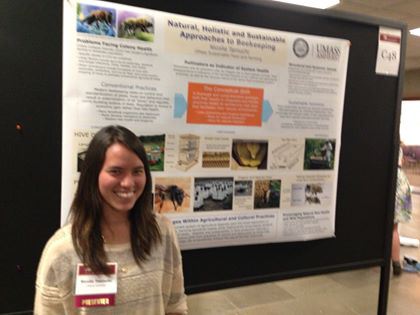
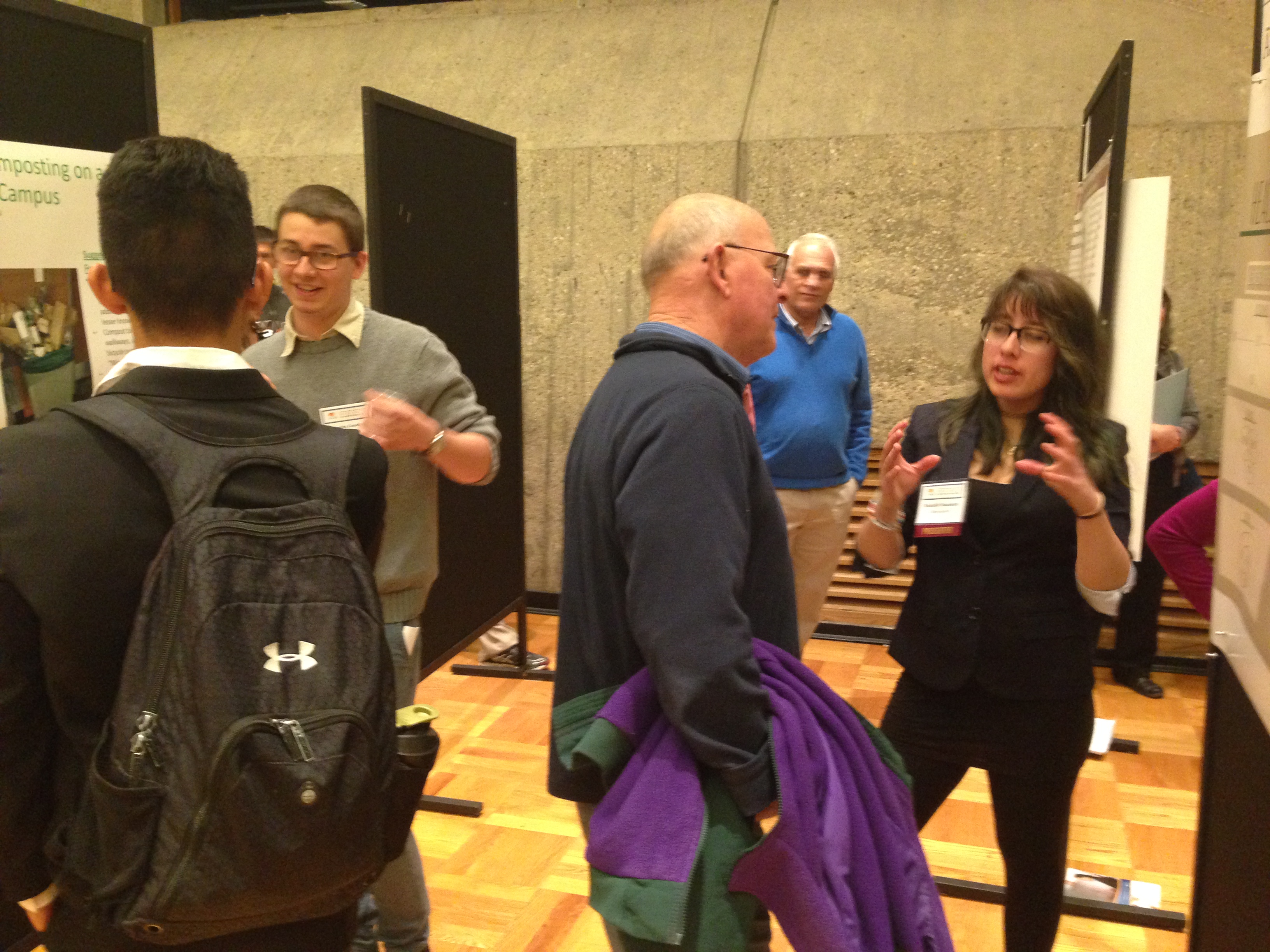
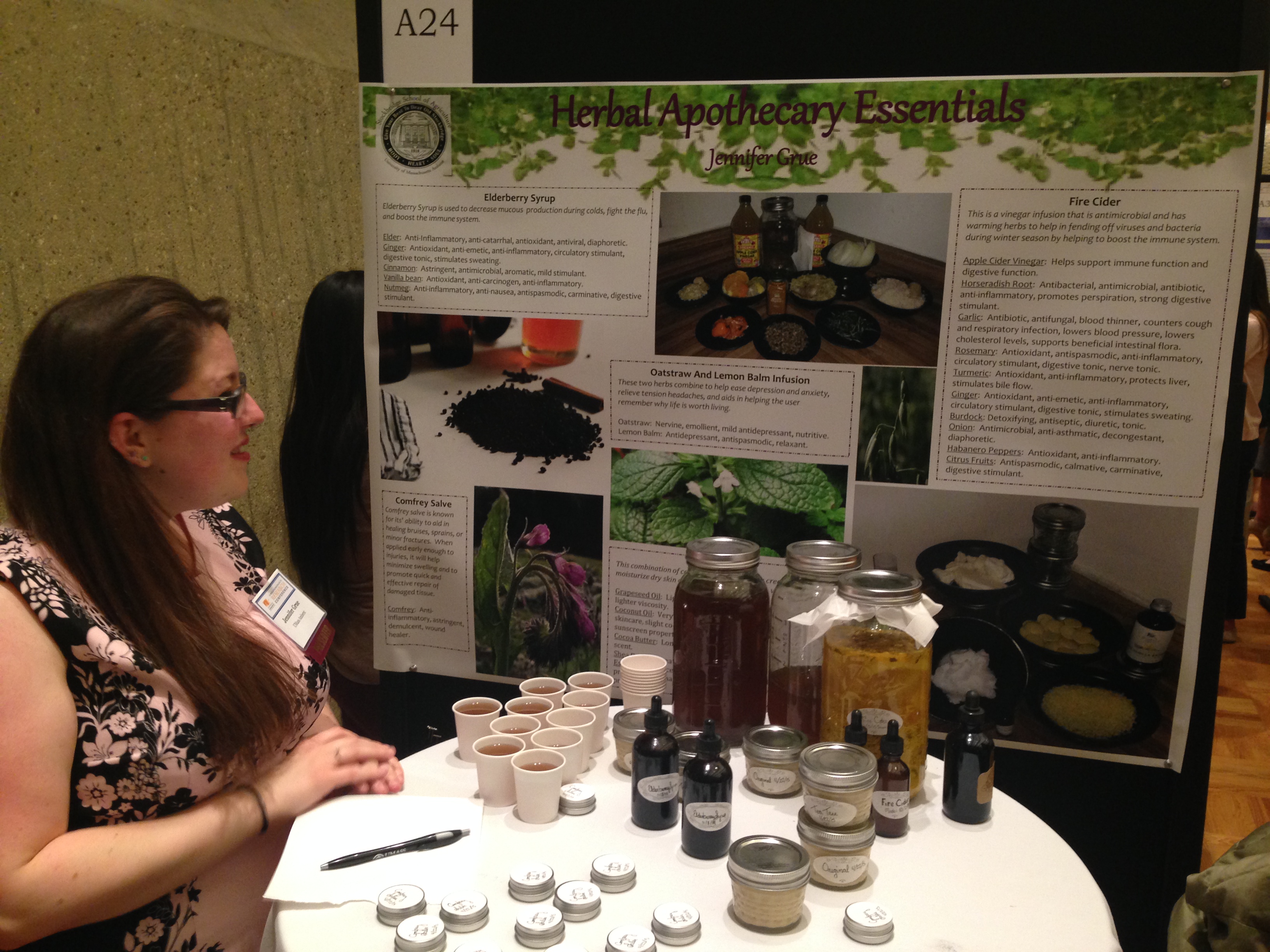
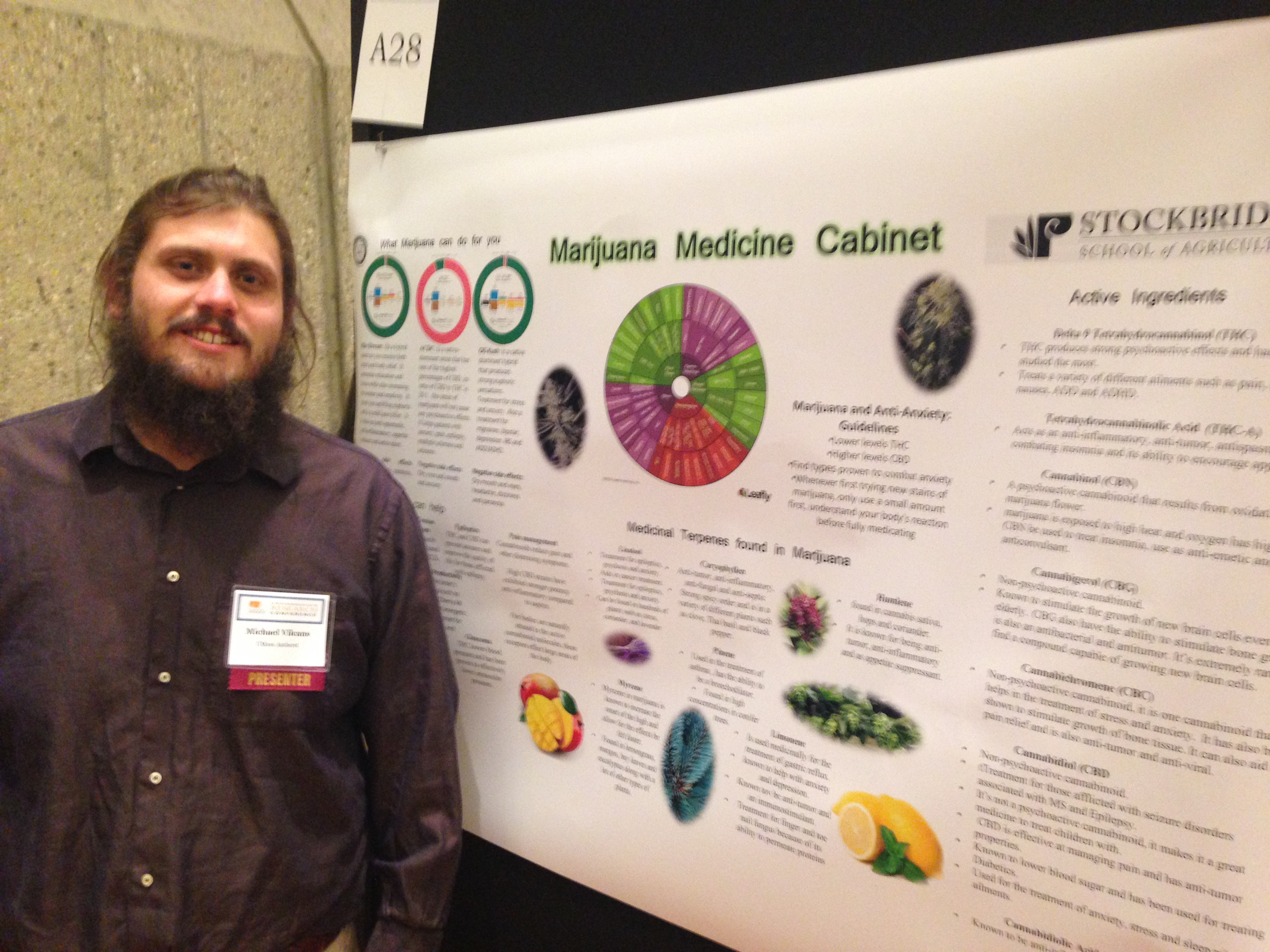
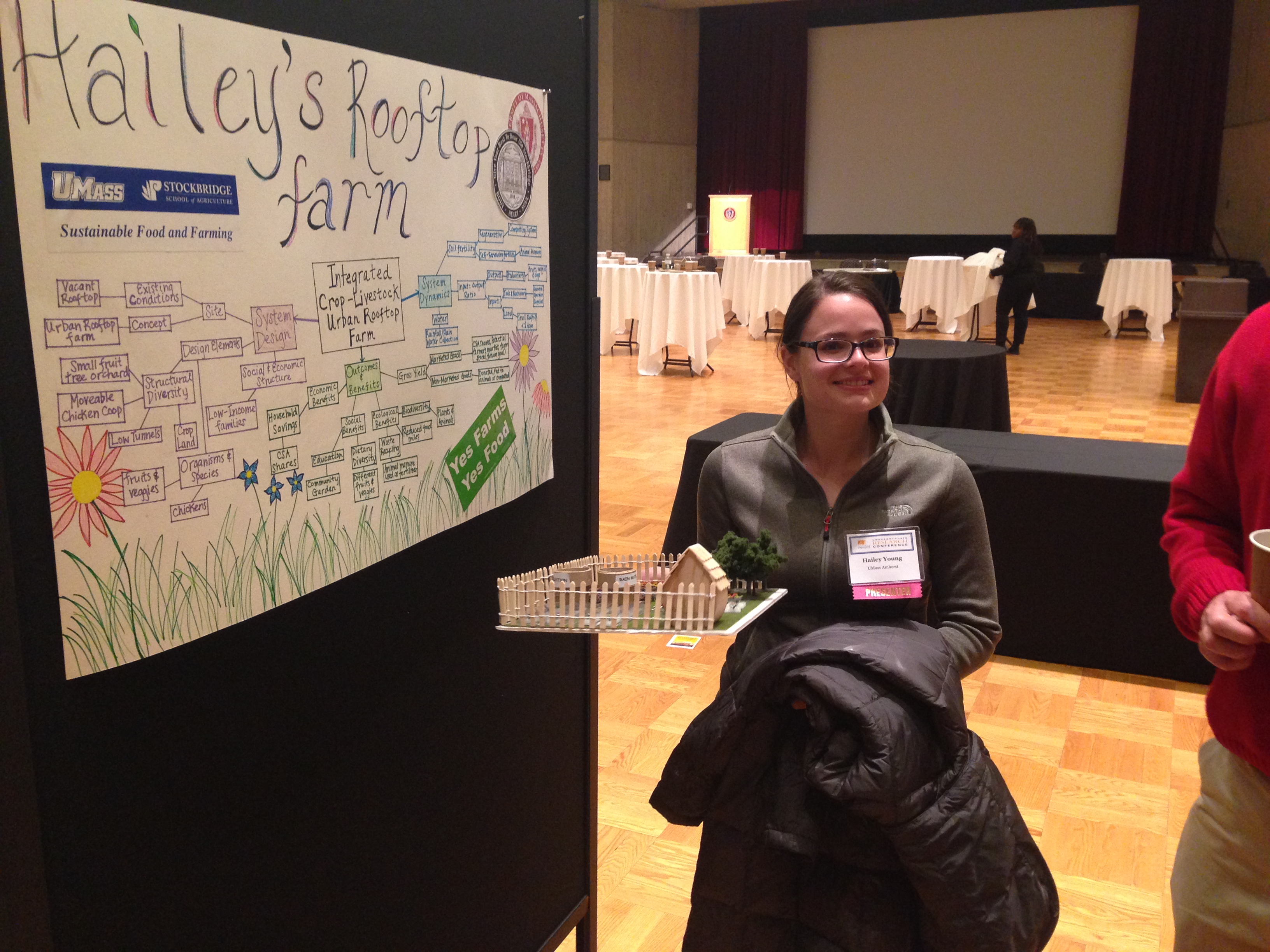
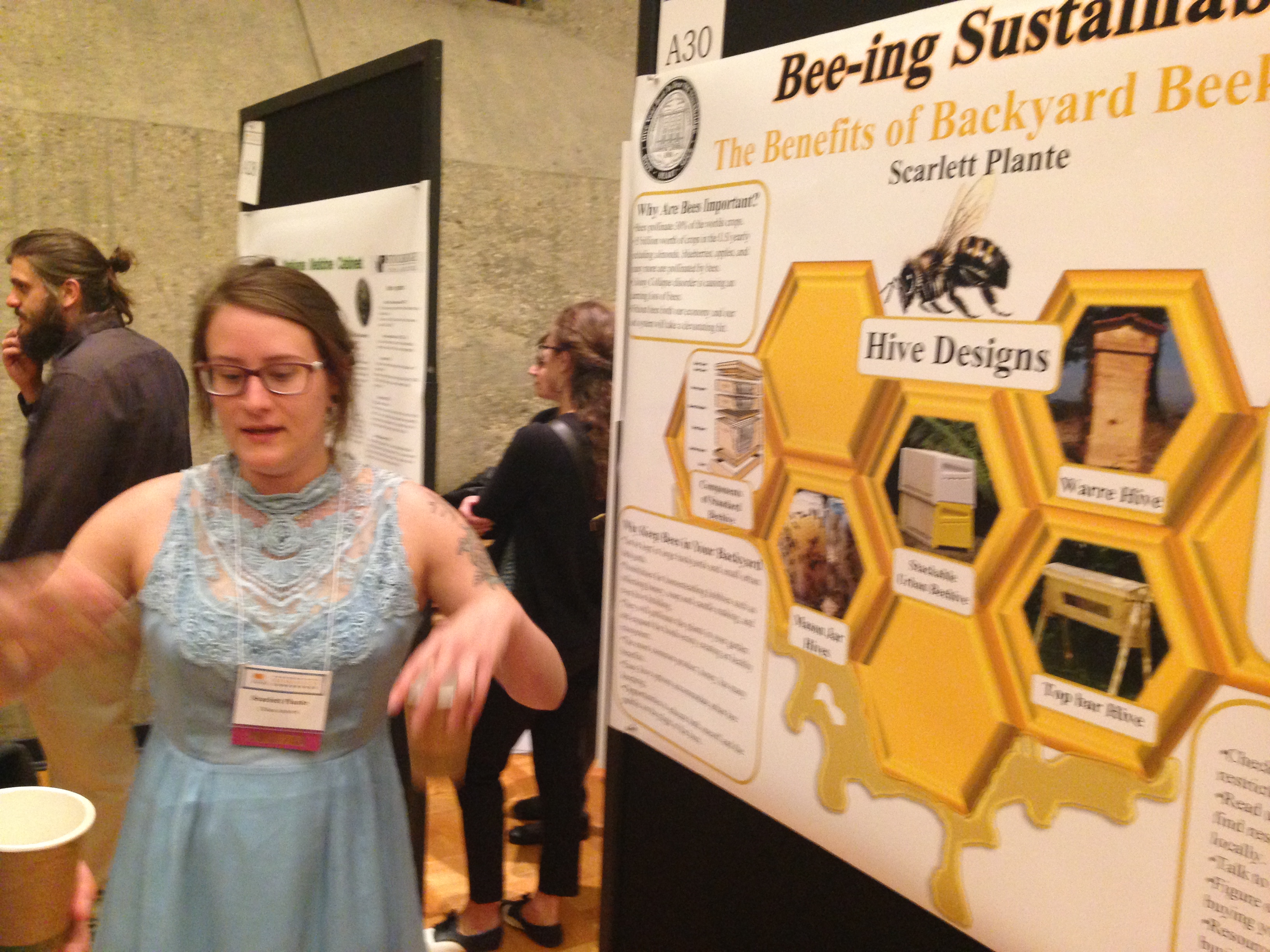
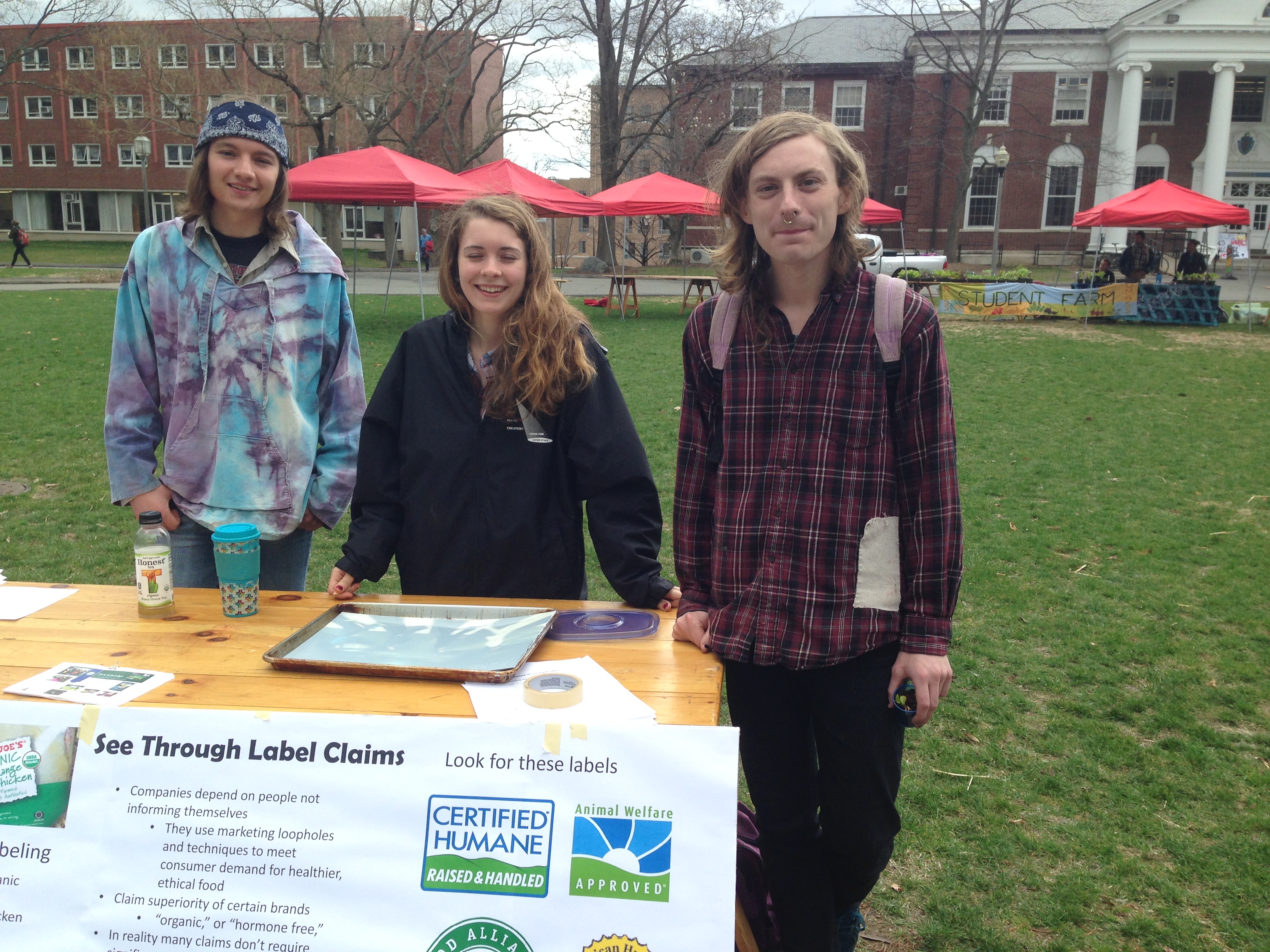
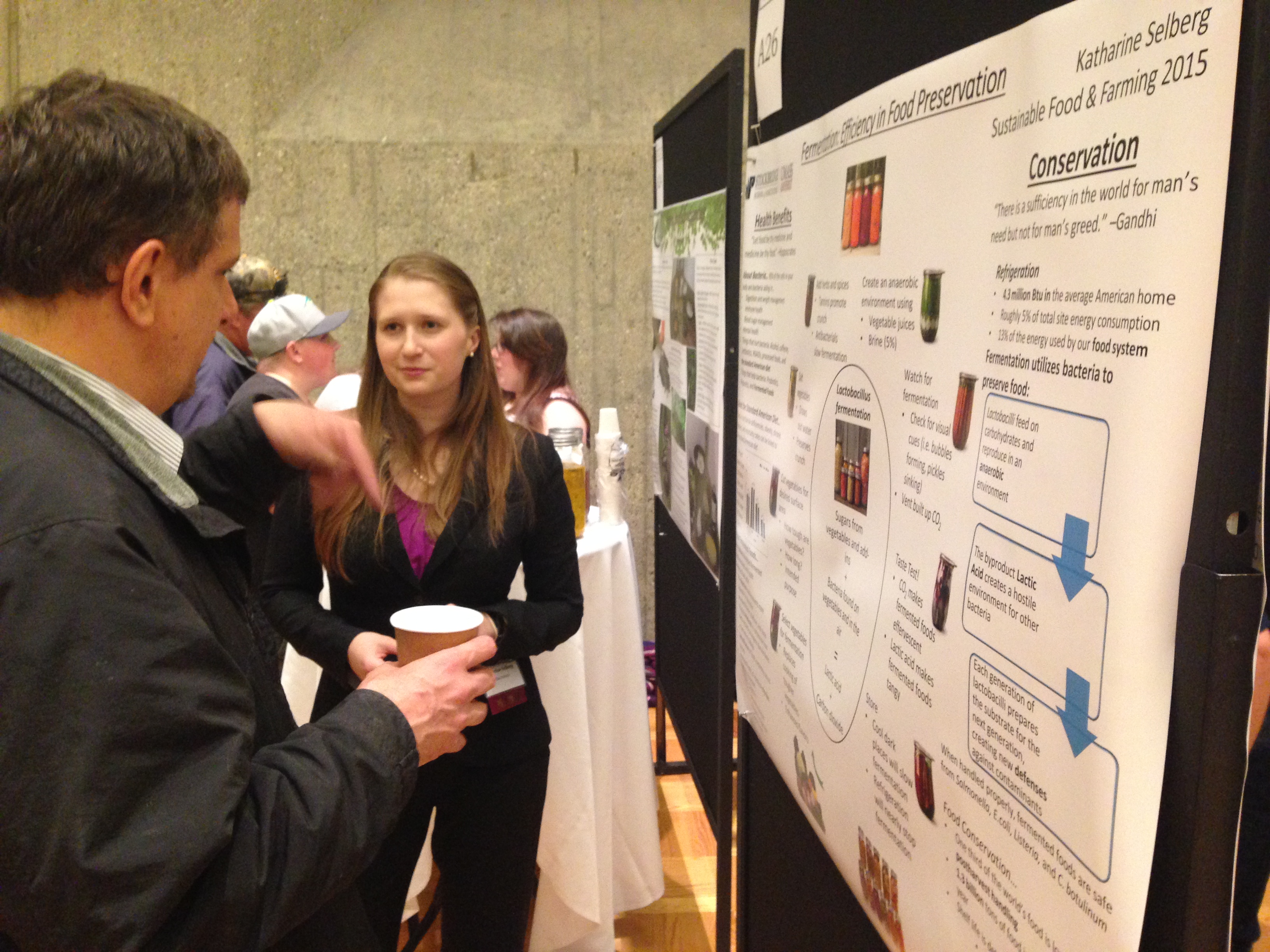
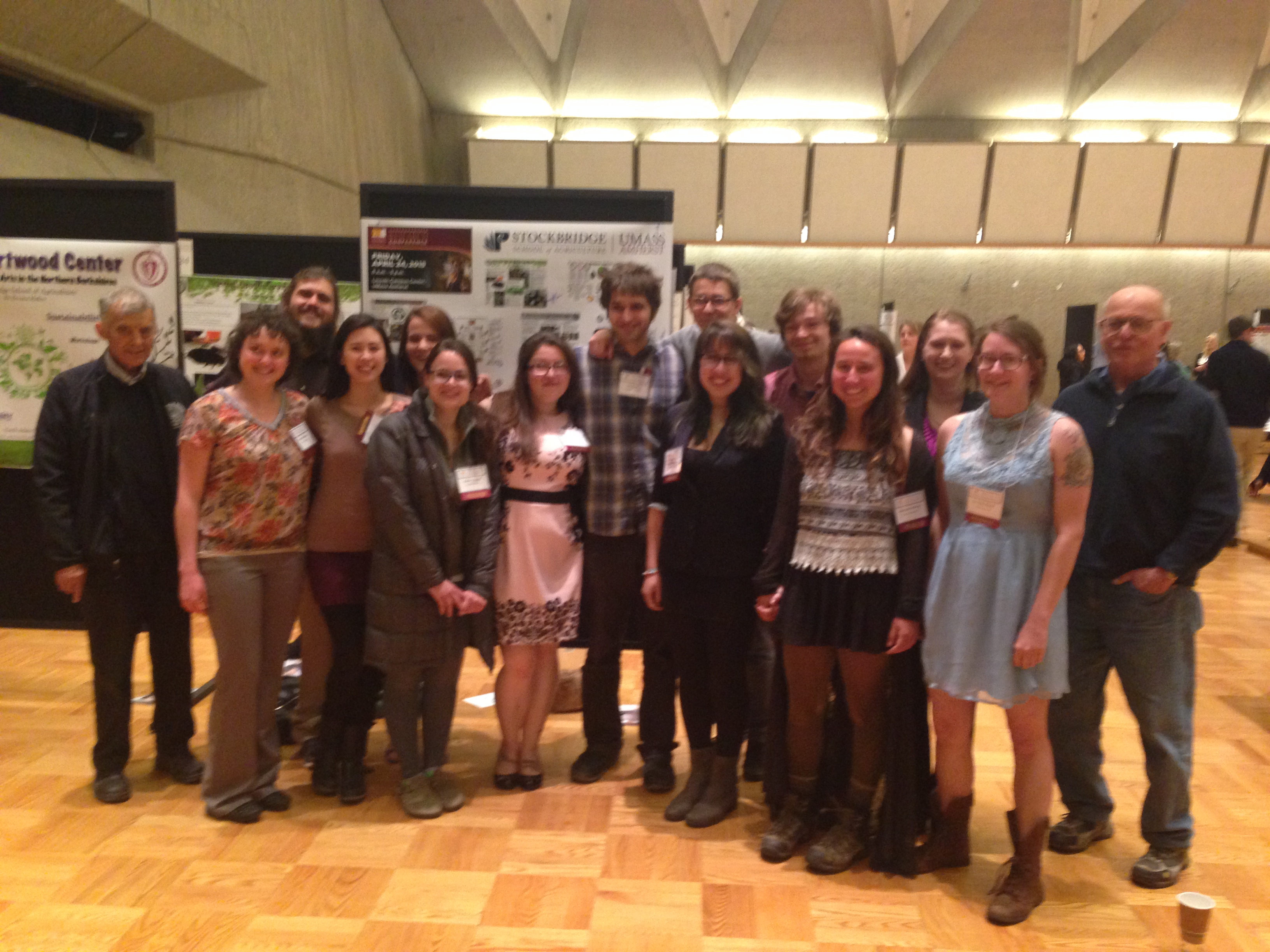
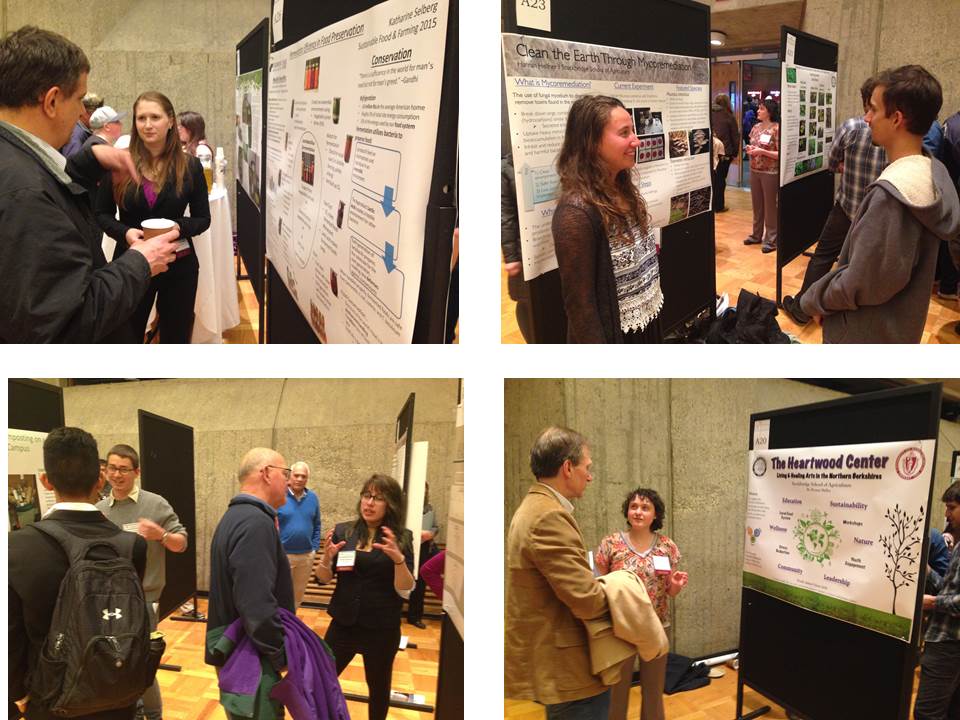
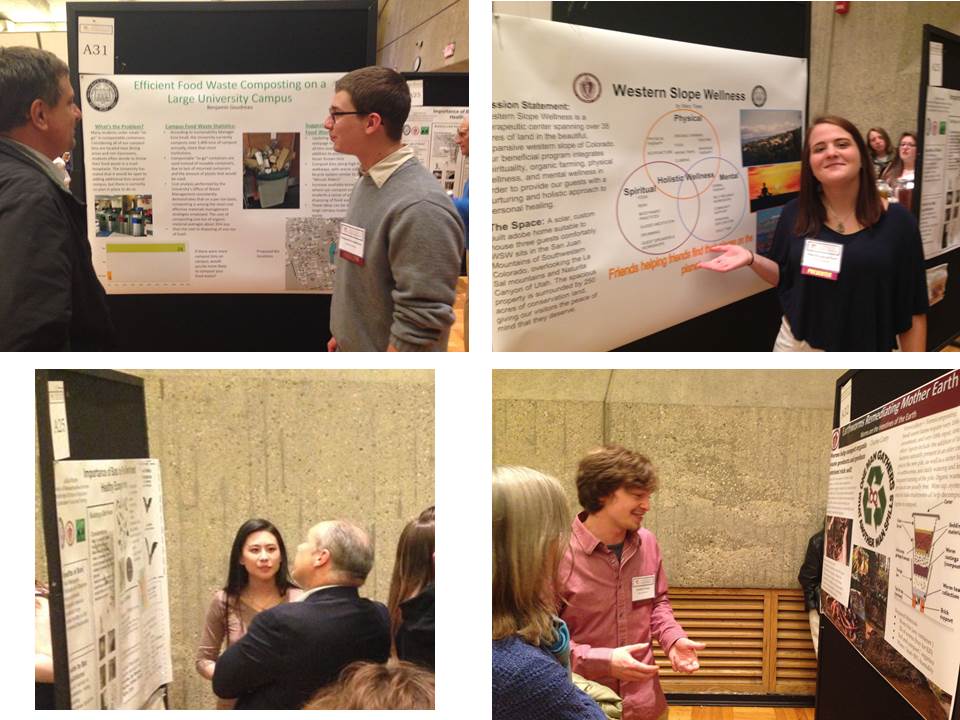
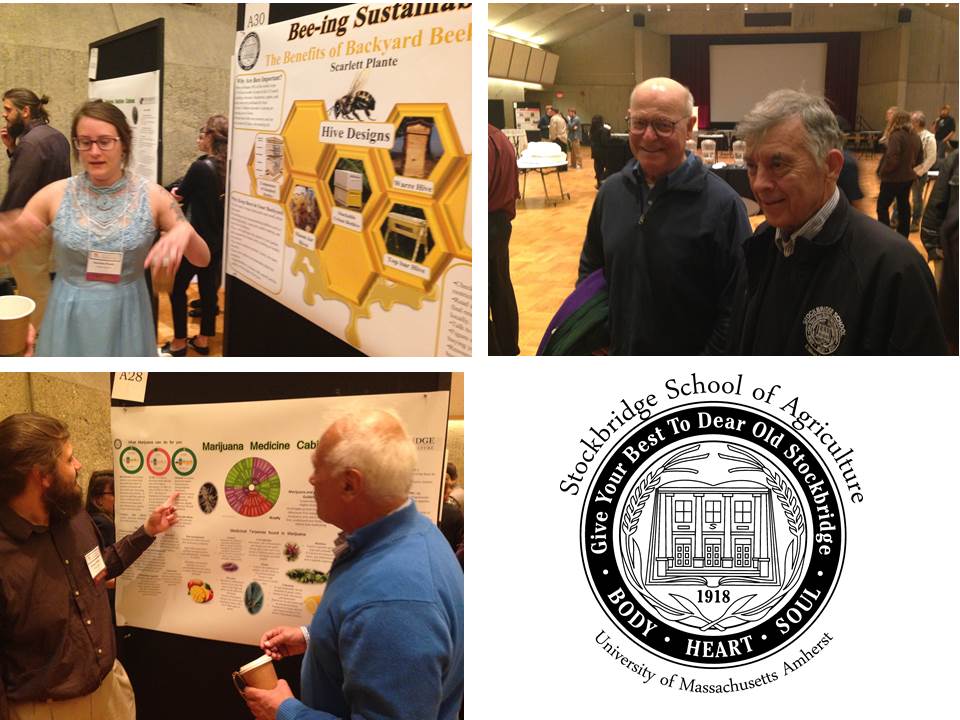
Thanks to the Sustainable Food and Farming seniors who presented at the conference and the faculty who joined us for the event. Here are a few pictures. To see the abstracts, go to CONFERENCE.
In a special arrangement with the Stockbridge School of Agriculture, The Farm School in Athol, Massachusetts, is offering students the opportunity to attend its year–long Learn to Farm training program while receiving college credit.
Now in its 13th year, the Learn to Farm program is a licensed, full time, 5 day/week, live-in, tuition-based training program that packs a tremendous amount of experience into a year and turns out graduates who go on to farm successfully.
Forestry, animal husbandry, carpentry, mechanics, business planning, marketing and organic vegetable production are among the practical skills that are introduced and then practiced over all four seasons in the context of a commercial operation that includes a working forest, a 200 member vegetable CSA and a 50 member meat CSA.
————————————————————————————-
Under this special arrangement, The Farm School will provide scholarship assistance so that each accepted student will pay no more than what he or she currently pays for tuition + room + board at UMass while receiving 12 credits for each of the Fall 2015 and Spring 2016 semesters from UMass. If you are interested, first check with John Gerber to make sure you can fulfill the minimum requirements for the Sustainable Food and Farming major with this plan. You must continue to be enrolled in UMass to take advantage of this opportunity.
Credits may be earned as:
Fall Semester
STOCKSCH 498 E – Student Farming Enterprise (6 credits)
STOCKSCH 396 – Independent Study (6 credits)
Spring Semester
STOCKSCH 398 E – Student Farming Enterprise (6 credits)
STOCKSCH 496 – Independent Study (6 credits)
Amanda Brown will supervise the Student Farming Enterprise class and John Gerber will supervise the Independent Study.
——————————————————————————
Please visit The Farm School for a detailed program description and stories from some of its over 100 graduates. And feel free to contact Patrick Connors at The Farm School with questions about the program.
If interested, you must apply directly to The Farm School online. You will remain enrolled as a full time UMass student during the fall and spring semesters but your classes will all be part of your Farm School experience. Please note that you should list at least one UMass faculty member or instructor as a reference. Rolling admissions will be capped at 5 accepted students.
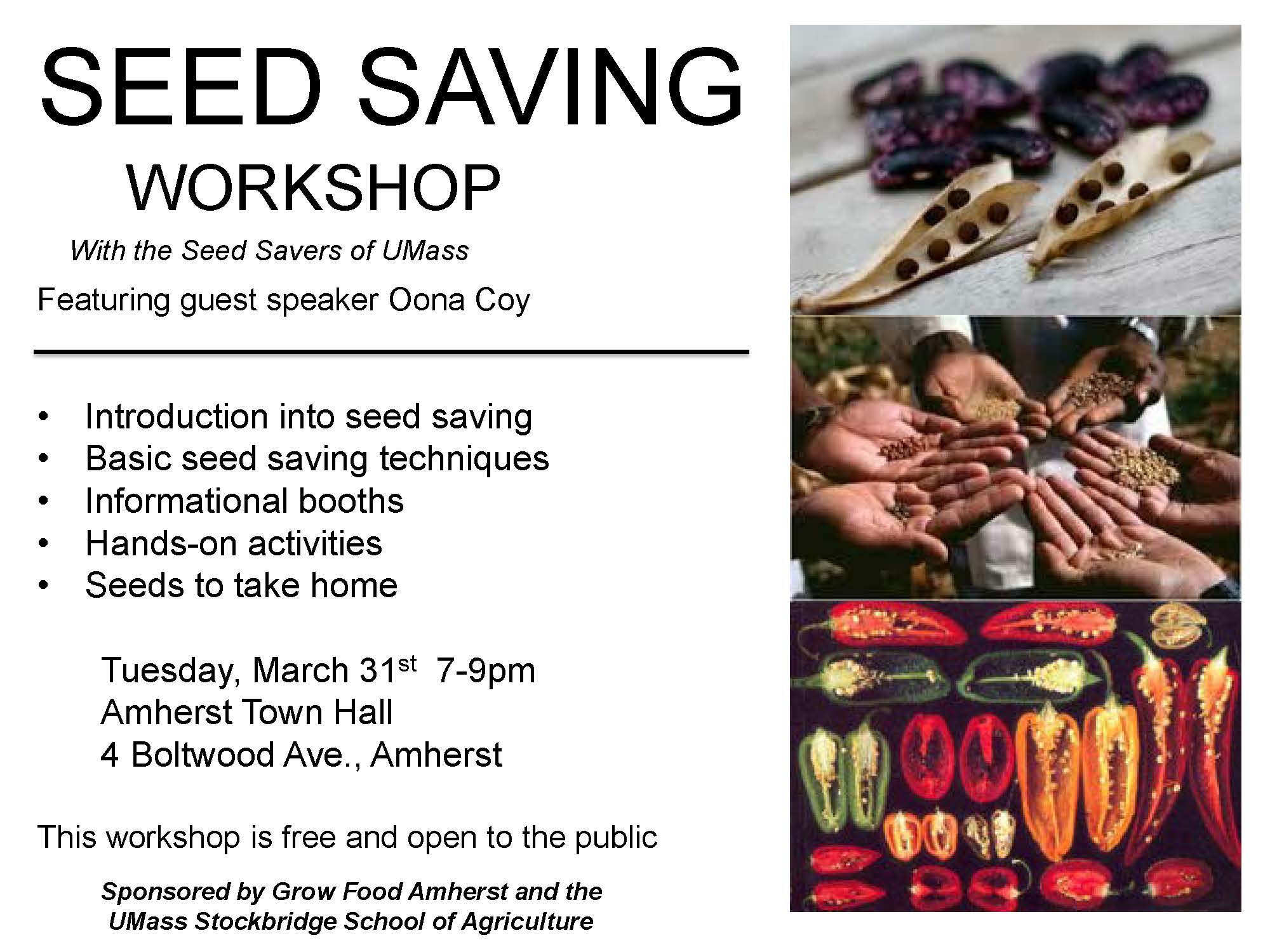
On the first day of my junior year writing class for Sustainable Food and Farming majors at UMass, we were presented with the choice to work on a project either partnering with the League of Women Voters on a Sustainable Agriculture Expo or with Grow Food Amherst on a Seed Saving Workshop. Going into the class with basically zero familiarity on saving seeds, I decided to join that group in hopes to expand my knowledge. What I did not expect was that working on this project resulted in a meaningful experience for me, helping to develop my skills as a team-member, organizer, and also as a seed saver.
The 11 students in our group began our project by meeting with Phyllis Keenan, an Amherst community member and an experienced seed saver. We decided to organize a free workshop for community members at Amherst Town Hall about basic seed saving. Choosing March 31st as the date for the event gave us plenty of time to prepare our research and make arrangements for the event to be a success. Because many of us began this project with little to no knowledge of the subject, we spent time in the first few weeks of the semester researching and compiling information on what is seed saving, how to do it, and other topics associated with saving seeds.
Emilee Herrick and Emily Goonan preparing research in class
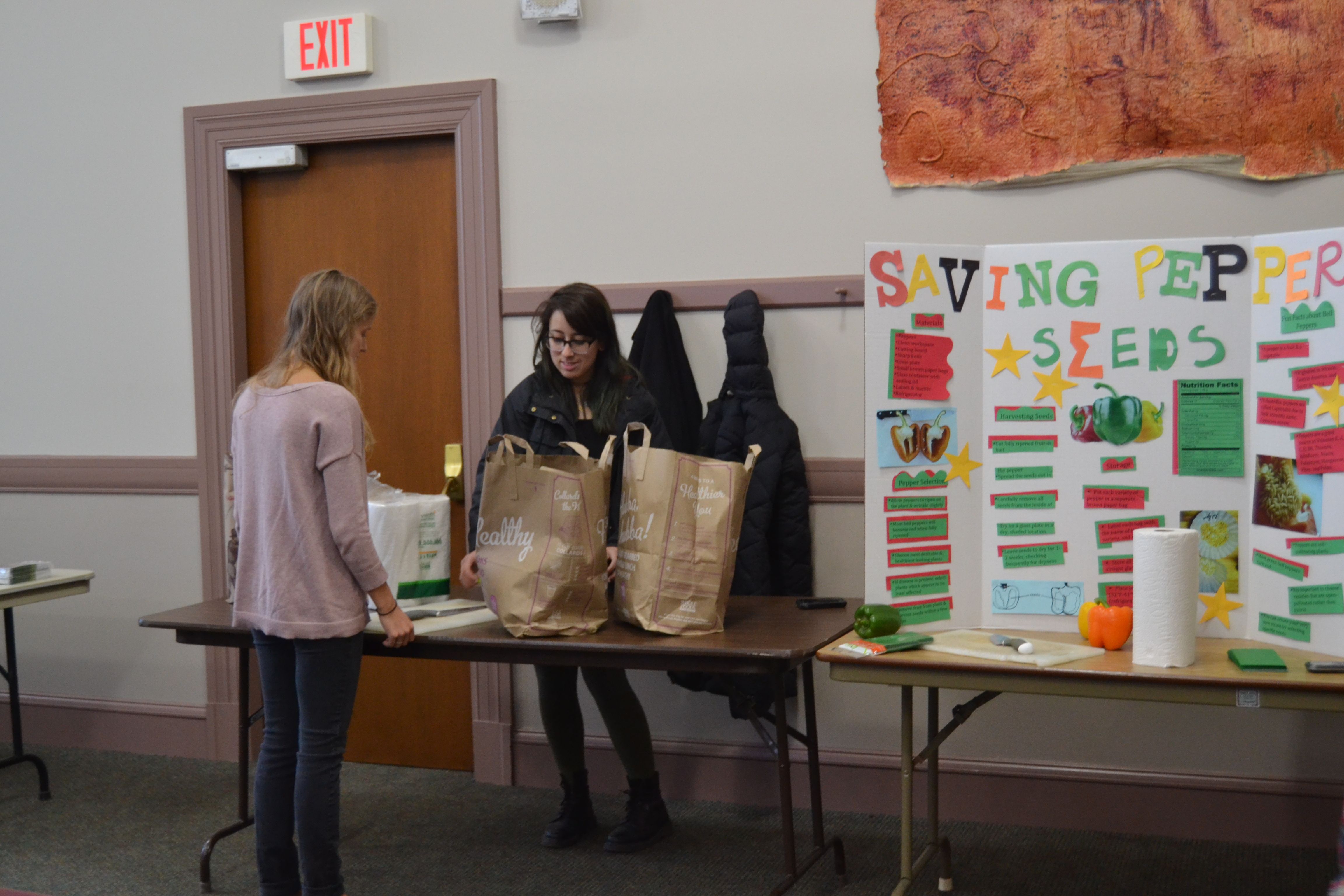
As we progressed further along in the semester, we continued to meet with Phyllis and began choosing specific topics for each individual to concentrate on and present at the workshop. I was assigned to the topic of saving pepper seeds with my classmate Joe Cecchi. We also spent a good amount of time on conceptualizing the actual structure of the event, which I found to be the most difficult part of the whole process. Because each member of our team had different ideas of what the event would be, we worked to negotiate and decide on a vision that was agreed on my all members.
In order to attract attendees and enrich the workshop, we decided to feature Oona Coy, an experience seed saver as our guest speaker. Additionally, I was responsible for making the arrangement to reserve the room at town hall for our event from 7-9 pm on March 31st. To do this, I contacted Stephanie Ciccarello, the sustainability coordinator at the town hall, who was very helpful in securing the room for us and arranging other logistics such as table and chair setup and projector use.
Now that we created a framework and plan for our event, we concentrated on advertising the workshop to the Amherst community. As another homework assignment for our class, we all created press releases for our event. Because of this, we were able to select the best one and send it out to a variety of different media sources. Emilee, another member of the group, created a flyer that was printed and hung up on campus and in town. Other ways of advertising our event were through emails and word-of-mouth.
As the event drew closer, we began to organize specific details such as props and posters. Meeting every week in class was a useful way for us all to check in and help someone if they were having difficulties with their research, poster, or handouts. Before we knew it, the day of the workshop was upon us and we all arrived at town hall a bit early to help set up.
Setting up in Town Hall
Not knowing exactly what to expect going into the seed saving workshop, I was very pleasantly surprised. We had a great turnout- basically every chair set up was filled with community members and students. Oona presented an informational and engaging talk on seed saving background and basic skills. Afterwards, attendees were invited to walk around to the different stations set up all over the room. Each station had a different topic from tomatoes to storage to a kid’s table. There were many materials to be taken home such as seeds, pamphlets, and catalogues. Also, each member signed a contact list that will be compiled into Grow Food Amherst’s database so the connections and community built at this event will continue. The event only lasted for 1.5 hours but it felt like much longer. So much information was exchanged, questions were answered, connections were made, and smiles were brightened.
Oona Coy presenting a talk on seed saving
Being at this event was exciting for me for two main reasons. First, after working all semester on this project and experiencing all the effort that was put into making the event a success, it felt great to have such a positive turnout and response from the public. While standing at my booth, I was able to engage in conversations with people I normally wouldn’t and spread information that is useful and people seemed to really want to know. Second, it seemed like everyone there was having a nice time and many people expressed gratitude to us for putting on this event for the community. Often times school work does not go beyond the classroom but by engaging in this project I was able to connect my studies with a greater community and share my passions with others, for which I am very grateful to have this experience.
Friends having fun at the workshop
After the event was over, we all packed up, said goodbye, and went home. Although almost a week has gone by since the workshop, the positive feelings I am writing about still resonate with me. I know that the skills I gained from this experience will help me work in groups to organize events in the future, and also to save many many seeds!
In the Pioneer Valley, one can hardly travel a few miles without a farm sighting. Large dairy farms, small-scale organic production, lush displays of permaculture; this area grows amazing food. But though it may seem that the Valley has enough farmers as it is, Marcin Butkiewicz is settling farm land in an entirely unique way. Butkiewicz currently is working in Rwanda as a data systems analyst for Gardens For Health, a non-profit that partners with local health centers to aid malnourished children by teaching agricultural skills and nutritional knowledge to mothers and providing them with resources to improve their home gardens. It is easy to see his passion for food, farming, and the healing impact they can have on people.
On a sunny afternoon at the Montague Book Mill, Marcin and I met for a cup of coffee to talk about his project, Operation Harvest and Heal. Equal parts fully sustainable farm, non-profit CSA system, and therapeutic haven for returning veterans, it is easy to tell that the vision of Operation Harvest and Heal is the work of a man gifted with the ability to understand the ripple effects that positive change can have on a whole system. Perhaps this is because Butkiewicz has also seen the antithesis of this; the negative spiral of veterans returning from war. “[About] 75% of the homeless population in Boston is veterans. [A recent study] stated that 1.4 million veterans need to rely on food stamps to feed their children, which is ridiculous.” Marcin’s status as a veteran gives him unique insight into the struggles that men and women face upon returning from active duty, specifically the immense challenge of obtaining whole, healthy food when money is tight. “In Cambridge, [a CSA share] is anywhere from $700-1,000… This past summer I spoke at an event raising money for veterans to buy CSA shares. We started having conversations while we were raising that money for the CSAs [about the absurdity] of paying for commercial products when the structure behind them isn’t viable.” Conversations like these led Butkiewicz to create the Harvest portion of the Operation.
Harvest and Heal really go hand in hand for Butkiweicz, who found mental and emotional recovery in farming. “When I first got back I had a lot of trouble transitioning, like most veterans do, which is why most of them are not successful. The thing that helped me the most was gardening. I went out and just started growing and it was actually the most therapeutic thing that I’ve ever done… Emotionally, I was on a cocktail of medicines to ease anxiety when I first got back… Having something that I produced … that was self-sustaining and that I could take pride in, that I’d created- [and] it could sustain me too, if I wanted it to. It was an incredible revelation that woke me up in a sense.” Operation Harvest and Heal’s model will allow veterans and their families to take their recovery into their own hands, literally. Under Marcin’s leadership, veterans will be able to participate in the cultivation of a full array of vegetables and grains and many other tasks involved with growing food and materials to live off of. Says Butkiewicz, “Not only will they learn the skills, but they’ll have a trade, it’ll be official, they can get a job, they can get some therapy, they can grow their own food for their own family. [Then it can become] a group of people who are doing the work, so the size of the farm can grow more. I don’t care if I make a dime off of it. The idea also is to grow the local infrastructure and the local resources.”
Butkiewicz’s unique ability to communicate how his vision will benefit the local community is what makes local non-profits ultimately succeed. He seems to always be thinking four steps ahead, taking into consideration the community’s needs and wants and where it can improve. “A lot of people are disconnected from local food. There’s a lot of people who will go to the store, they’ll buy something, and that’s how they get all their food. Whereas up until the first markets in the fifties, up until then everything was local. So by growing awareness, by growing an identity with your local food sources, that becomes the meaning. [But] a lot of people can’t afford it; it’s only the upper echelons of society, unfortunately, that can afford resources like that… It’s kind of counterintuitive.”
By being an active presence in the local community, Marcin hopes to begin to bring healthy food to all by spreading awareness and education. “The idea behind [the local food movement] is good but with limited resources it creates more of a differentiation. If you create awareness, if you create appreciation through free education amongst the people who aren’t part of the [upper echelons of society], then it becomes part of their lives. They want to be local, they want to be able to grow local food.” Butkiewicz sees a major flaw in America’s reliance on supermarkets. Being able to buy many varieties of produce from all over the world has its perks, but ultimately this food has to travel very far to be offered. People do not have the opportunity to see the impact of their food, the farmer who grows it, the methods used; “There’s not a lot of identity with that.”
Operation Harvest and Heal is planning on having seeds in the ground by the spring of 2016. After the initial start-up costs, the farm should be able to sustain itself at little to no costs through seed-saving and sustainable practices, reasons Butkiewicz. The vision includes draft horse power down the road in order to maintain the farm’s non-mechanized policy.
As the Pioneer Valley continues to lead the region and the state in the local food movement, Operation Harvest and Heal, with its all-inclusive vision, will be a reminder of the core value that inspired the movement: local, healthy food is for everyone. It will aid veterans in discovering new skills in a healing environment and those who previously could not afford or have access to organic produce will be given that chance. Hopefully, one farm can begin to shift the negative spiral that too many veterans are faced with upon returning from duty.
————————————————————————————————————-
You can contact Marcin at krasnoludek090@gmail.com.
















 UMass Sustainable Food and Farming