Category Archives: Education

New Classes in Stockbridge

we_added_new_classes__slide

We have added several new classes over the past year or two.  Check out these Fall Semester classes that may be of interest to Sustainable Food and Farming majors:

STOCKSCH 197 CP – Crop Planning for Diversified Vegetable Farms (1) – This course will give the students a clear understanding of how to set up and operate successful systems for crop planning for a diversified vegetable farm.  All aspects from system design, data entry, mapping, scheduling, to record keeping will be addressed.  Students will walk away with a very usable system for crop planning on a diversified vegetable farm plan.  Instructor is Dan Kaplan, manager of Brookfield Farm.

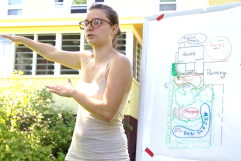
STOCKSCH 198 P – Permaculture Gardening at UMass (1) – In this hands-on class students will learn about permaculture basics while maintaining our on-campus permaculture demonstration gardens.  By application only (contact Xochi Salazar).

STOCKSCH 297AL – Agricultural Leadership and Community Education I (3) – Learn to work with community groups in a leadership role.  Great class for anyone who wants to work with non-profits, neighborhood groups, Peace Corp, Food Corp, etc.  Instructor is Sarah Berquist.

STOCKSCH 197 B – Shamanic Herbalism (1) – a form of plant-based healing built upon a symbiotic relationship between humans and medicinal herbs that supports the health and wholeness of the physical body, the spiritual self, and the Earth. Instructor is Kristen Avonti.

STOCKSCH 197MC – Intro to Mushroom Culture (1) – Learn the basics of mushroom cultivation including laboratory skills to grow mycelium, cultivation methods and medicinal value. Instructor is Willie Crosby.

STOCKSCH 197 T – Tools for Life (1) – This course is designed to introduce students to the basic types of skills and tools necessary to work with wood and other natural fibers. This class will focus on three fundamental tools: the knife, the saw, and the needle. Material and tools will be introduced progressively and by means of projects and other experiential learning exercises to give students an understanding of the origin and fundamental application of these crafts. On completion, students will be uniquely prepared to further their explorations with wood and fiber, and to use their skill with the knife, saw, and needle to solve modern problems with local resources.” Instructor is Aaron Jermain.

STOCKSCH 397 GB – Grapevine Biology (3) – This course will cover viticultural practices, culture and grapevine biology related to fall production.  Emphasis will be on the challenges and opportunities of the local cold climate and sustainable practices.  Instructor is Elsa Petit.

STOCKSCH 356 – Food Justice and Policy (3) – offered in alternate years.  This course examines the role of policy in determining WHAT we eat, WHO experiences barriers to access to safe, healthy, local, fairly produced foods, and HOW we create equity and sustainability in our local food system.  Instructor is Catherine Sands.


D Acres: a Successful Regenerative Farm

By Dana Lucas, UMass Sustainable Food and Farming student

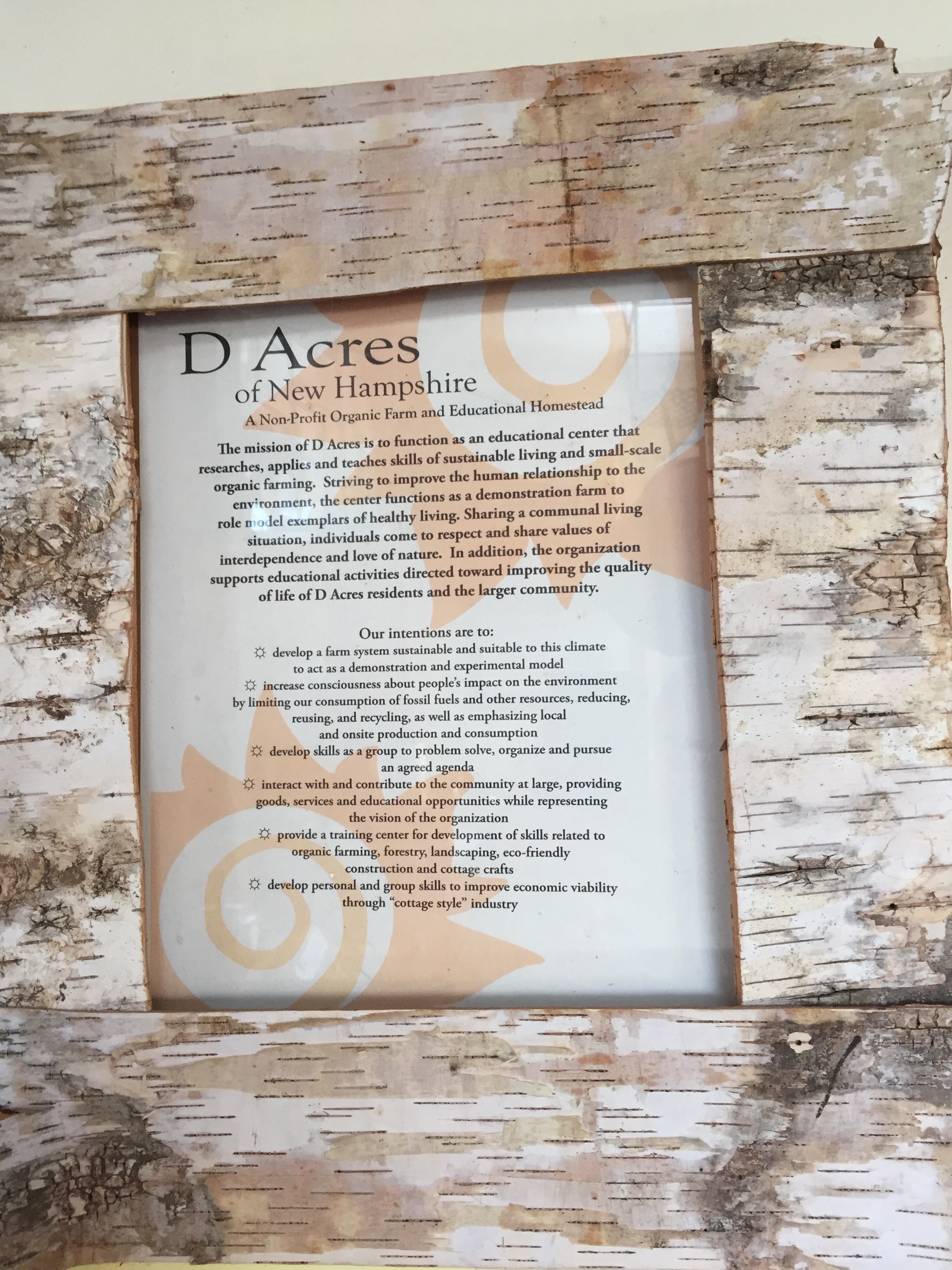
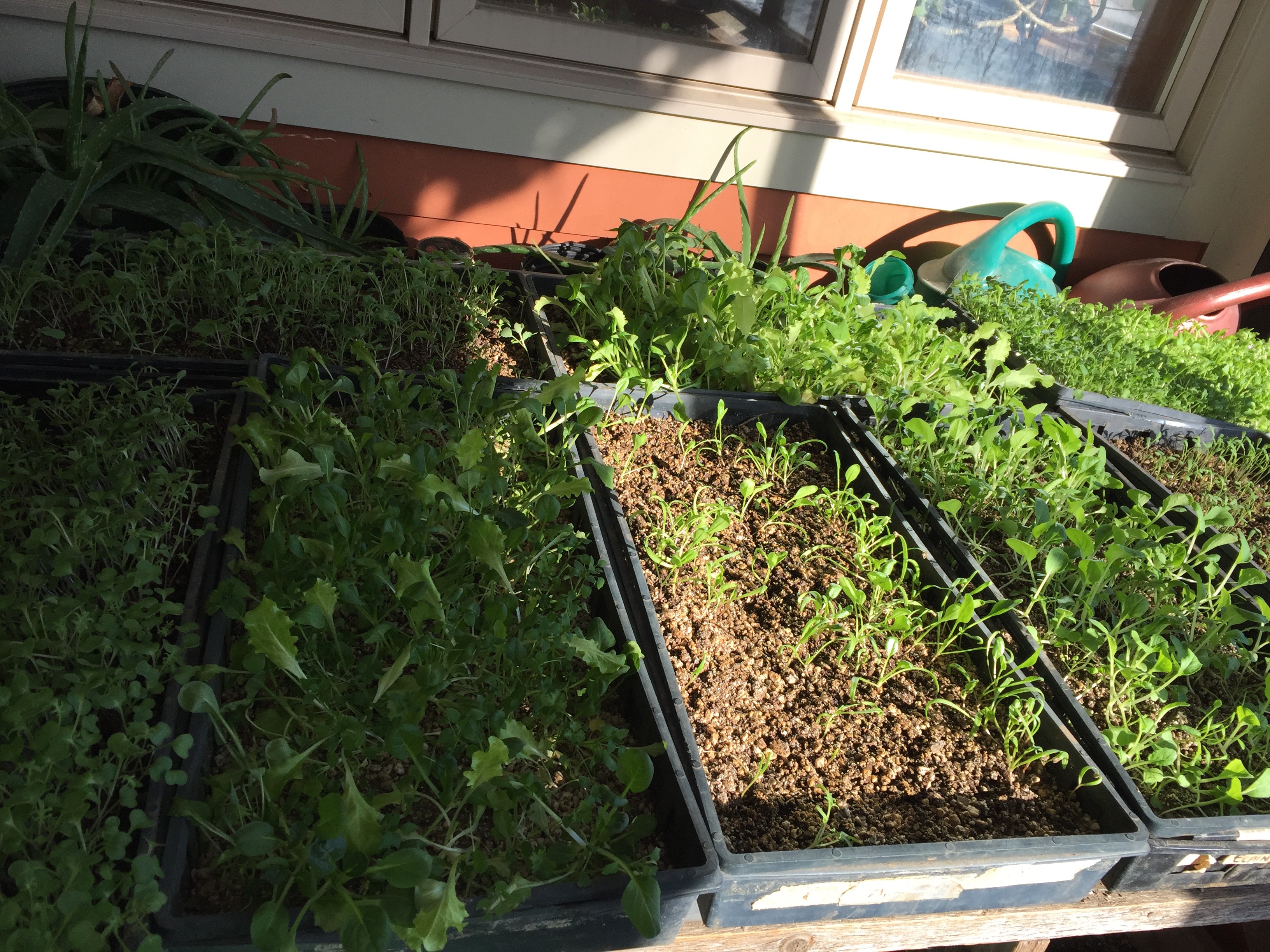
IMG_0431D Acres is a large scale non-profit permaculture farm and homestead nestled in the White Mountains near Dorchester, New Hampshire, operating since 1997.  D Acres mission is to provide a space for community outreach, sustainable lifestyle education and applied regenerative system farming.  “D Acres” stands for a Development Aimed at Creating Rural Ecological Society, which they have embodied successfully by running a hostel, a work exchange program and by providing accommodations to the nearby community. By implementing both old homesteading techniques and newer technology, D Acres is considered to be one of the most successful large-scale permaculture farms in New England.

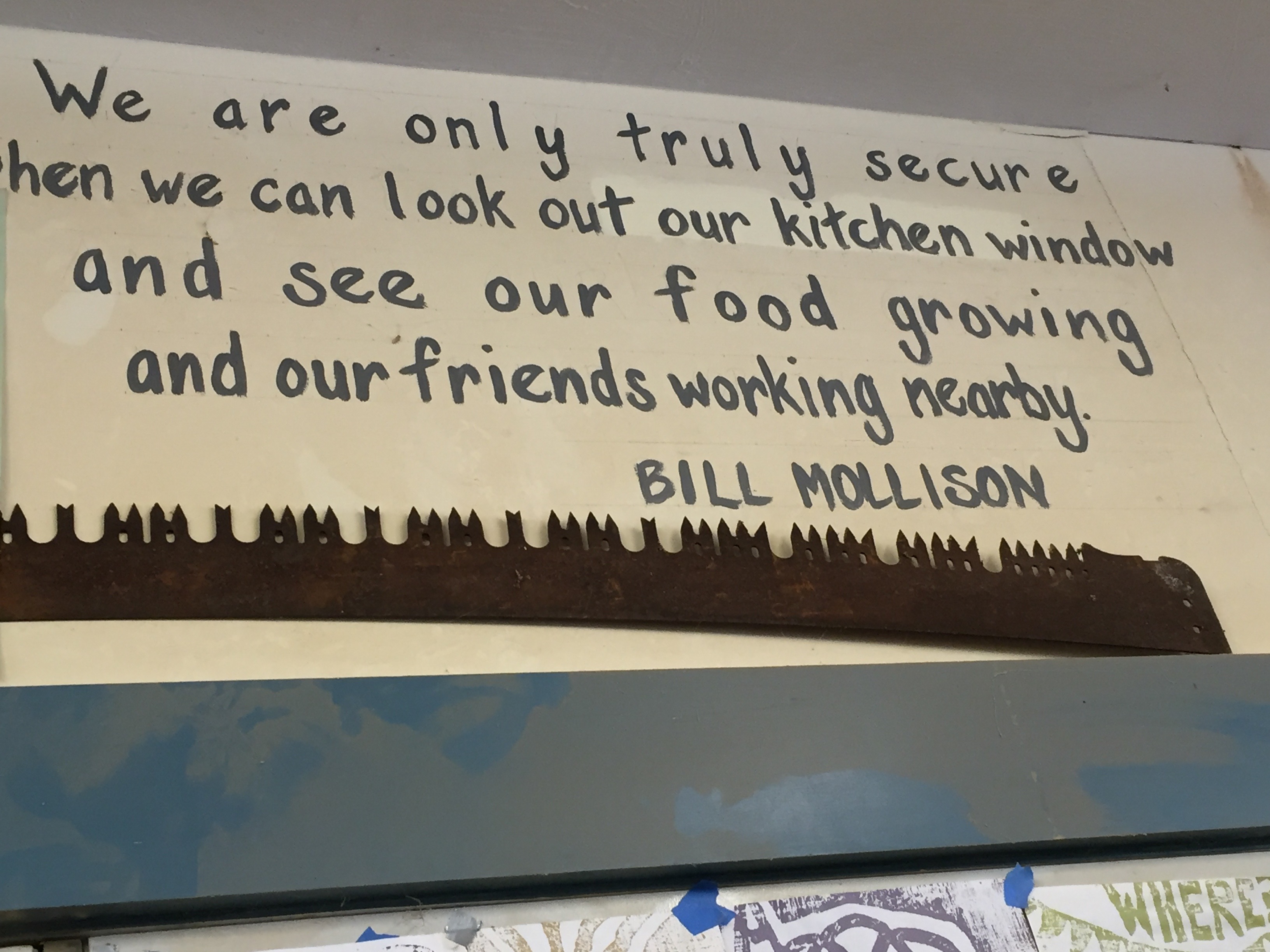
IMG_0412There are a variety of examples of permaculture design on the 180 acre property. By mimicking an ecological system this farm is able to manage inputs and outputs efficiently and effectively.  A large part of D Acres regenerative system is dedicated to reducing energy and water consumption  using technologies such as composting toilets and solar hot water showers. Additionally, much of the land is dedicated to the conservation of the forest, which is used for both accessible trails and sustainable timber use. D Acres uses timber from fallen trees, which are moved with oxen in order to reduce the use of fossil fuels.  Wood from these trees is used for crafting items such as wooden spoons or burning as firewood. A successful food forest has been planted among the rows of annual crops in order to provide perennial fruit and nut production and expand the edible landscape.

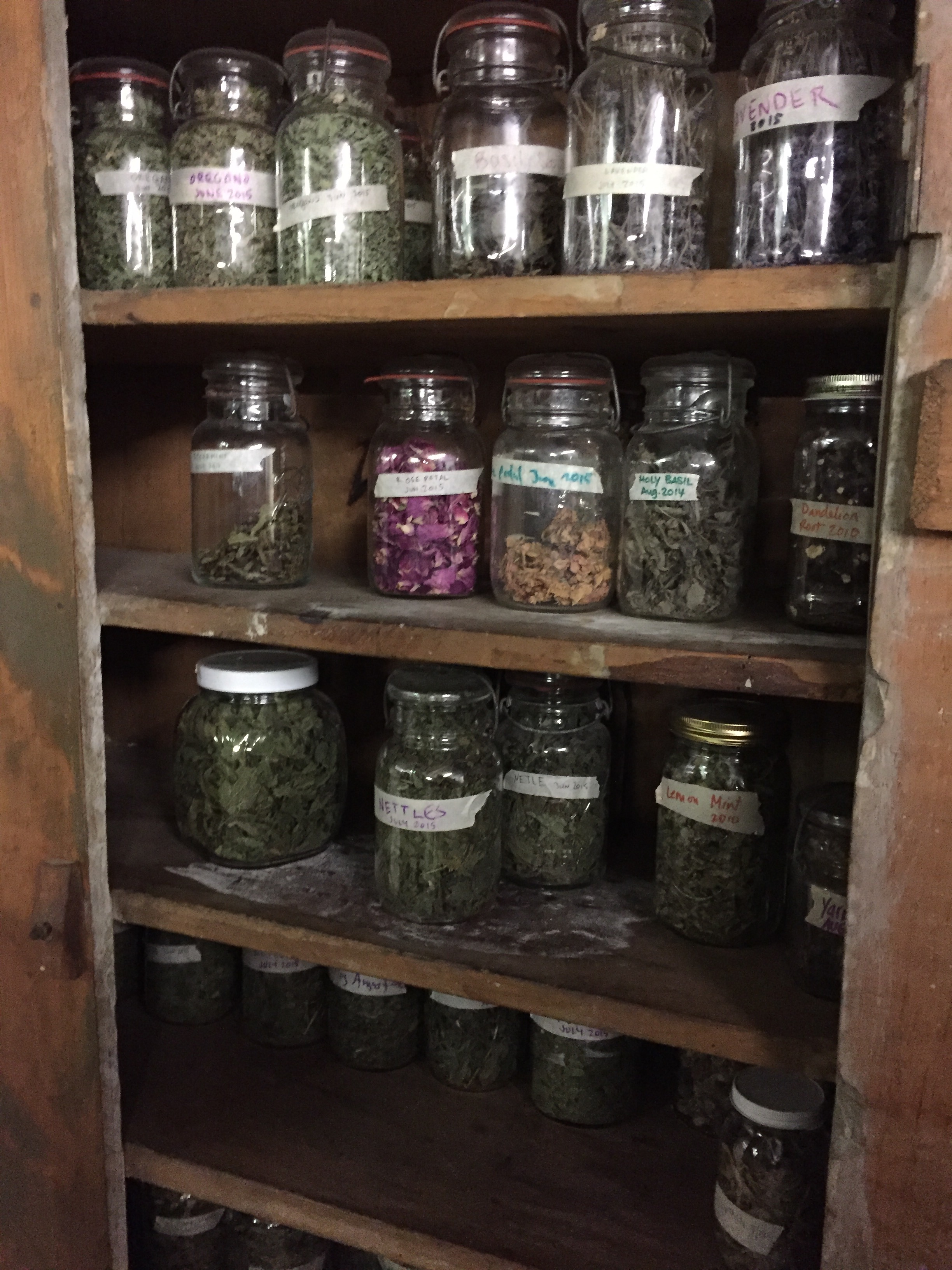
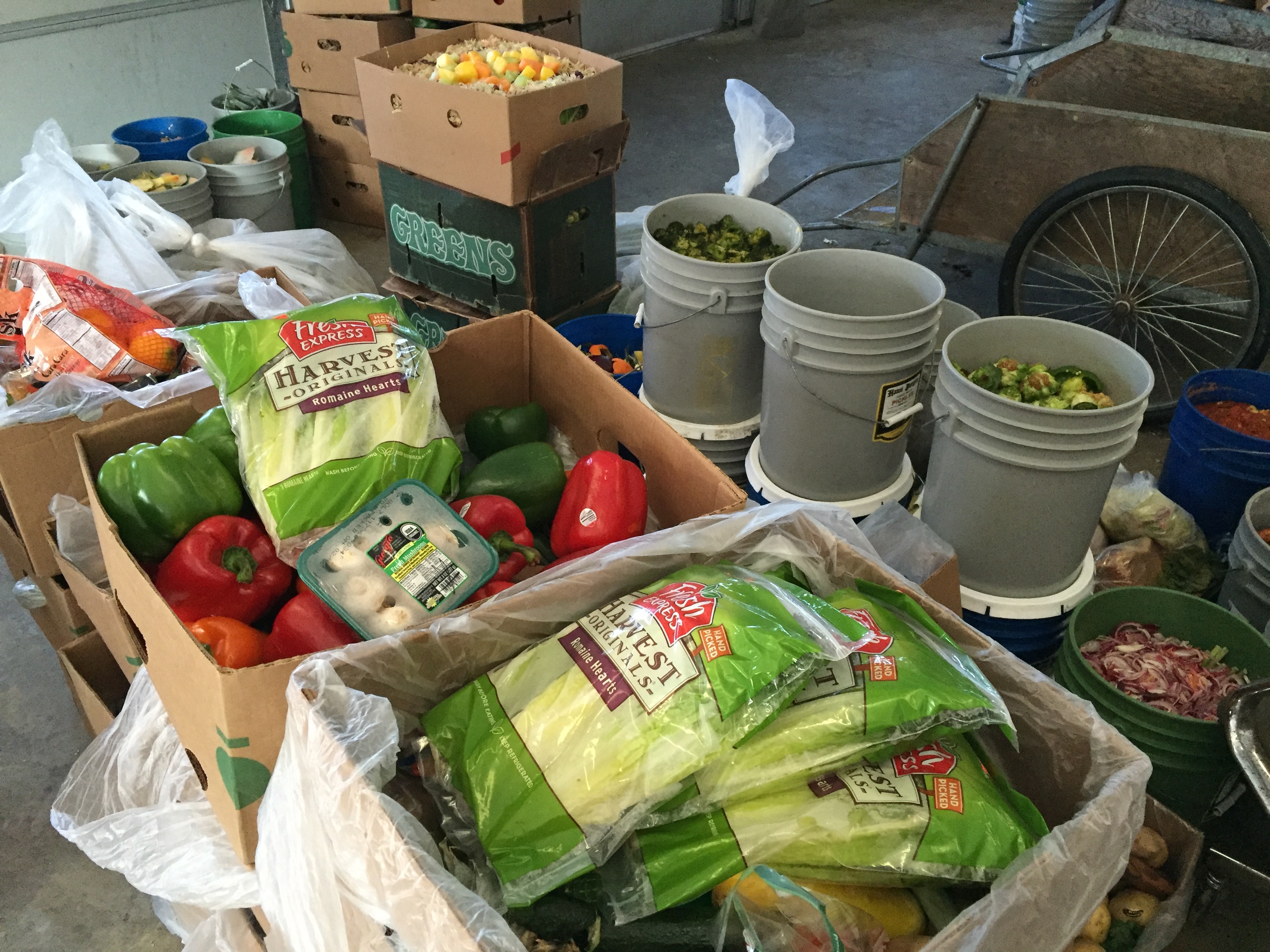
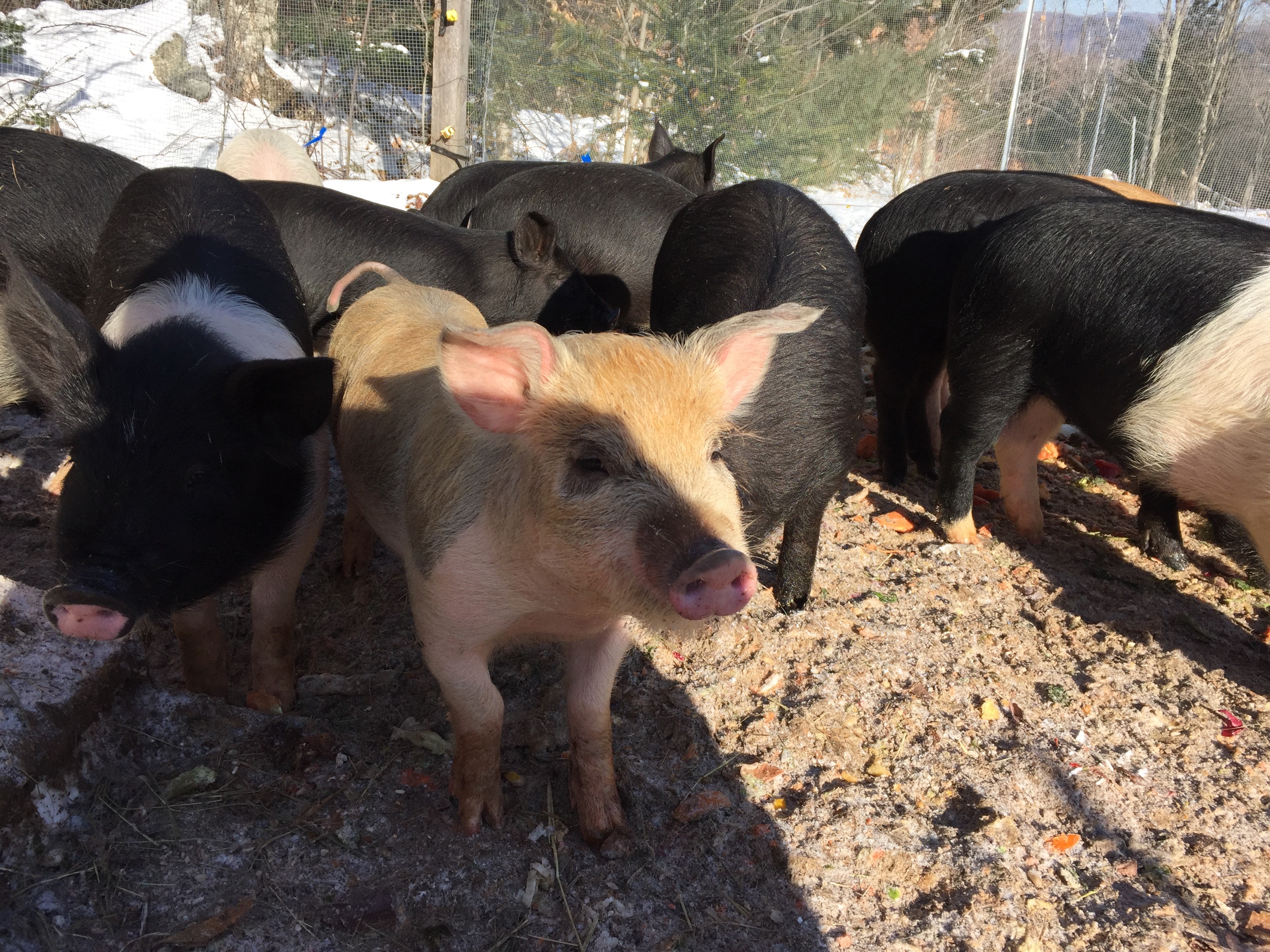
This farm is also committed to seed saving in order to lower off farm inputs. PIMG_0418ossibly most important are the inclusion of different animals on the farm such as the pigs, which feed off of free “waste” collected from the local grocery story. By embodying the three ethics of permaculture: earth care, fair share, and people care, D Acres is saving natural resources by constantly finding ways to reduce consumer consumption. D Acres strives to continue modeling the system of nature, which is always the best designer.

It is highly recommended to take a trip out to D Acres if you would like a weekend getaway or are interested in learning more about how to create a sustainable lifestyle.  For more information, see: http://www.dacres.org/.

More Pictures from D Acres….

IMG_0432IMG_0427IMG_0399

Women in Agriculture and Food Production Exhibit in the Library

womeninstock
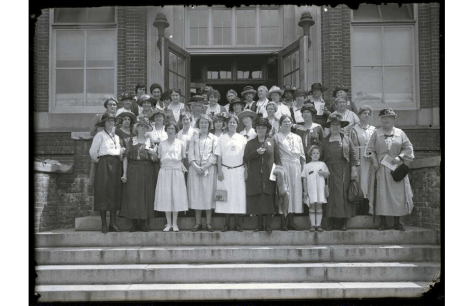
Farmers’ Week: women gathered on steps of Stockbridge Hall, 1922. University of Massachusetts Amherst Photo Negative Collection (RG 171). Special Collections and University Archives, University of Massachusetts Amherst Libraries

The UMass Amherst Libraries host “Growing Season: Women in Agriculture and Food Production,” through August 15, 2016, in the W.E.B. Du Bois Library, both on the Lower Level and in Special Collections and University Archives, on Floor 25, at the University of Massachusetts Amherst.

On the Lower Level, “Growing Season” focuses on the growth and encouragement of women in agriculture and food production at Massachusetts Agricultural College (MAC or “Mass Aggie,” the precursor to UMass Amherst and the home of the Stockbridge School of Agriculture) from the 1910s through the 1930s. With growing local food supply issues from 1900-1920 due to WWI and population movement from farms to cities, MAC started special and short course programs that engaged women in practical agriculture, like gardening, fruit growing, dairying and also rural social services and home economics. The growing Extension Service program reached out to rural and farm community members with instructional workshops and pamphlets.

womanagOn display in Special Collections and University Archives, floor 25, are collections that reflect women and food production, including cookbooks focused on preservation and canning; Helen Hunerwadel who taught and advised on agricultural in Burma and Iran in the 1940s and 1950s; and Elizabeth Henderson, an organic farming pioneer and founding member of the Northeast Organic Farming Association.

The exhibit draws upon the archival collections in Special Collections and University Archives and includes photos, articles, and other artifacts.

For more information, contact Kirstin Kay at kay@library.umass.edu, 413-545-6843.

————————————————————

SSA Logo -- blue on white with UMASS

Approximately 58% of the 140 students currently in the Sustainable Food and Farming major in the Stockbridge School of Agriculture are women.

Summer Course on Clean Energy & Sustainable Ag

Sustainable Food and Farming majors at UMass are invited to apply for this free summer class.

nsfiii17

SUS 220: Clean Energy and Sustainable Agriculture – 6 credits transferable to UMass

COURSE DESCRIPTION: Clean energy is becoming a priority as our global community faces the challenge of climate change. At the same time agriculture is changing to meet the needs of a more environmentally aware consuming public. In this intercollegiate and collaborative course students will learn how to apply clean energy technologies to sustainable agriculture practices. This class brings together students at Holyoke Community College, Hampshire College and the University of Massachusetts Amherst to learn a variety of emerging technologies. Topics will include solar, wind and geothermal technologies, ecological farming, greenhouse management, rainwater collection, root zone heating and considerations of social justice. This course is intended for second year students. Permission of instructor is required. Field trips will involve physical activity and appropriate dress.

  • Earn 6 Credits transferable to UMass
  • Monday to Wednesday 9:00am to 1:00pm
  • Thursday 9:00am to 3:00pm

COURSE OBJECTIVES: Upon completion of this course students will understand:

(1) the application of solar thermal energy in an agricultural setting;

(2) the application of solar photovoltaic energy in an agricultural setting;

(3) the application of wind energy in an agricultural setting;

(4) the application of geothermal energy in an agricultural setting;

(5) the use of biomass as an energy source in an agricultural setting;

(6) the production and harvesting of food;

(7) the management of greenhouses;

(8) the use of energy sources in greenhouses;

(9) the use of machinery, including solar tractors and cooling trailers, in an agricultural setting;

(10) food systems and social justice as it relates to food systems.

COURSE METHODS: This collaborative course will be taught by a number of instructors on three campuses; HCC, Hampshire and UMass Amherst. As outlined in the schedule there will be a variety of activities each day. Lectures, discussions and hands on activities will be the primary methods. This course will focus on clean energy sources with an emphasis on agricultural applications. We will present, in broad outline, the problem of climate change, the implication and the legacy of fossil fuel consumption, and the practicality of developing clean energy sources for environmental, societal, technological, and financial benefits. As much as possible students will be asked to discover answers for themselves, collaborating in small groups, and sharing their findings with their cohort. What are the benefits? Does the technology have applications in our area? What clean energy applications are already up and running in the Pioneer Valley? Have these applications lived up to their promise? While at Hampshire College, students will engage on multiple levels with several different energy technologies, including design and assessment of a mobile refrigeration trailer, alternative models for root and vegetable storage, electric tractor conversion, and solar arrays to power farm operations.   Students will learn in the classroom, on Hampshire’s 100-acre farm and in Hampshire’s innovative Center for Design laboratory. Students will visit other farms and operations that incorporate these technologies in different ways. Students should participate as reflective practitioners throughout the course.

TEXTBOOK: There is no textbook for this course. Materials will be distributed throughout the course as well as being posted on the course Moodle site.

METHOD OF EVALUATION: Students will be expected to keep a notebook/sketchbook. This will serve as a class notebook as well as a reflective journal. Reflective evaluative papers will be written every two weeks, as well as a final evaluation.

ATTENDANCE POLICY: While each student is expected to attend all classes, two excused absences will be allowed, and additional absences may be considered on a case-by-case basis. More than two absences may result in an administrative withdrawal. Consistent tardiness or leaving class early will be counted as absences.

Contact John Gerber to apply at jgerber@umass.edu

To see some video clips from our class last summer, see;

Class Videos

Three ONLINE Permaculture & Design Classes

SSA Logo -- blue on white with UMASS.jpg

The UMass Amherst Sustainable Food and Farming Program is pleased to be able to offer three ONLINE classes in Permaculture and Design this spring as part of our 15-credit Certificate Program.  Classes begin on January 19 and registration closes whenever the classes fill up or on January 29 at the latest.

Among the 22 online classes we offer year round are the following three which will begin soon (click on the title for more information):

STOCKSCH 197 G – Introduction to Permaculture

perma4Description: The Introduction to Permaculture Course is a three-credit course that offers students a foundation in permaculture history, ethics, principles, design process, and practical applications. The framework behind the theory and practice of permaculture is rooted in the observation of natural systems. By observing key ecological relationships, we can mimic and apply these beneficial relationships in the design of systems that serve humans while helping to restore the natural world. This course trains students as critical thinkers, observers, and analysts of the world(s) around them, and then goes on to provide students with the tools needed to design for inspired and positive Continue reading Three ONLINE Permaculture & Design Classes

ONLINE Associate of Science Degree in Sustainable Food and Farming

SSA Logo -- blue on white with UMASSThe UMass Stockbridge School of Agriculture has offered Associate of Science degrees in “practical agriculture” since 1918.  Beginning in September 2016, we will welcome our first online class to Stockbridge by offering a fully online 60-credit Associate of Science degree in Sustainable Food and Farming!

certprogramThis program will expand upon the successful 15-credit Certificate Program in Sustainable Food and Farming which currently has more than 750 students from all over the world.  Unlike other agricultural certificate programs, students in the Stockbridge School of Agriculture may select from a diverse array of online classes from the “basics” of Soil Science and Botany to more specialized courses in Backyard Homesteading, Global Food Systems, and Urban Agriculture, just to name a few.  The full list of courses currently offered online may be found here:

Online Sustainable Food and Farming Classes

The requirements for the online degree will be comparable to the on campus A.S. program in Sustainable Food and Farming.  Students will earn academic credit toward their degree by taking high quality academic courses as well as gaining experience farming and marketing, working for non-profit organizations in food advocacy and community development, or agricultural education for example.

Applications will be available in January 2016.  To be put on a mailing list to be kept informed, sign up here: ONLINE CLASSES.

Overview

sustagSustainable farming and marketing is a rapidly growing sector of the U.S. economy. Opportunities for new farmers as well as affiliated careers in public policy, advocacy, community development and education continue to grow.

The increasing demand for local and sustainably grown food has created opportunities for college graduates who understand the unique production, processing, and marketing approaches used in sustainable agriculture today. Some people entering the field will go back to their family farms.  Many pursue specific interest in local or organic agriculture. Others will create their own opportunities in food marketing, processing, non-profit organizations, food and agricultural associations, or cooperative businesses.  Some graduates plan on homesteading while pursuing employment in other fields.

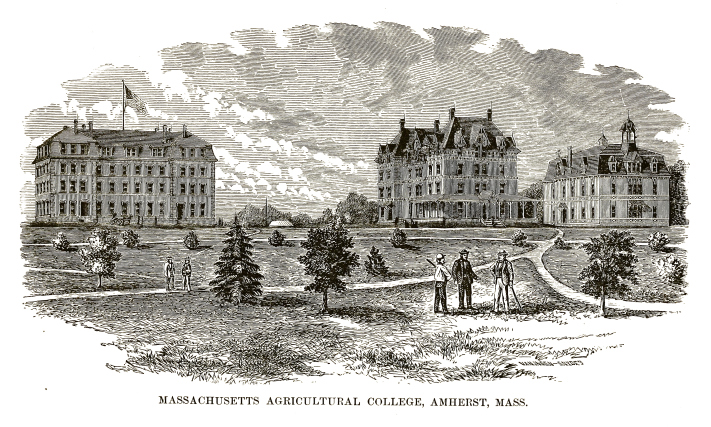
massaggieThe University of Massachusetts Stockbridge School of Agriculture has been at the heart of training and education in this broad network of food and farming systems since the establishment of “Mass Aggie” over 150 years ago. More recently, Stockbridge has experienced an increased demand among residential students at UMass in the Bachelor of Science degree in Sustainable Food and Farming.

SFFoverYearsIncreasing numbers of mid-career professionals and returning Veterans have found the 15-credit Certificate Program in Sustainable Food and Farming to be an attractive means of gaining education while earning a college credential. These students have turned to the online environment to develop knowledge and skills applicable to the diverse array of work experiences that are part of the food chain – from production, processing, and delivery to policy, regulation, and education.

The Online Associate of Science Degree in Sustainable Food and Farming Certificate provides a reasonable option for those who wish to study sustainable food and farming but are not ready or able to make a commitment to an on campus degree program.  Students will acquire a basic knowledge of plant and soil sciences along with training in agricultural techniques, community development, public policy, and education. The major offers flexibility in designing a personal program of study, allowing students to focus on specific career objectives.

Admission

The Online Associate of Science Degree in Sustainable Food and Farming is an academic program of the UMass Division of Continuing and Professional Education and the Stockbridge School of Agriculture.   All students pursuing the degree must be admitted to the University of Massachusetts Amherst. Information on the application process will be released in January 2016.  Students interested in pursuing the online certificate, but not a degree may simply register with a simple form here: Register for the Online Certificate.

Tuition and Fees

All online classes are offered through the University of Massachusetts Division of Continuing and Professional Education. Most classes cost $472 per credit. In addition, there is a $45 per semester registration fee.

Financial Aid and Scholarships

collegemoneyInvesting in your education is a significant financial decision. Our Continuing and Professional Education Financial Aid Office can help make that investment a little easier through:

For more information, please contact our CPE Financial Aid Office here: Financial Aid.

And if you have question about using veterans benefits, please contact UMass Office of Veteran’s Services at vetbenefits@umass.edu or 413-545-5792 or see: http://www.umass.edu/veterans/

Advising

Online Associate of Science students will be assigned an adviser to help select courses and make progress toward graduation.  If you have questions in advance, you may contact the A.S. Online Program Coordinator, Renee Ciulla.

Online Course Delivery

Courses taken online are equivalent to the same courses taken at the UMass campus in almost every way including: assignments, learning objectives, discussions, projects, exams, and the degree of rigor. The online learning environment provides opportunities to interact with other students from around the world as well as the course instructor. The “classroom” environment is engaging and dynamic and a community of learners often emerges during the class.  Technical support for online education is available “24/7”, when you need it!  As an online student you can “go to class” anytime, check out the course readings, chat with fellow classmates post comments to a threaded discussion board, submit assignments, and work on projects. Instructors make every effort to provide a meaningful educational experience using the online format and do so in a way that works for busy adults.

Technical Requirements

onlinelearnIn general, to be successful accessing an online class you must:

  • have access to a personal computer (Mac or Windows) with at least 128MB RAM (256MB preferred)
  • be familiar with basic computer skills
  • be connected to the internet
  • have an e-mail program and account (provided)
  • have at least a 56 kbps modem (DSL or Broadband Cable recommended)
  • have a Java capable browser (Internet Explorer, Firefox or Safari)
  • have an up to date antivirus program

For details on accessibility and software suggestions, see: Technical Requirements

Proposed Graduation Requirements

    Sustainable Food and Farming – A.S. Degree Proposal
A. General Requirements
MATH 104 (3) or MATH 101/102 (4)
ENGLWRIT 111 or 112 (3)
STOCKSCH 105 – Soils (4)
STOCKSCH 108 – Botany (4)
B. Agriculture Requirements
Two Plant and Animal Production Systems Courses (6-8)*
Two Economic and Social Systems Courses (6-8)*
Three from either category (9-11)
No more than 6 credits at the 100 level
*Must be at 200 level or higher
STOCKSCH 198F – Sustainable Food & Farming Internship (3)
C. Professional Electives
Select from the approved lists below or request alternatives
Minimum of four Plant & Animal Production Classes
with at least one of the four being a pest course
Mimimum of one Economic & Social Systems Course
Minimum total = additional credits to total 60

Approved Courses

Plant & Animal Production Systems
STOCKSCH 117 – Agricultural Chemistry (3)
STOCKSCH 119 – Homesteading (3)
STOCKSCH 120 – Organic Gardening & Farming (4)
STOCKSCH 186 – Introduction to Permaculture (3)
STOCKSCH 265 – Sustainable Agriculture (3)
STOCKSCH 286 – Permaculture Design and Practice (3)
STOCKSCH 297R – Raising Dairy Goats Sustainably (3)
STOCKSCH 320 – Organic Vegetable Production (3)
STOCKSCH 397 ES – Exploring Sustainability (3)
STOCKSCH – Integrated Pest Managment (3) to be developed
Economic & Social Systems
ACCOUNTG 221 – Intro to Accounting (3)
MANAGMNT 301 – Intro to Management (3)
MARKETNG 301 – Fundamentals of Marketing (3)
STOCKSCH 258 – Urban Agriculture (3)
STOCKSCH 288 – Land Use Policies and Sustaianble Farming (3)
STOCKSCH 287 – Farm Planning, Marketing & Mgt. (3)
STOCKSCH 355 – Community Food Systems (3)
STOCKSCH 386 – Sustainable Site Planning and Design (3)
STOCKSCH 387 – Global Food Systems (3)
STOCKSCH 397 NP – Nonprofit Mgt of Comm. Food Programs (3)
STOCKSCH 397 SP – Social Permaculture for Food Justice (3)
STOCKSCH 397 FV – Postharvest Handling Fruits/Vegetables (3)
Practica and Related Experiences
STOCKSCH 196 – Independent Study (1-6)
STOCKSCH 298 – Practicum (1-6)
STOCKSCH 397 ES – Exploring Success (3)
STOCKSCH 398B – Agricultural Practicum (1-6)

Community College Campus Goes Native

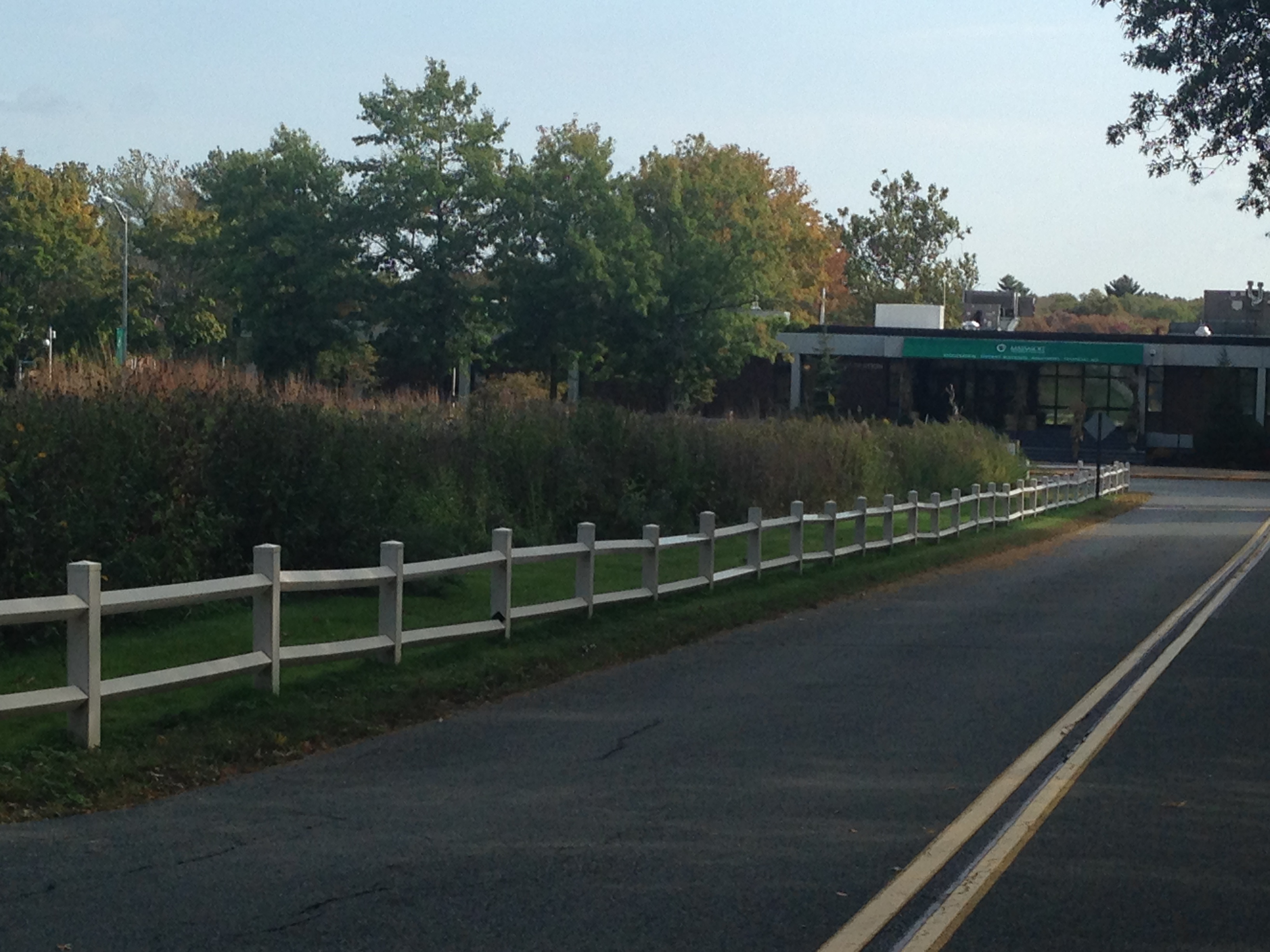
When you drive up the entrance road to Massasoit Community College in Brockton, MA, the first thing you see is a prairie!   That is, you see a lawn gone wild with natural grassland vegetation just before you see the College Administration Building.  Amazing!

Massasoit Community College has made a major statement about how a public space can be landscaped to provide habitat for native pollinators!

IMG_4049The Massasoit Meadow in the Making is the brainchild of faculty member Melanie Trecek-King and her landscape ecology students.  And her colleague, Michael Bankson’s students presented the results of their efforts at the Annual Meeting of the Ecological Society of America in Baltimore, MD in August, 2015. Their work was entitled Restoring habitat with native flowering plants benefits wild bees in an urban landscape. The students have been conducting research about native pollinators under the Massachusetts STEM starter grant over the past year.

IMG_4046According to Melanie Trecek-King, as much as 12% of the grounds of the college has been turned into pollinator habitat and it has made a significant difference in the native bee and pollinator population on campus.

USDA/NRCS Chief Jason Weller said in a recent statement, “the foraging opportunities for honeybees — and native pollinators like butterflies, bumblebees, and other wild bees — are greatly enhanced when they can access vast fields of wildflowers and other native plants. But these fields are being broken up by agriculture and covered up by development.”   USDA recently announced a $4 million program to assist farmers create more habitat to support declining bee populations.

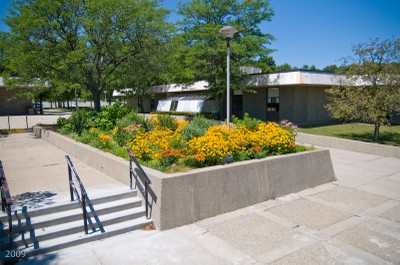
Like most college campuses, the standard landscaping right in the heart of the Massasoit campus used to feature typical sterile landscape plants and bark mulch.

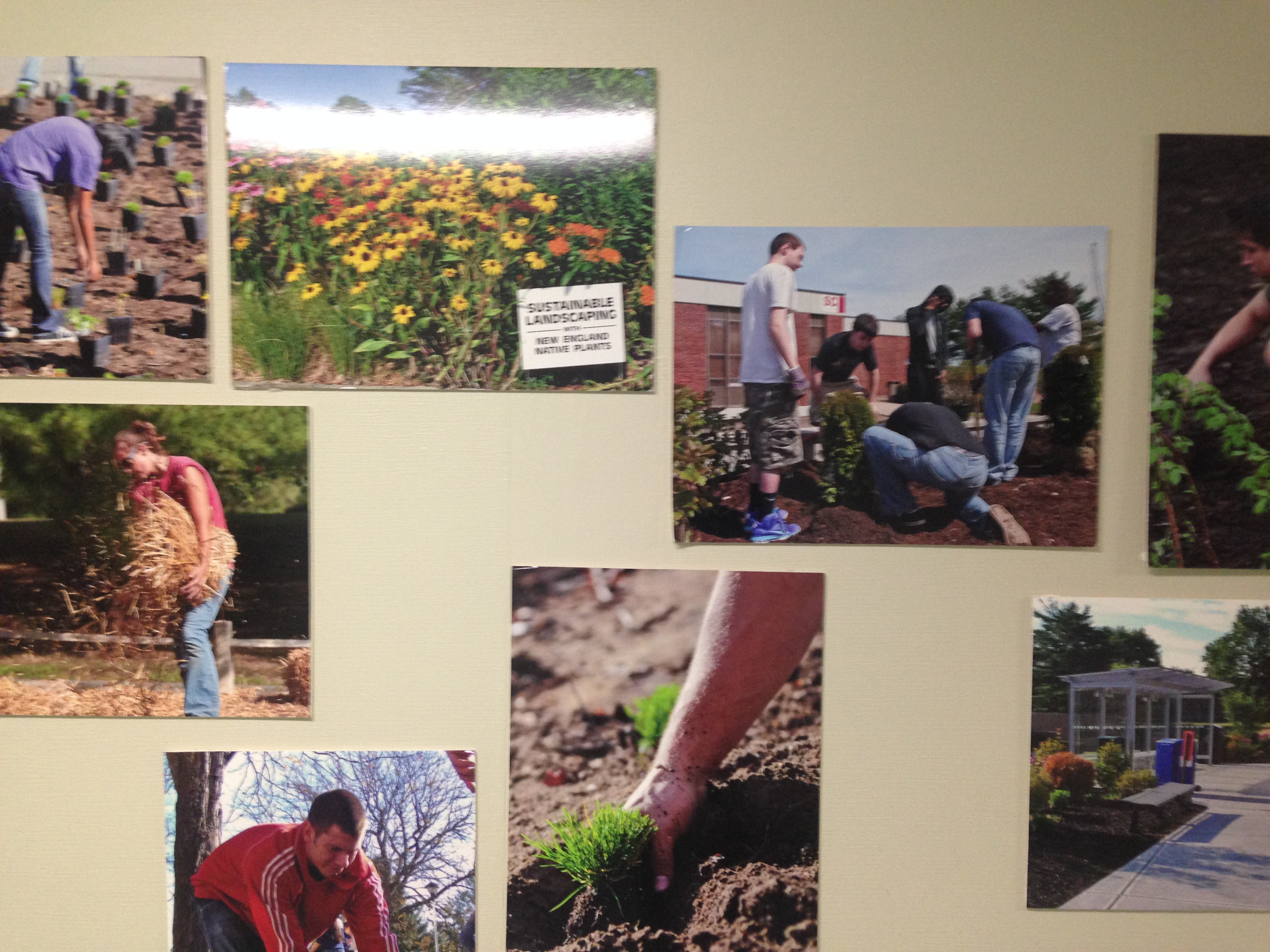
bedsThese areas have been turned into native plant pollinator gardens by Trecek-King and her students, both making the campus more beautiful and more ecologically friendly.

bed2This important work offers students both the opportunity to gain real world practical experience in establishing and maintaining a sustainable landscape as well as research opportunities in landscape ecology.

IMG_4050Congratulations to Massasoit Community College for leading the way in Massachusetts toward creating a more ecological sound and educational landscape on their campus!

Get Involved

getInvolved.83113726_stdStudents in the Sustainable Food and Farming major in the UMass Stockbridge School of Agriculture have the opportunity to “learn by doing” – one of Levi Stockbridge’s favorite sayings.

Toward that end…. here are a few opportunities to GET INVOLVED!

Local Hero Intern with CISA

cisaThe Local Hero internship is a great way to learn about CISA’s work and what it takes to run a Buy Local campaign.  CISA works with over 200 farmers and an additional 100 plus businesses who participate in our Local Hero program. This spring we will be in the middle of our annual membership drive and providing technical assistance workshops, resources and one-on-one support to farms and businesses.  We are looking for someone who is organized and interested in these topics to:

1) Perform outreach/support to Local Hero restaurant members;
2) Assist in data entry and analyzing surveys from wholesale growers, technical assistance workshops, and our year-end evaluation;
3) Research for specific topics of technical assistance needs;
4) Calls and outreach to Local Hero members; and
5) Tabling and outreach for CISA and the Local Hero program.

– See: http://www.buylocalfood.org/about/people/internships/

UMass Permaculture Garden Volunteers

Volunteering in the permaculture gardens is a great way to meet awesome people and get the chance to gain hands-on permaculture gardening experience. We are eager to teach if you are eager to learn! Come see our 1/4 acre garden, home to over 150 different species of plants!  Earn credit by committing to work either Monday and Friday or Tuesday and Thursday from 9:30am – 11:00 am (3 hours total per week).  Apply TODAY by sending an email to info@umasspermaculture.com

Small Ones Farm – Amherst, MA

smaloneOur internship programs offer a variety of hands-on work and training experiences on our working farm.  Interns have the opportunity to assist with core farming tasks under the supervision of experienced farm staff.  We seek mature college students who have a genuine interest in sustainable farming, are willing to tackle a range of farm tasks, are able to work both independently and on a team, are able to handle physically challenging outdoor work in all kinds of weather, and are reliable (i.e., arrive on time, maintain a consistent schedule, etc.).   For more information, see:

Abundance Farm – Northampton, MA

Abundance Farm is currently accepting applications for three different internships (one to focus on vegetable production (sept-oct and march-may), one on our fruit orchard (sept-nov, march-may) and a third to focus on media and marketing (march-may).  Click on these links to find out more about each internship.

All interested students should reach out to our Farm Manager, Tory Field at tory@abundancefarm.org

Fungi Ally Apprenticeships

Fungi Ally is a mushroom cultivation and education business based out of Hadley MA. We currently grow about 150 pounds of shiitake and oyster mushrooms and are moving into a new warehouse space. This fall we will be building new grow rooms, lab space, and continuing to provide mushrooms to local farmers markets, co-ops and grocery stores.

We are looking to hire two apprentices for the fall of 2015.

  • The apprenticeship will run from September 2015-January 2016
  • Between 20-40 hours per week. A weekly stipend depending on the hours agreed upon.
  • Involved in all aspects of running a small mushroom farm

Contact Willie Crosby at;fungially@gmail.com

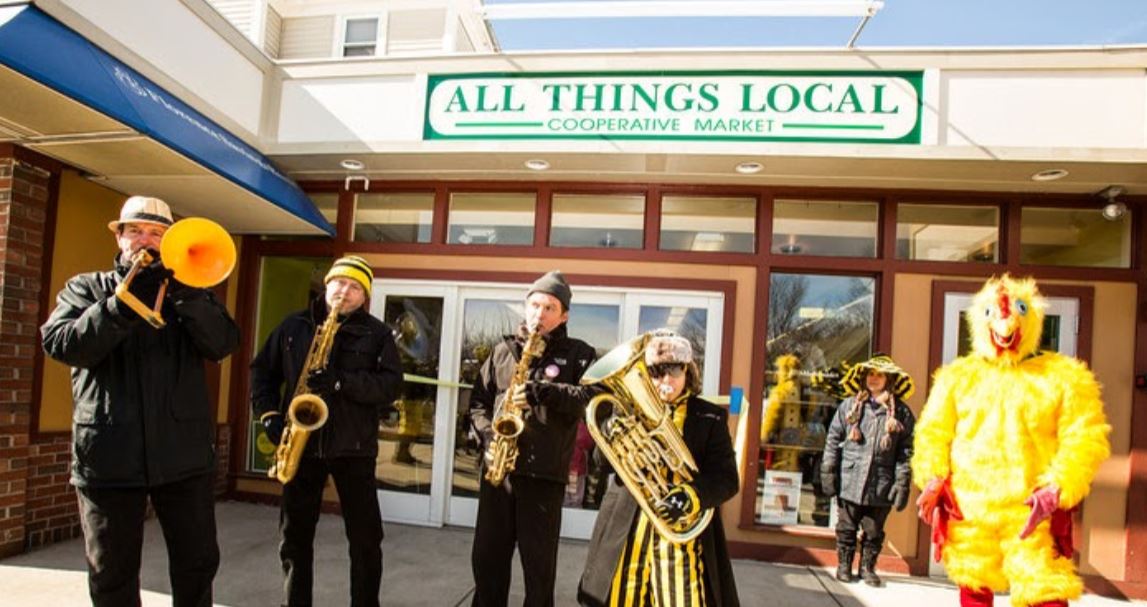
Volunteer at All Things Local – Downtown Amherst

atlAll Things Local is a cooperative market which provides opportunities for local farmers and crafters to sell their products for a fair price.  Volunteers are needed to help with promotion, education, and managing the store.  Please fill out this survey so we can meet the cooperative’s needs while making the best use of your time and skills! We need your help to make this cooperative successful, and we sincerely appreciate your contribution! Thank you in advance.

If you have questions regarding volunteering, please contact Allison at allison@allthingslocal.coop

————————————————————————————————————-

For more information on internship and apprentice opportunities, see:

Finding Good Work in Sustainable Food and Farming

And to get credit for these opportunities, contact John Gerber before September 18, 2015 for fall semester!

UMass Keeps Bees!

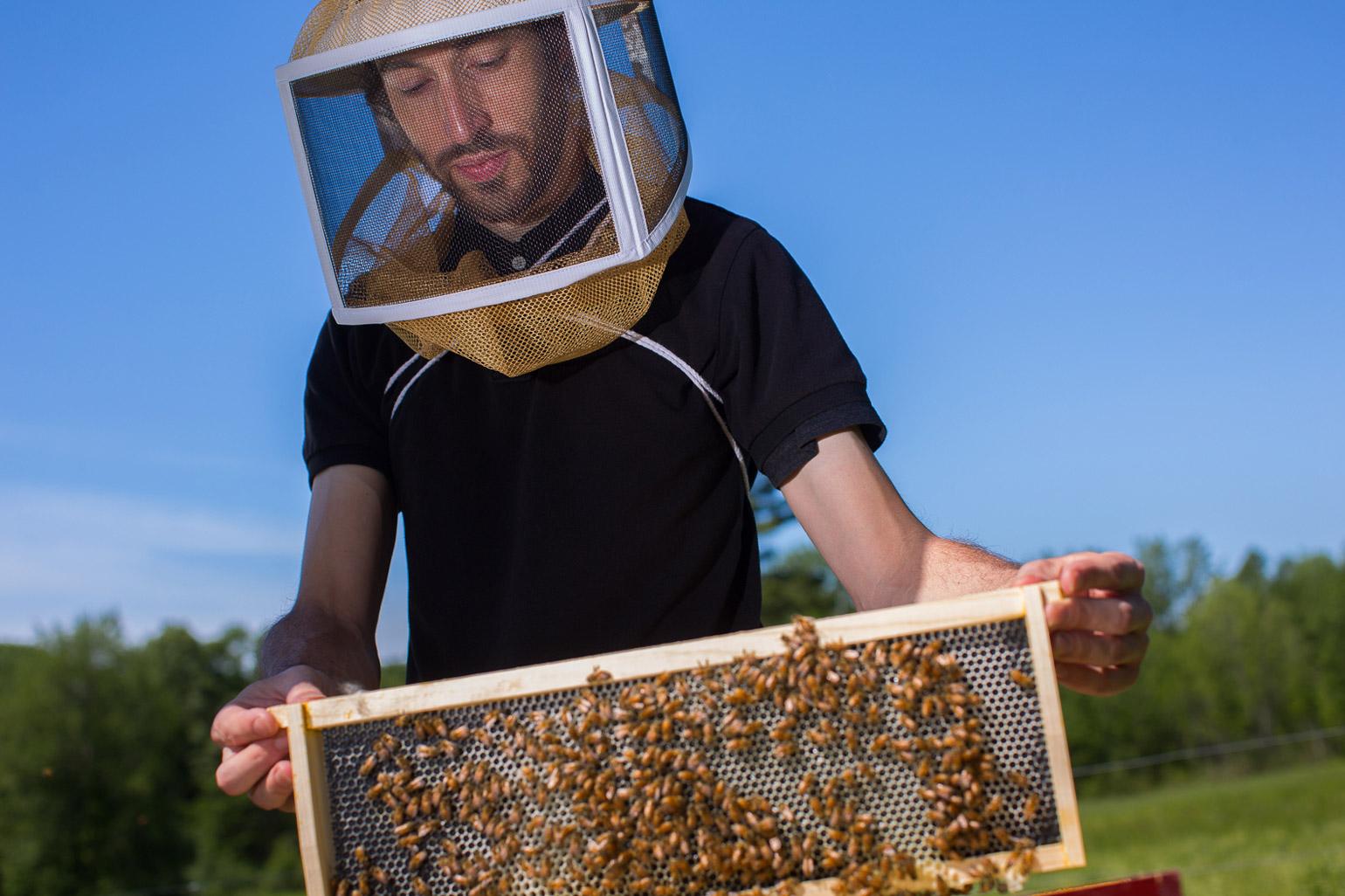
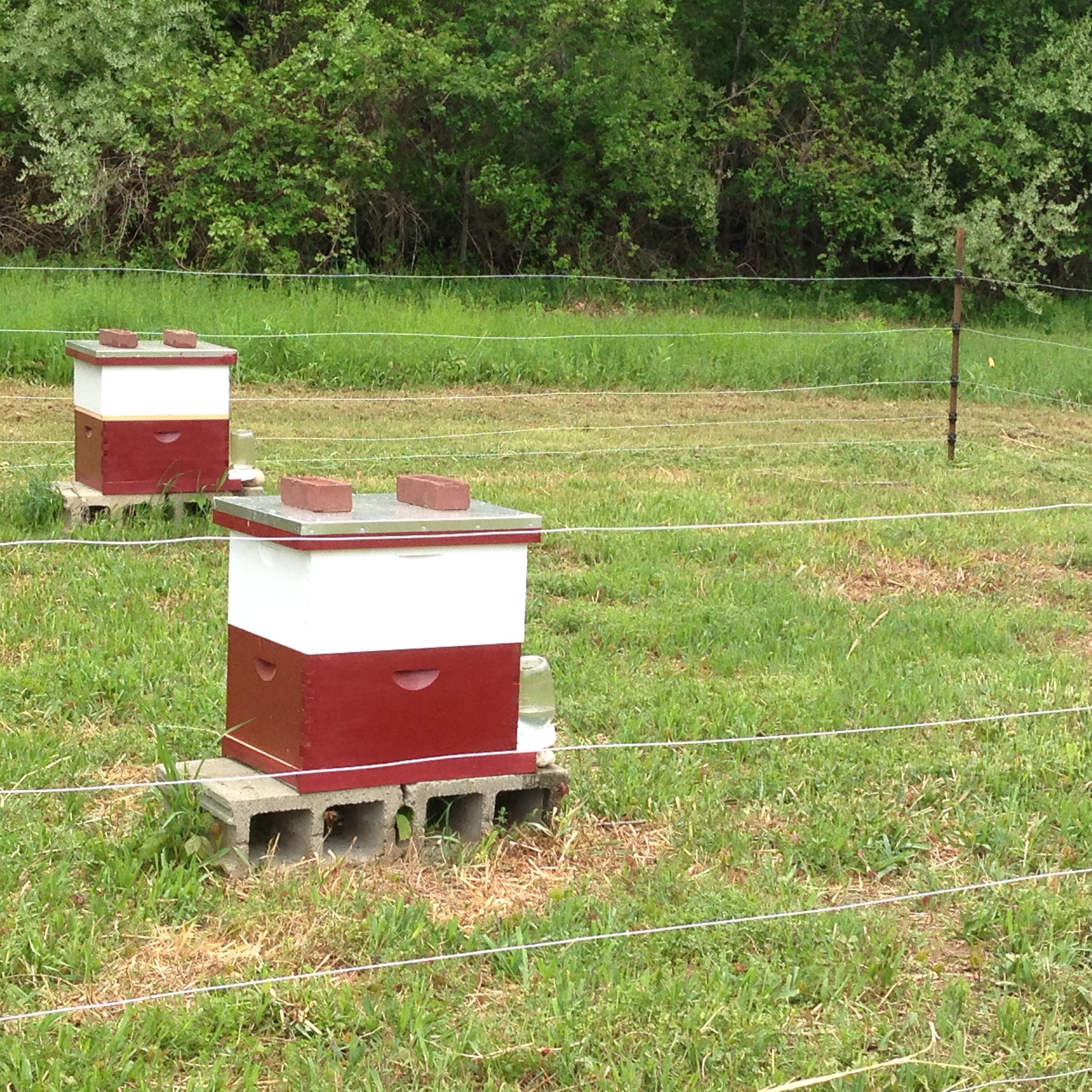
BEE4_INTERIOR-1540x1026Meandering the Renaissance Center’s Great Meadow on a sunlit summer afternoon, you might spy three squat maroon and white structures near the central copse of trees. As you draw closer, you notice the air traffic and soft drone of golden, fuzzy honeybees on their foraging missions.

These structures are the new hives of the UMass Bee Club, currently 100 students strong and growing. Many members, such as incoming president Alexandra Graham, joined because of their concern over threats to the bee population, and the future diversity of our food supply.

“I first became interested in bees a few years back when I learned about colony collapse disorder and started Googling,” relates Graham. “Turns out bees are the coolest ever, and I immediately fell in love. So as soon as I found out about UMass beekeeping I jumped right in.”

IMG_3168The Great Meadow backs up to the Agricultural Learning Center, a demonstration facility that allows students to get hands-on experience with bees.  (Click here for a story on the Stockbridge Pollinator Garden).

Massachusetts Agricultural College was the first college to offer a formal beekeeping program. When Butterfield was still a field, and Orchard Hill an orchard, the eastern edge of campus buzzed with fifty working hives and a dedicated Apiary Laboratory.

But after the last beekeeping professor retired in the late 1960s, the program went dormant. The tradition was revived when founder Eamon McCarthy-Earls ’15, a backyard beekeeping enthusiast, arrived on campus. He founded the club in 2012, at first working with entomology research hives.

Beekeeping is a practice passed down through generations. As many lifelong apiarists are aging, in order to ensure the survival and diversity of healthy populations of bees, “to have youth interested in beekeeping right now is really important,” remarks Jarrod Fowler ’14G, pollinator expert at the Agricultural Learning Center.

The club’s goals are to establish a sustainable productive apiary on campus, create a resilient modern beekeeping program, and optimize the already pollinator-friendly Great Meadow as a pristine meadowland with even greater forage for bees.

But for the short term, says Graham, “we’re just caring for the hives and inspiring more people to learn about bees. We’re excited to be able to offer hands-on experience to our members.” She adds, “eventually there will be honey, and honey means extracting and filtering and bottling and all sorts of other fun things.”

Both on campus and culturally, says Earls, “we’re revitalizing a cultural heritage.”

BEE3_INTERIOR-1540x1026

NOTE:  To join the club, “like” them on Facebook or contact them at; umassbeeclub@gmail.com. The Stockbridge School of Agriculture plans on offering a new course called Practical Beekeeping in the spring of 2016.  Watch for STOCKSCH 166.