All posts by jgerber123

I teach sustainable food and farming at the University of Massachusetts and try to contribute to my local community without causing too much harm....

Spring Events at UMass Amherst in Sustainable Food and Farming

The Stockbridge School of Agriculture is proud of our passionate and engaged students  in  Sustainable Food and Farming.  Stockbridge encourages students to “learn by doing” and we would like to share some of the things we are doing with you –  especially if you….

  • love to be outdoors
  • enjoy good food
  • care about healthy people and community
  • want to study sustainable food and farming systems

Here are some student-organized events which we thought you might enjoy….

The Franklin Permaculture Garden

permacultureVolunteer at the Franklin Permaculture Garden

Spring Volunteer hours  will be held every Tuesday, Thursday and Friday 9:30 AM – ­11:00 AM at the Franklin Permaculture Garden outside of the Franklin Dining Commons.  No prior experience is required, just show up and get your hands dirty!
 —————————————————

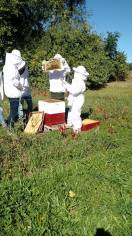
 Sponsored by the UMass Bee Club

beesThursday March 31 the UMass Bee Club will be hosting another candle making event! We encourage you to bring your shot glasses to make personalized tea candles.  The event will begin at 7 in Fernald Hall (right next to Franklin Dining Common).
 —————-

Saturday, April 2 the UMass Amherst Beekeeping Club will help us redefine our relationship with bees and create a new paradigm of caring for bees.This event is FREE for UMass Students. $20 for public.

More Sustainable Food and Farming Events

Monday, April 4 the Spiritual Ecology and Regenerative Systems Initiative will sponsor a DIY Herbal Spa Workshop in French Hall room 102.  Come and make your own herbal body care products.

Wednesday, April 6 the UMass Student Farm will have its Spring Farmers Market and Celebration.  Music, vendors, food and fun.  Stop by the Cape Cod Lounge any time from 12:00 noon – 4:00pm to join the fun and check them out!

studentfarm22

Wednesday, April 6 a group of students in the Sustainable Food and Farming major will sponsor a New Farmer Panel and Expo at the Earth Foods Cafe, right after the Farmers Market on the same day.  The will run from 4:00-6:00pm.  Join us!

And…..

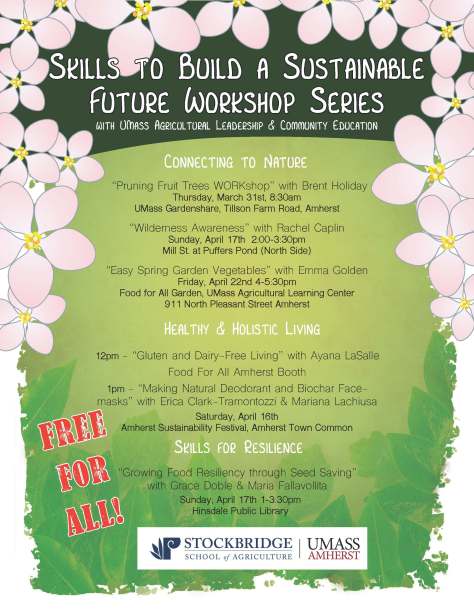
workshop_flyer-3

And….

truth

 And still more…

herbfest flyer (2)

Amherst Sustainability Festival

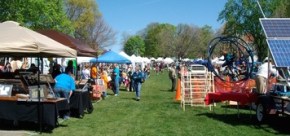
Amherst Sustainability Festival On Saturday, April 16 students in the Sustainable Food and Farming major will be teaching workshops at the annual Amherst Sustainability Festival between 10:00am and 4:00pm on the Amherst Commons.  Here are a few workshops:

  • Natural Deodorant Making
  • Biochar Face-mask Workshop
  • Gluten and Dairy-Free Living
  • Planting Seeds for Kids

Please stop by the festival and join in the fun!

Earth Day at UMass

Stop by the Stockbridge School of Agriculture booth for fun and educational stuff on Earth Day at UMass, April 22 from 9:00am-6:00pm at the Student Union North Lawn!

————————————————–

  • To see more of the “hands-on” projects of students in the Sustainable Food and Farming major check out STUDENT PROJECTS.…. and get involved!
  • For information on the fastest growing major at UMass and the largest sustainable agriculture program in the nation, check out our “official” web page at:

Sustainable Food and Farming at UMass  (where students have more fun)

banner5

Agriculture is fertile ground for high-skilled positions

Adapted from Special to NJ.com  on March 06, 2016 at 5:00 AM
farm jobs.jpg
Young people interested in agriculture are likely to find a surplus of job opportunities in the coming years.

High school students interested in pursuing a career in agriculture will likely find job opportunities are ripe for the picking in the coming years.

According to a report from Purdue University, the U.S. will have nearly 58,000 high-skilled job openings per year in the food, agriculture, renewable natural resources and environmental fields between now and 2020. That compares to only about 35,000 U.S. students graduating with degrees in those fields per year for the same time.

One factor driving the demand for skilled workers is the diverse mix of challenges facing farmers. By 2050, U.S. farmers are expected to help increase global food production by 70 percent to feed a world population of 9 billion people. In the near term, farmers must also contend with lower commodity prices, cope with severe weather and labor shortages, and combat greater weed resistance and crop diseas

online
Click to learn how many career changing adults are getting their start online!

A new generation of skilled professionals is needed to help take farmers to 2050 and beyond. This includes not only the farm operators who will be expected to apply more sophisticated farming technologies and practices in the field, but the researchers, scientists and engineers who will shape the future of agriculture through research and innovations.

Another factor contributing to the robust job market is an aging workforce. According to a report from the STEM Food & Ag Council, nearly a quarter of industry professionals in advanced agriculture fields such as plant and soil science, food science and technology, and agricultural economics are age 55 or older. Meanwhile, more than 60 percent of principal farm operators are now age 55 or older, reports the USDA Census of Agriculture.

An influx of young talent will be needed in the next several years to replace these workers both in the field and in the lab.  For help finding good work or internships, see: https://stockbridge.cns.umass.edu/SFF-good-work.

So what can young people who are interested in agriculture do to prepare for an eventual career in the industry?

Find the Right Program: Students should be diligent in evaluating agriculture programs against their personal and career interests. This means seeking out schools that not only offer the right degrees, but also provide internship, student-involvement and research opportunities in areas relevant to them.

cropped-bannersff
The Sustainable Food and Farming major at UMass Amherst offers flexibility, hands-on courses, and opportunities for internships and to study abroad.

Get Support: The number of scholarships available to students from different organizations can be overwhelming. Agriculture-focused scholarships can be a good place to start, especially as companies seek to support more young people joining the industry.

“The agricultural industry can sustain success by investing in the future,” said Paul Rea, senior vice president, Agriculture Solutions, North America, BASF. “We are pleased to provide scholarships to bright, agriculture-passionate individuals to support their education and assure the sustainability of the industry in the years to come.”

Scholarships-header
For more, go to: Food and Farming Scholarships

These scholarships are available to college-bound children of the association farmer members. For more information, interested students should visit www.ncga.com/topics/education/college-scholarships and www.agrimarketing.com/s/100072.

The future of food security hinges on tomorrow’s agriculture workforce. Helping today’s students find their calling in the industry can improve the likelihood that key positions are filled — and ensure that a growing world is fed.

Original Post

Editors Note – the demand for high quality and progressive education in sustainable food and farming is evidenced by enrollment trends in the UMass Stockbridge School of Agriculture enrollment trends. See below.

enroll

New Classes in Stockbridge

we_added_new_classes__slide

We have added several new classes over the past year or two.  Check out these Fall Semester classes that may be of interest to Sustainable Food and Farming majors:

STOCKSCH 197 CP – Crop Planning for Diversified Vegetable Farms (1) – This course will give the students a clear understanding of how to set up and operate successful systems for crop planning for a diversified vegetable farm.  All aspects from system design, data entry, mapping, scheduling, to record keeping will be addressed.  Students will walk away with a very usable system for crop planning on a diversified vegetable farm plan.  Instructor is Dan Kaplan, manager of Brookfield Farm.

STOCKSCH 198 P – Permaculture Gardening at UMass (1) – In this hands-on class students will learn about permaculture basics while maintaining our on-campus permaculture demonstration gardens.  By application only (contact Xochi Salazar).

STOCKSCH 297AL – Agricultural Leadership and Community Education I (3) – Learn to work with community groups in a leadership role.  Great class for anyone who wants to work with non-profits, neighborhood groups, Peace Corp, Food Corp, etc.  Instructor is Sarah Berquist.

STOCKSCH 197 B – Shamanic Herbalism (1) – a form of plant-based healing built upon a symbiotic relationship between humans and medicinal herbs that supports the health and wholeness of the physical body, the spiritual self, and the Earth. Instructor is Kristen Avonti.

STOCKSCH 197MC – Intro to Mushroom Culture (1) – Learn the basics of mushroom cultivation including laboratory skills to grow mycelium, cultivation methods and medicinal value. Instructor is Willie Crosby.

STOCKSCH 197 T – Tools for Life (1) – This course is designed to introduce students to the basic types of skills and tools necessary to work with wood and other natural fibers. This class will focus on three fundamental tools: the knife, the saw, and the needle. Material and tools will be introduced progressively and by means of projects and other experiential learning exercises to give students an understanding of the origin and fundamental application of these crafts. On completion, students will be uniquely prepared to further their explorations with wood and fiber, and to use their skill with the knife, saw, and needle to solve modern problems with local resources.” Instructor is Aaron Jermain.

STOCKSCH 397 GB – Grapevine Biology (3) – This course will cover viticultural practices, culture and grapevine biology related to fall production.  Emphasis will be on the challenges and opportunities of the local cold climate and sustainable practices.  Instructor is Elsa Petit.

STOCKSCH 356 – Food Justice and Policy (3) – offered in alternate years.  This course examines the role of policy in determining WHAT we eat, WHO experiences barriers to access to safe, healthy, local, fairly produced foods, and HOW we create equity and sustainability in our local food system.  Instructor is Catherine Sands.


D Acres: a Successful Regenerative Farm

By Dana Lucas, UMass Sustainable Food and Farming student

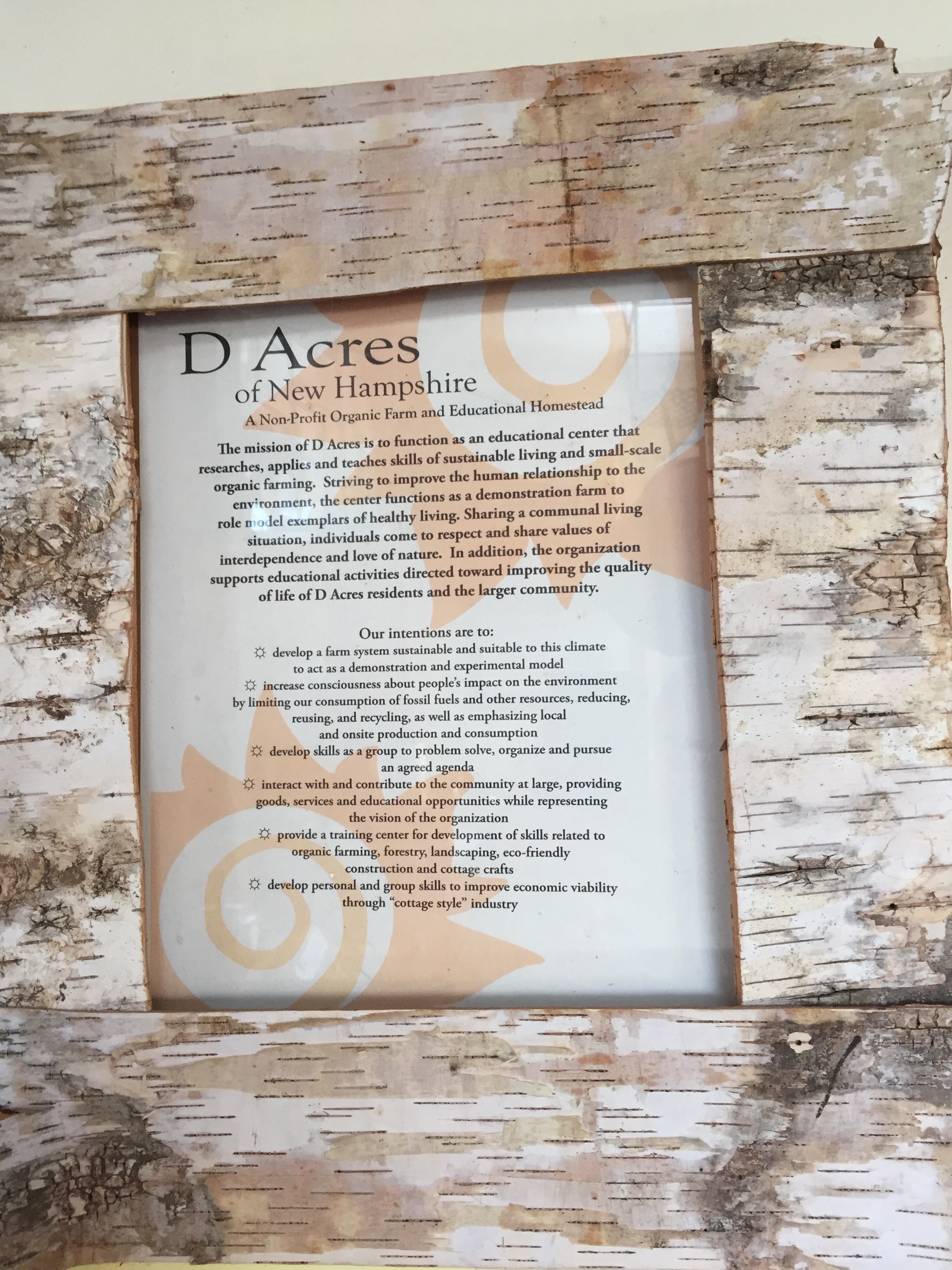
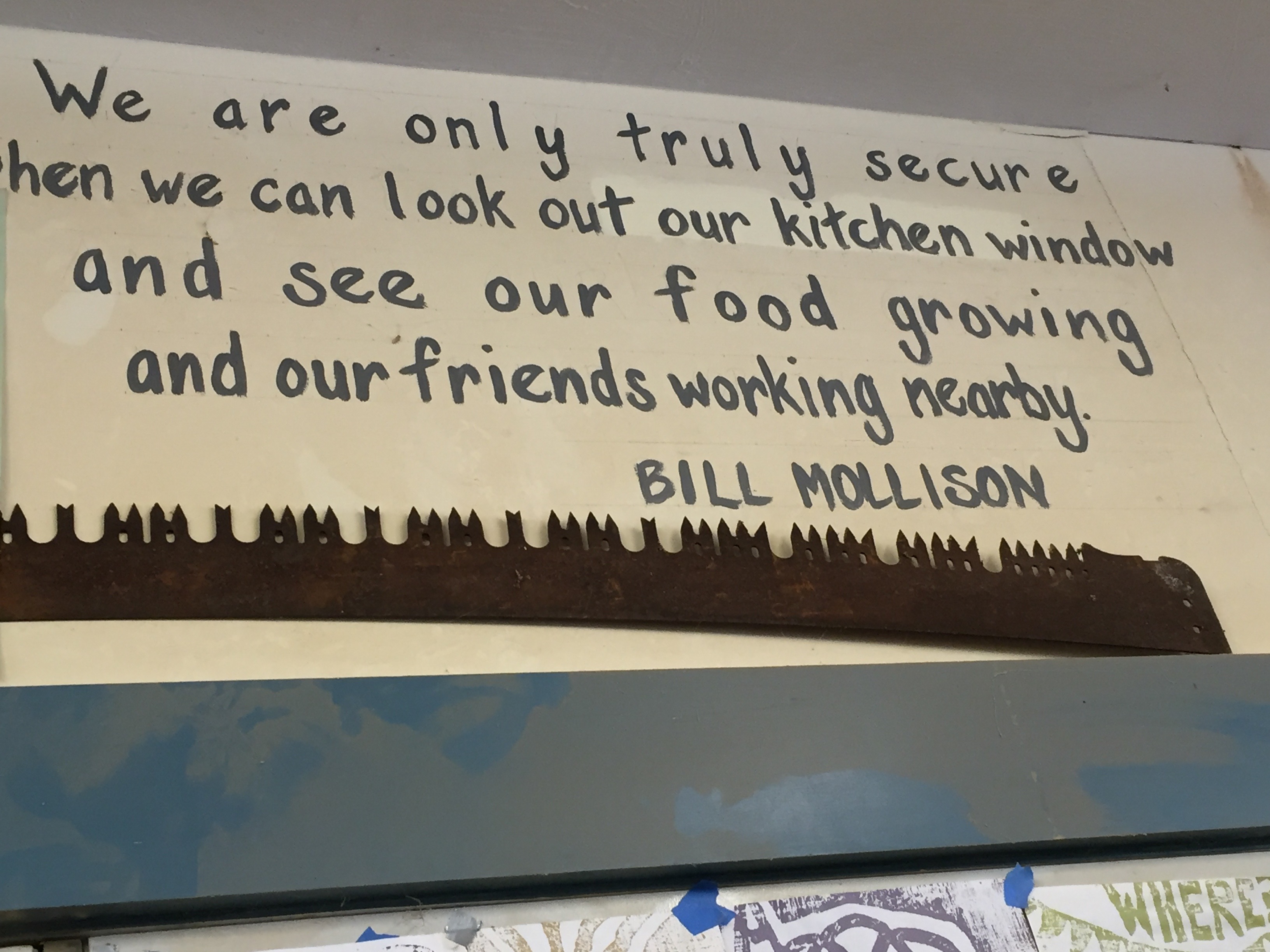
IMG_0431D Acres is a large scale non-profit permaculture farm and homestead nestled in the White Mountains near Dorchester, New Hampshire, operating since 1997.  D Acres mission is to provide a space for community outreach, sustainable lifestyle education and applied regenerative system farming.  “D Acres” stands for a Development Aimed at Creating Rural Ecological Society, which they have embodied successfully by running a hostel, a work exchange program and by providing accommodations to the nearby community. By implementing both old homesteading techniques and newer technology, D Acres is considered to be one of the most successful large-scale permaculture farms in New England.

IMG_0412There are a variety of examples of permaculture design on the 180 acre property. By mimicking an ecological system this farm is able to manage inputs and outputs efficiently and effectively.  A large part of D Acres regenerative system is dedicated to reducing energy and water consumption  using technologies such as composting toilets and solar hot water showers. Additionally, much of the land is dedicated to the conservation of the forest, which is used for both accessible trails and sustainable timber use. D Acres uses timber from fallen trees, which are moved with oxen in order to reduce the use of fossil fuels.  Wood from these trees is used for crafting items such as wooden spoons or burning as firewood. A successful food forest has been planted among the rows of annual crops in order to provide perennial fruit and nut production and expand the edible landscape.

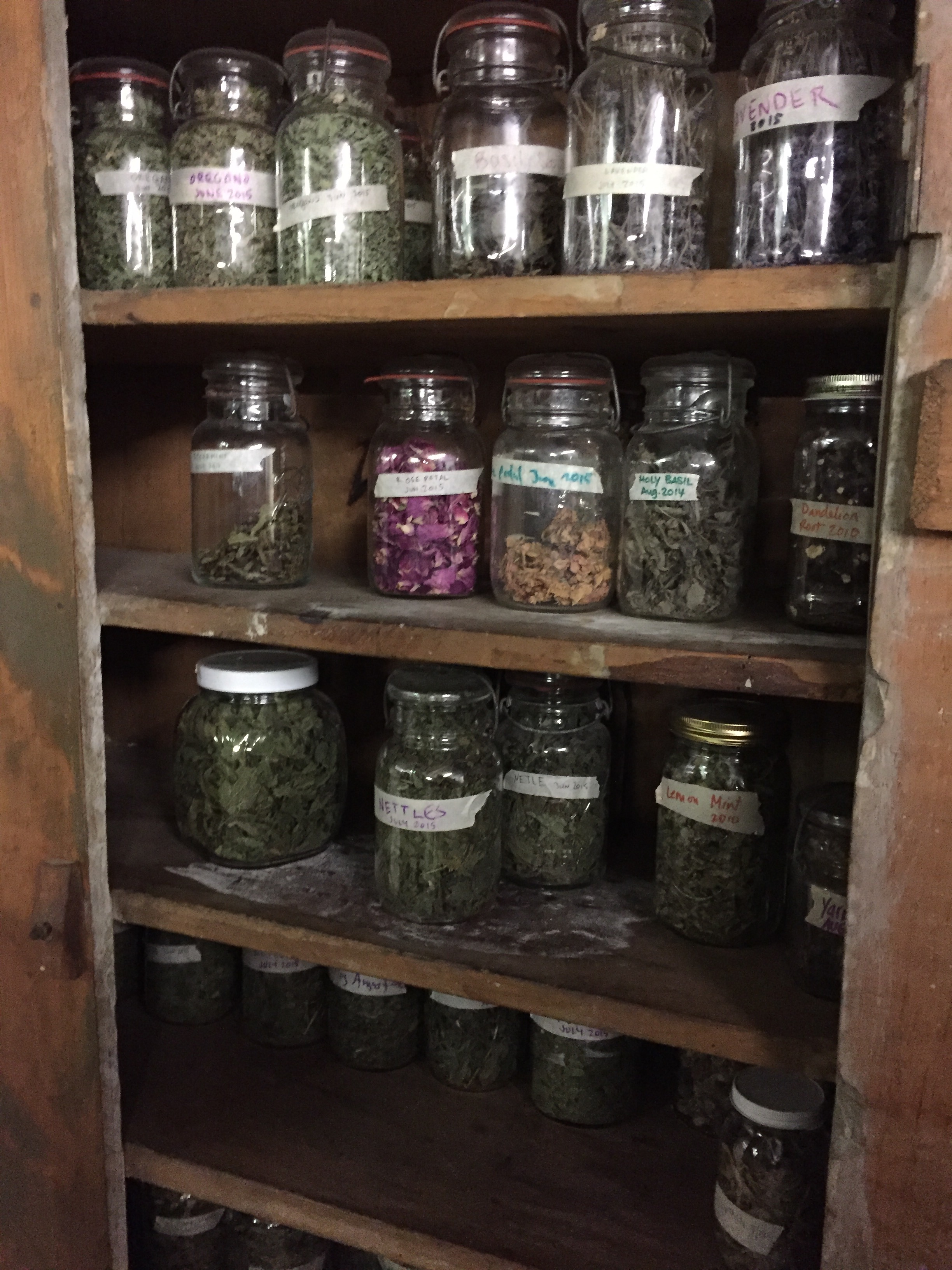
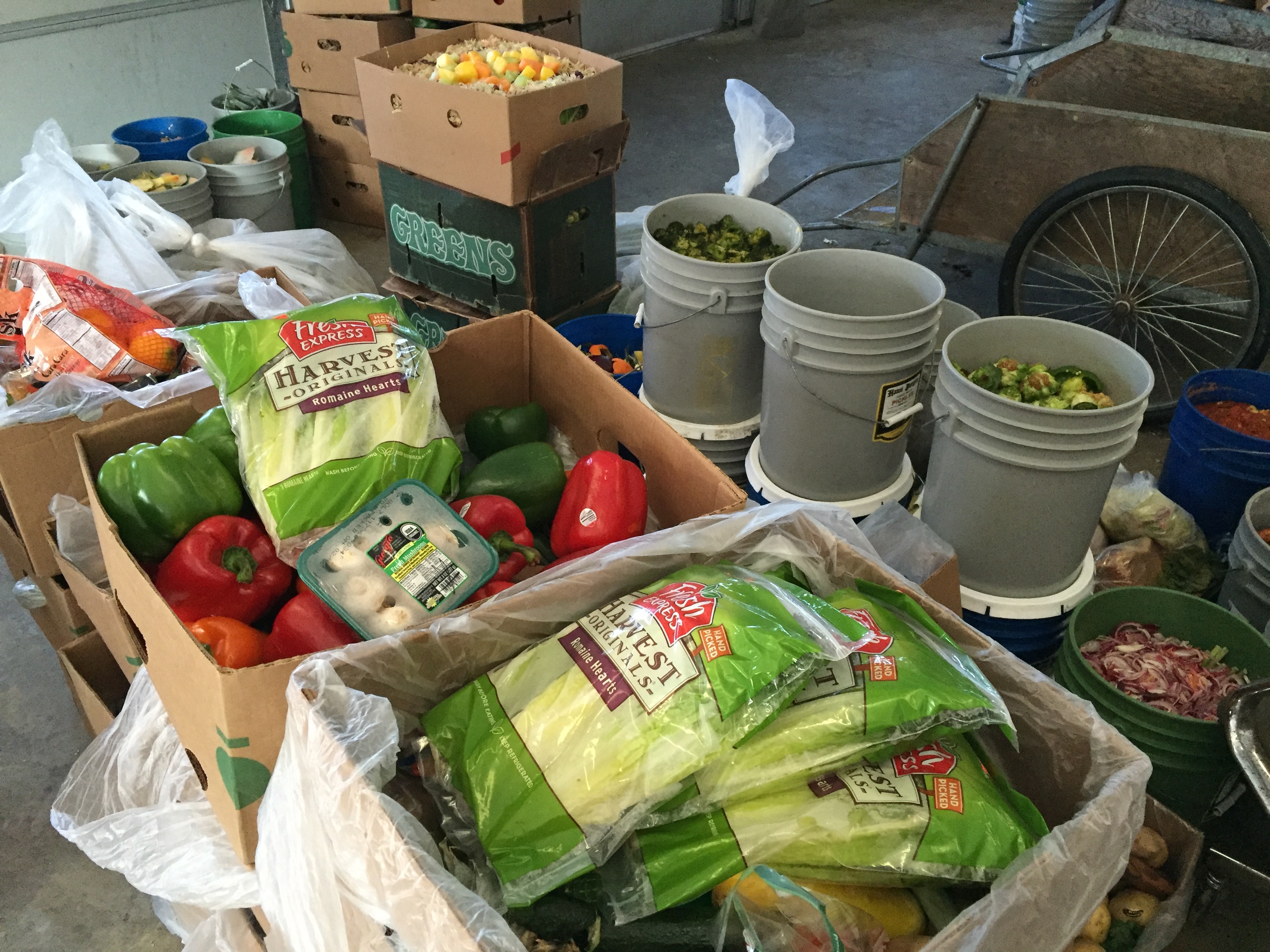
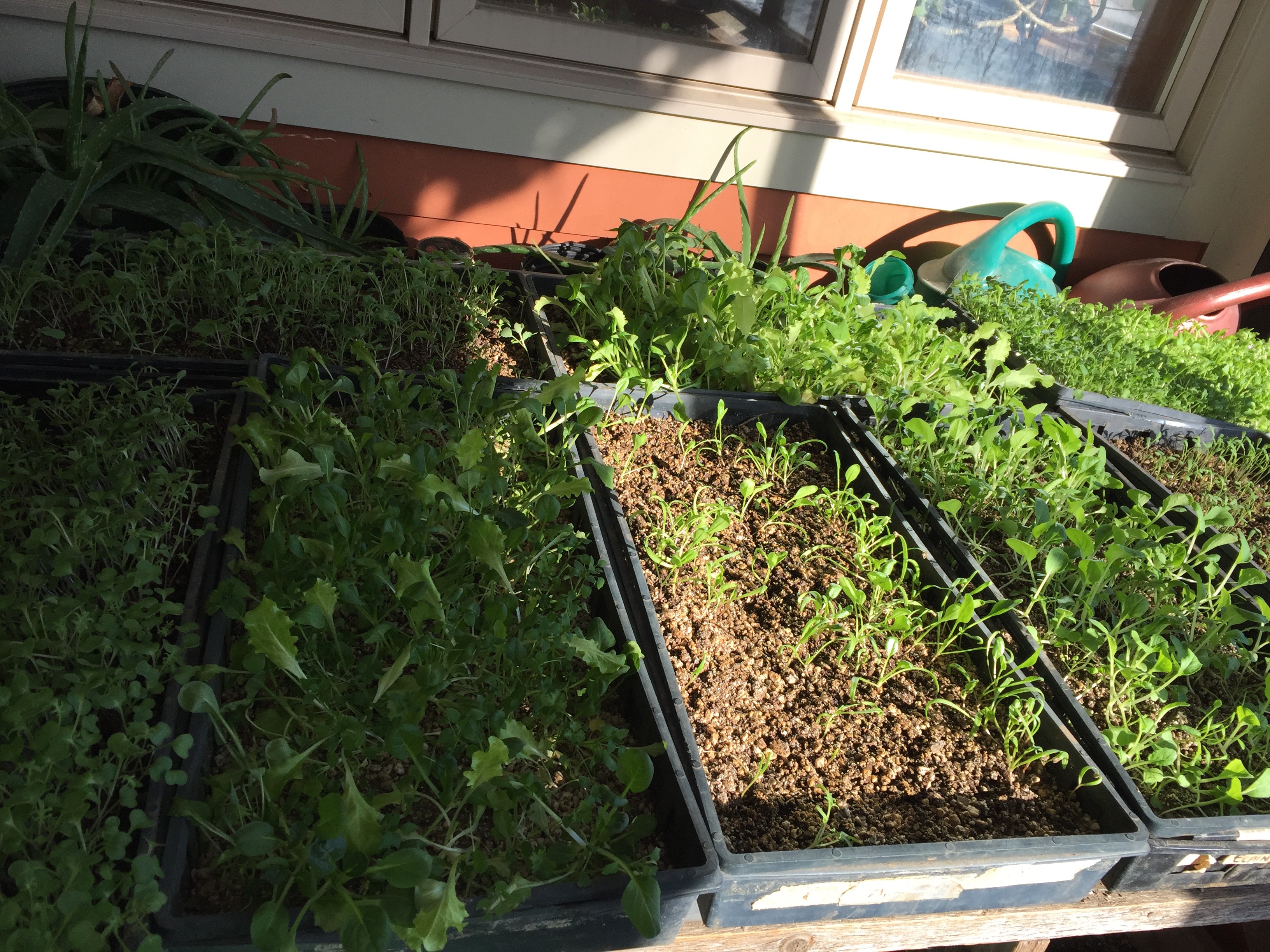
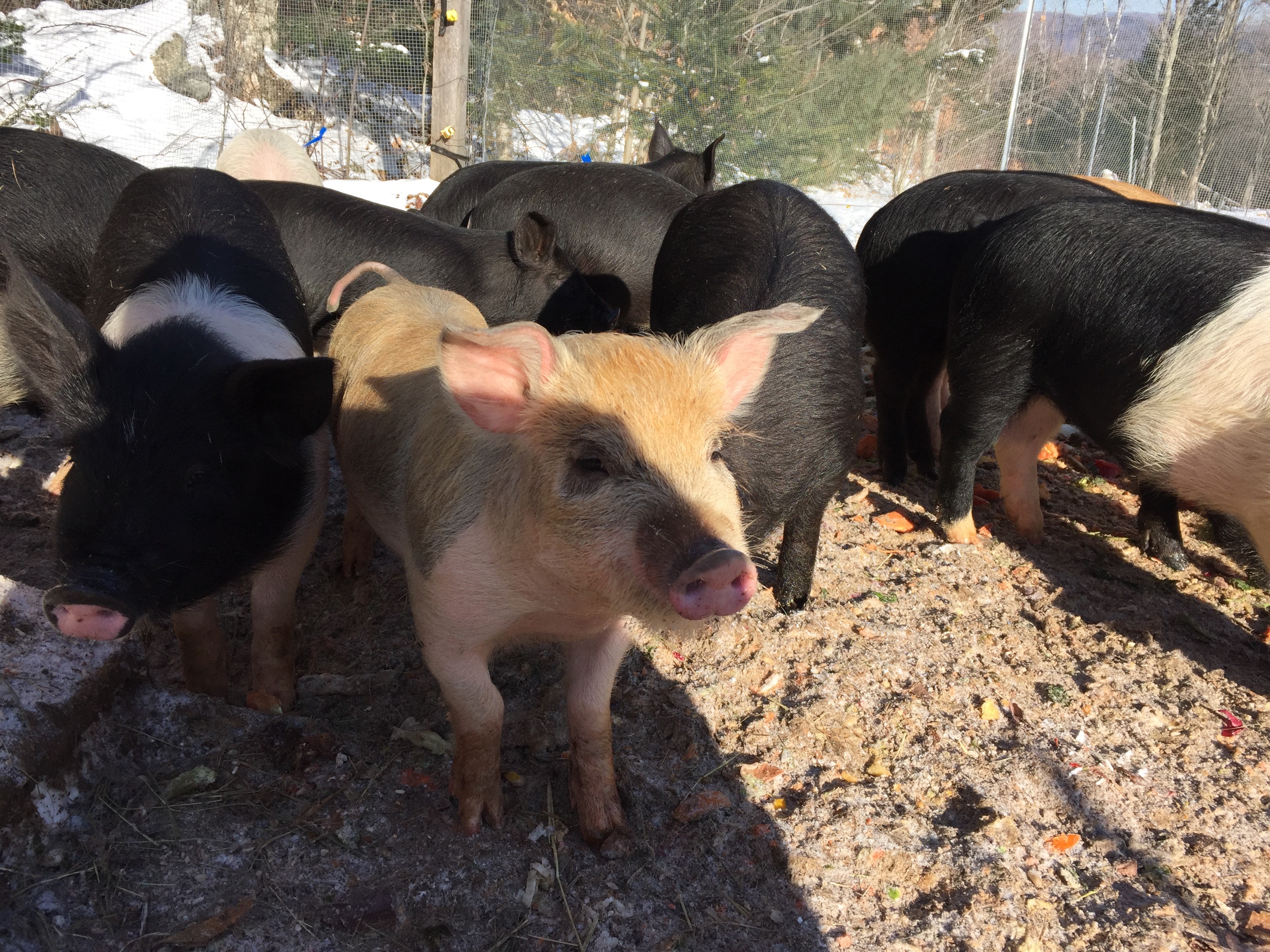
This farm is also committed to seed saving in order to lower off farm inputs. PIMG_0418ossibly most important are the inclusion of different animals on the farm such as the pigs, which feed off of free “waste” collected from the local grocery story. By embodying the three ethics of permaculture: earth care, fair share, and people care, D Acres is saving natural resources by constantly finding ways to reduce consumer consumption. D Acres strives to continue modeling the system of nature, which is always the best designer.

It is highly recommended to take a trip out to D Acres if you would like a weekend getaway or are interested in learning more about how to create a sustainable lifestyle.  For more information, see: http://www.dacres.org/.

More Pictures from D Acres….

IMG_0432IMG_0427IMG_0399

CISA’s 2016 resolution: Local food for all

cisabanner

By PHILIP KORMAN and MARGARET CHRISTIE – Tuesday, February 9, 2016

By February, many of us have already forgotten our New Year’s resolutions, especially in today’s world of ever-scrolling Facebook and Twitter feeds. It’s hard to get traction to make big change. At CISA, our 2016 resolution is to ensure more people have more access to local food, a campaign we are calling “Local Food for All.”

With the help of our community, partners and farmers, we expect this effort to lead to permanent change.

CISA was founded on the premise that the livelihood of local family farms rests on the investment, connection and commitment of the whole community. Yet many people are unable to put locally grown food on their tables.

In 2004, we began the Senior FarmShare Program, for low-income seniors in Franklin, Hampshire and Hampden counties. Seniors become shareholders at local farms and receive weekly shares of produce, either on-farm or through deliveries at local senior centers or Councils on Aging.

Senior FarmShare provides critical food assistance to a vulnerable population, offers farmers a reliable source of income and builds ties between farmers, seniors and the community organizations that host the distributions. Thanks to state funding and generous donations from individuals, we reached 400 seniors last summer.

Yet so much more needs to be done.

For many years, another strategy for connecting farms and low-income residents has been slowly turning into a reality. It rests on the ideal that a farmers’ market is a community asset and needs to be accessible to everyone. For a while, technological barriers made it difficult to accept SNAP benefits at farmers’ markets, but the state Department of Agricultural Resources has made equipment available to many markets. In 2007, there were only nine farmers’ markets in Massachusetts that accepted SNAP. By 2014, that number had jumped to 140.

Farmers’ markets took the next step, raising money from the community to match SNAP purchases. From pie sales to Harvest Suppers to donation jars, markets have worked to make sure that SNAP recipients could stretch their dollars at the market.

So why have these efforts been so important?

First, there are over 140,000 people, many of them children, receiving SNAP benefits in the three counties of the Pioneer Valley. Farmers demonstrate their commitment to ensuring that their harvest reaches all of their neighbors through many mechanisms, including generous donations to food pantries and the Food Bank of Western Massachusetts.

At the same time, they have to make a living. Increasing the purchasing power of people on SNAP enables these households to pay the price that farmers need to charge. The tax dollars that we contribute to the SNAP program do double duty, providing food to the hungry and investing money in our local food economy.

Second, USDA-funded research conducted in Hampden County showed that providing families on SNAP with incentives to buy produce led to an increase in vegetable and fruit consumption. At a time when diet-related diseases are an enormous problem, SNAP matching programs help the most vulnerable among us eat more healthy and fresh food.

Third, increasing SNAP spending at farmers’ markets keeps that money circulating in our local economy, benefiting not only farmers but all of us. While the amount of SNAP dollars spent at farmers’ markets has increased every year, it is still only $360,000 of the $1 billion total SNAP spending in Massachusetts.

Just as farmers’ markets can benefit an entire region, communities can work together to make sure that markets serve all residents. The challenge is bigger than one farmer, one market, or one community. It demands action on the local, state, and national level.

Last summer, CISA launched SNAP & Save, a program in partnership with Healthy Hampshire and 12 farmers’ markets. Using funding from the Kendall Foundation and the community, we matched up to $5 in SNAP purchases through the summer and winter. It’s a first step, and more needs to be done.

Acting on our New Year’s resolution of everyone having access to locally grown food, this winter we launched “‘Local Food for All.” Our goal is to raise $100,000 by April, allowing us to expand Senior FarmShare to 450 low-income elders and SNAP & Save to cover all farmers’ markets in the Pioneer Valley with a match of up to $10 in SNAP purchases.

We are confident that many of us in the Valley hunger for connection and community and want to welcome all to the communal table, no matter the challenges. Our farmers are ready and able to grow local food for all: Let’s help them meet that goal!

Philip Korman is executive director of Community Involved in Sustaining Agriculture in Deerfield. Margaret Christie is CISA’s special projects director.


Source URL:http://www.gazettenet.com/home/20970578-95/philip-korman-margaret-christie-cisas-2016-resolution-local-food-for-all

Women in Agriculture and Food Production Exhibit in the Library

womeninstock
Farmers’ Week: women gathered on steps of Stockbridge Hall, 1922. University of Massachusetts Amherst Photo Negative Collection (RG 171). Special Collections and University Archives, University of Massachusetts Amherst Libraries

The UMass Amherst Libraries host “Growing Season: Women in Agriculture and Food Production,” through August 15, 2016, in the W.E.B. Du Bois Library, both on the Lower Level and in Special Collections and University Archives, on Floor 25, at the University of Massachusetts Amherst.

On the Lower Level, “Growing Season” focuses on the growth and encouragement of women in agriculture and food production at Massachusetts Agricultural College (MAC or “Mass Aggie,” the precursor to UMass Amherst and the home of the Stockbridge School of Agriculture) from the 1910s through the 1930s. With growing local food supply issues from 1900-1920 due to WWI and population movement from farms to cities, MAC started special and short course programs that engaged women in practical agriculture, like gardening, fruit growing, dairying and also rural social services and home economics. The growing Extension Service program reached out to rural and farm community members with instructional workshops and pamphlets.

womanagOn display in Special Collections and University Archives, floor 25, are collections that reflect women and food production, including cookbooks focused on preservation and canning; Helen Hunerwadel who taught and advised on agricultural in Burma and Iran in the 1940s and 1950s; and Elizabeth Henderson, an organic farming pioneer and founding member of the Northeast Organic Farming Association.

The exhibit draws upon the archival collections in Special Collections and University Archives and includes photos, articles, and other artifacts.

For more information, contact Kirstin Kay at kay@library.umass.edu, 413-545-6843.

————————————————————

SSA Logo -- blue on white with UMASS

Approximately 58% of the 140 students currently in the Sustainable Food and Farming major in the Stockbridge School of Agriculture are women.

Summer Course on Clean Energy & Sustainable Ag

Sustainable Food and Farming majors at UMass are invited to apply for this free summer class.

nsfiii17

SUS 220: Clean Energy and Sustainable Agriculture – 6 credits transferable to UMass

COURSE DESCRIPTION: Clean energy is becoming a priority as our global community faces the challenge of climate change. At the same time agriculture is changing to meet the needs of a more environmentally aware consuming public. In this intercollegiate and collaborative course students will learn how to apply clean energy technologies to sustainable agriculture practices. This class brings together students at Holyoke Community College, Hampshire College and the University of Massachusetts Amherst to learn a variety of emerging technologies. Topics will include solar, wind and geothermal technologies, ecological farming, greenhouse management, rainwater collection, root zone heating and considerations of social justice. This course is intended for second year students. Permission of instructor is required. Field trips will involve physical activity and appropriate dress.

  • Earn 6 Credits transferable to UMass
  • Monday to Wednesday 9:00am to 1:00pm
  • Thursday 9:00am to 3:00pm

COURSE OBJECTIVES: Upon completion of this course students will understand:

(1) the application of solar thermal energy in an agricultural setting;

(2) the application of solar photovoltaic energy in an agricultural setting;

(3) the application of wind energy in an agricultural setting;

(4) the application of geothermal energy in an agricultural setting;

(5) the use of biomass as an energy source in an agricultural setting;

(6) the production and harvesting of food;

(7) the management of greenhouses;

(8) the use of energy sources in greenhouses;

(9) the use of machinery, including solar tractors and cooling trailers, in an agricultural setting;

(10) food systems and social justice as it relates to food systems.

COURSE METHODS: This collaborative course will be taught by a number of instructors on three campuses; HCC, Hampshire and UMass Amherst. As outlined in the schedule there will be a variety of activities each day. Lectures, discussions and hands on activities will be the primary methods. This course will focus on clean energy sources with an emphasis on agricultural applications. We will present, in broad outline, the problem of climate change, the implication and the legacy of fossil fuel consumption, and the practicality of developing clean energy sources for environmental, societal, technological, and financial benefits. As much as possible students will be asked to discover answers for themselves, collaborating in small groups, and sharing their findings with their cohort. What are the benefits? Does the technology have applications in our area? What clean energy applications are already up and running in the Pioneer Valley? Have these applications lived up to their promise? While at Hampshire College, students will engage on multiple levels with several different energy technologies, including design and assessment of a mobile refrigeration trailer, alternative models for root and vegetable storage, electric tractor conversion, and solar arrays to power farm operations.   Students will learn in the classroom, on Hampshire’s 100-acre farm and in Hampshire’s innovative Center for Design laboratory. Students will visit other farms and operations that incorporate these technologies in different ways. Students should participate as reflective practitioners throughout the course.

TEXTBOOK: There is no textbook for this course. Materials will be distributed throughout the course as well as being posted on the course Moodle site.

METHOD OF EVALUATION: Students will be expected to keep a notebook/sketchbook. This will serve as a class notebook as well as a reflective journal. Reflective evaluative papers will be written every two weeks, as well as a final evaluation.

ATTENDANCE POLICY: While each student is expected to attend all classes, two excused absences will be allowed, and additional absences may be considered on a case-by-case basis. More than two absences may result in an administrative withdrawal. Consistent tardiness or leaving class early will be counted as absences.

Contact John Gerber to apply at jgerber@umass.edu

To see some video clips from our class last summer, see;

Class Videos

We need more young farmers!

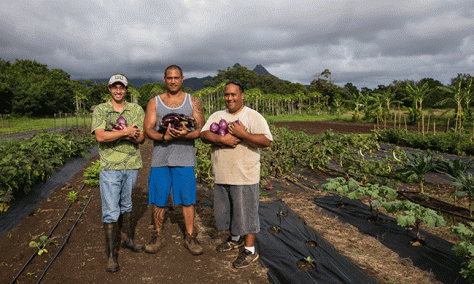
Against a backdrop of lush green mountains and swaying papaya trees, La‘amea Lunn readies his crop of carrots, kale, and eggplants for the weekly farmers market. He carefully tends his one-third acre on Oahu, Hawai‘i, preparing produce for a market stall he shares with friends—young farmers like himself, a few of whom he met when they worked neighboring plots on this land owned by the University of Hawai‘i.

At 32, Lunn has an office job with a career in restaurant kitchens behind him. He hopes to own a farm of his own, to be part of the local food movement, and to help transform the industrial food system. But taking that on now is a substantial investment, so Lunn is Continue reading We need more young farmers!

Career Support Services at UMass

careerservices

Here are some resources that might be useful….. and more are here:http://www.umass.edu/careers/

Resume Reviews by Real Recruiters – Feb 17th from 1-4pm

Recruiters from various companies will conduct reviews and provide advice on your resume while you wait. Companies such as State Street, Liberty Mutual, Target, IBM, US Fish & Wildlife. You don’t need to be interested in employment at these companies, but gain from their valuable expertise.

Start-Up Nation Innovation Technology Fair for all Majors
Feb 17, 4:00pm – 7:00pm, Campus Center Auditorium
The Innovation Fair is to introduce UMass students to the current entrepreneurial climate and to be competitive. The fair will include an Exposition floor with early stage tech Continue reading Career Support Services at UMass