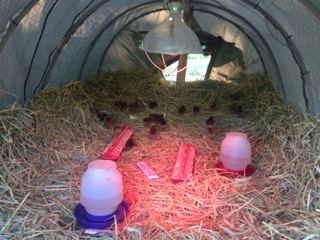
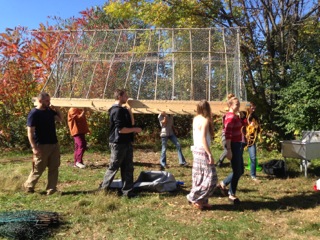
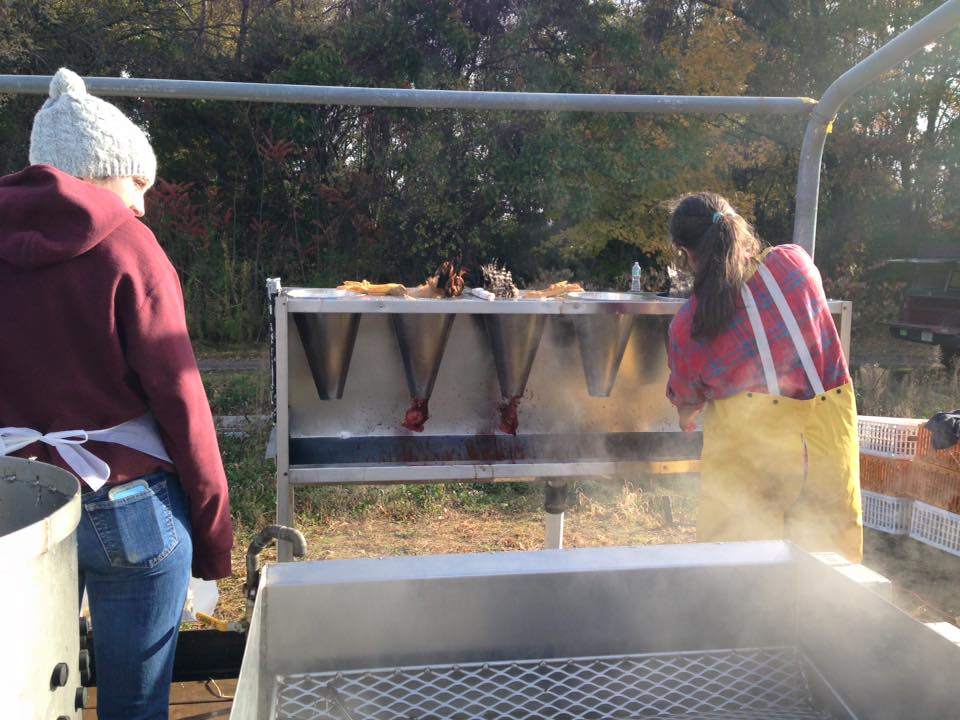
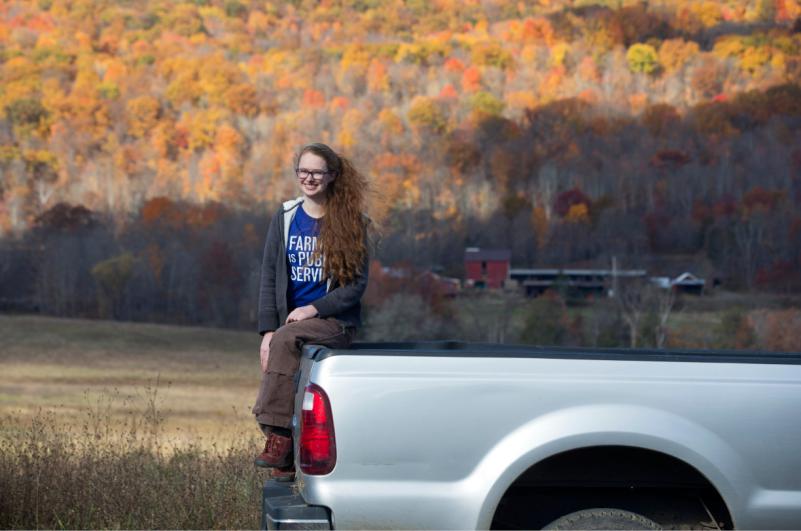
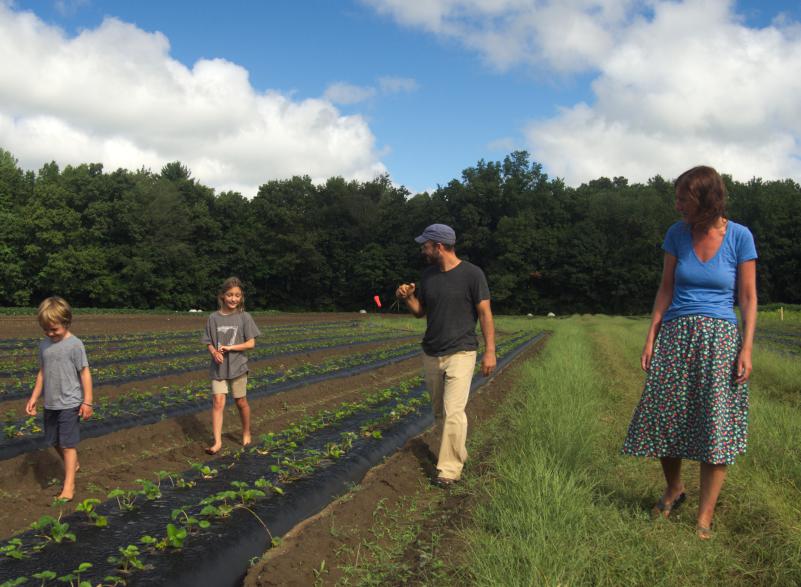
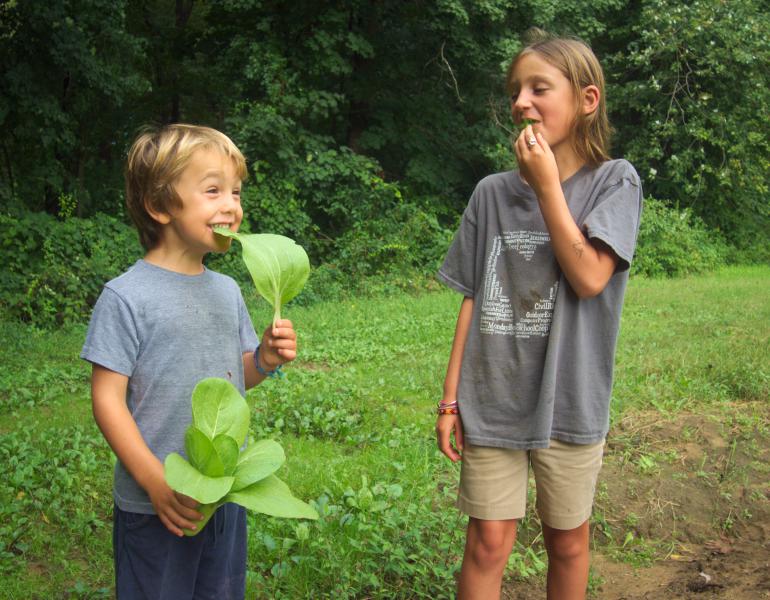
Thanks to Stockbridge Instructor, Nikki Burton, these Sustainable Food and Farming students in the UMass Stockbridge School of Agriculture learned to raise chickens on pasture this past summer at the Agricultural Learning Center.
Stockbridge graduate Willie Crosby launches a business expansion!
Willie Crosby is a recent graduate of the Stockbridge School of Agriculture. He also teaches a course in Mushroom Culture for Stockbridge and has supported many student projects and workshops. Willie and Dylan Kessler are trying to expand their successful start-up business, Fungi Ally.
Here is Willie at a local farmers market….
LET’S HELP SUPPORT FUNGI ALLY
Young, idealistic farmers help keep agricultural land in production
NEW PALTZ, N.Y. — Hauling feed, herding pigs, long hours. Farming is hard. And 25-year-old Leanna Mulvihill loves it.
Young farmers like Mulvihill are bright green shoots in a field full of old growth. Farmers, on average, are getting older, and millennials eager to get their fingernails dirty on sustainable farms are welcome.
“You’re not going into farming when you’re a young person now if you’re not idealistic,” Mulvihill said from the bed of a pickup she had loaded with hay. “It’s definitely an uphill battle.”
The average age of U.S. farmers has been climbing for decades and is now 58. A large concern is that the number of farmers past typical retirement age is growing faster than those under age 35, meaning the pipeline could be emptying faster than it’s filling up.
Organic farmers tend to be younger— 53 years old in the latest agricultural census. There is no hard count on the number of young farmers coming into the field who are either certified organic by the government or simply follow sustainable practices, like Mulvihill.
But there is broad anecdotal evidence that young farmers with an interest in growing healthy, local food are helping keep farmland in production.
“They tend to be very interested in local, they tend to be very interested in organic as the future path they want to travel on,” said Kathleen Merrigan, who traveled extensively when she was deputy secretary of the U.S. Department of Agriculture. “They tend to be college graduates, and from a whole lot of different disciplines.”
Mulvihill, for instance, was studying environmental engineering in college when she decided farming was a better fit. In her new venture, Four Legs Farm, she raises pigs and lambs for meat shares.
Merrigan, who now runs the sustainability program at George Washington University, said while there are many young people who want to get into farming, the hard part for many of them is being able to stay in business, given steep costs of land and equipment.
Organic farms can actually provide a quicker route to profits because farmers can fetch higher prices. Premiums paid to organic farmers can range 29 to 32 percent above conventional prices, according to a study published this summer by Washington State University researchers. That means an organic farmer can make a living on fewer acres.
In Albuquerque, New Mexico, 31-year-old Seth Matlick said he has been able to turn a profit on his 5-acre Vida Verde Farm, mostly by selling vegetables to local restaurants. He uses organic methods but is not certified organic.
“This year we bought a new tractor, some tools,” he said. “We pretty much doubled in size, acreage-wise. It’s slow and modest growth. But it’s manageable.”
The back-to-the-land philosophy of organic agriculture also fits in with millennials’ well-documented interest in healthy food.
“I think there’s an element of it being hip and cool … and it’s an alternative. So it’s not run of the mill. It’s about the earth,” said Nate Lewis, a 32-year-old farmer in Olympia, Washington, who is senior crops and livestock specialist for the Organic Trade Association.
In places like New York’s Hudson Valley — a region rife with development pressure — the move to keep farmland is closely linked to helping fledgling farmers. Groups have built a support system to help those new farmers succeed in a notoriously tough business.
Mulvihill grazes her animals on about 50 acres at the Hudson Valley Farm Business Incubator, a development program operated by a farming advocacy group, Glynwood. The incubator helps young farmers with guidance and training while providing farm equipment and below-market rents for three years to help them get on their feet.
Mulvihill is already looking to rent farmland elsewhere in the valley with help from a program that helps link landowners with farmers.
She also served one of her apprenticeships at the Westchester County farm of Stone Barns Center for Food and Agriculture, which promotes sustainable food systems. Stone Barns is putting on a young farmers conference next month that will feature presentations from young farmers like Matlick.
Matlick, who grew up in Manhattan, studied sociology at the University of Vermont and got the farming bug while working the fields in Albuquerque. Eight years into his business, he still prepares the beds, plants the seeds, weeds, harvests and delivers his goods.
“It’s kind of what we’re selling almost as much as the food itself,” he said. “It’s the intimacy and the guarantee that you’re getting hands-on really good food.”
ONLINE Associate of Science Degree in Sustainable Food and Farming
The UMass Stockbridge School of Agriculture has offered Associate of Science degrees in “practical agriculture” since 1918. Beginning in September 2016, we will welcome our first online class to Stockbridge by offering a fully online 60-credit Associate of Science degree in Sustainable Food and Farming!
This program will expand upon the successful 15-credit Certificate Program in Sustainable Food and Farming which currently has more than 750 students from all over the world. Unlike other agricultural certificate programs, students in the Stockbridge School of Agriculture may select from a diverse array of online classes from the “basics” of Soil Science and Botany to more specialized courses in Backyard Homesteading, Global Food Systems, and Urban Agriculture, just to name a few. The full list of courses currently offered online may be found here:
Online Sustainable Food and Farming Classes
The requirements for the online degree will be comparable to the on campus A.S. program in Sustainable Food and Farming. Students will earn academic credit toward their degree by taking high quality academic courses as well as gaining experience farming and marketing, working for non-profit organizations in food advocacy and community development, or agricultural education for example.
Applications will be available in January 2016. To be put on a mailing list to be kept informed, sign up here: ONLINE CLASSES.
Overview
Sustainable farming and marketing is a rapidly growing sector of the U.S. economy. Opportunities for new farmers as well as affiliated careers in public policy, advocacy, community development and education continue to grow.
The increasing demand for local and sustainably grown food has created opportunities for college graduates who understand the unique production, processing, and marketing approaches used in sustainable agriculture today. Some people entering the field will go back to their family farms. Many pursue specific interest in local or organic agriculture. Others will create their own opportunities in food marketing, processing, non-profit organizations, food and agricultural associations, or cooperative businesses. Some graduates plan on homesteading while pursuing employment in other fields.
The University of Massachusetts Stockbridge School of Agriculture has been at the heart of training and education in this broad network of food and farming systems since the establishment of “Mass Aggie” over 150 years ago. More recently, Stockbridge has experienced an increased demand among residential students at UMass in the Bachelor of Science degree in Sustainable Food and Farming.
Increasing numbers of mid-career professionals and returning Veterans have found the 15-credit Certificate Program in Sustainable Food and Farming to be an attractive means of gaining education while earning a college credential. These students have turned to the online environment to develop knowledge and skills applicable to the diverse array of work experiences that are part of the food chain – from production, processing, and delivery to policy, regulation, and education.
The Online Associate of Science Degree in Sustainable Food and Farming Certificate provides a reasonable option for those who wish to study sustainable food and farming but are not ready or able to make a commitment to an on campus degree program. Students will acquire a basic knowledge of plant and soil sciences along with training in agricultural techniques, community development, public policy, and education. The major offers flexibility in designing a personal program of study, allowing students to focus on specific career objectives.
Admission
The Online Associate of Science Degree in Sustainable Food and Farming is an academic program of the UMass Division of Continuing and Professional Education and the Stockbridge School of Agriculture. All students pursuing the degree must be admitted to the University of Massachusetts Amherst. Information on the application process will be released in January 2016. Students interested in pursuing the online certificate, but not a degree may simply register with a simple form here: Register for the Online Certificate.
Tuition and Fees
All online classes are offered through the University of Massachusetts Division of Continuing and Professional Education. Most classes cost $472 per credit. In addition, there is a $45 per semester registration fee.
Financial Aid and Scholarships
Investing in your education is a significant financial decision. Our Continuing and Professional Education Financial Aid Office can help make that investment a little easier through:
For more information, please contact our CPE Financial Aid Office here: Financial Aid.
And if you have question about using veterans benefits, please contact UMass Office of Veteran’s Services at vetbenefits@umass.edu or 413-545-5792 or see: http://www.umass.edu/veterans/
Advising
Online Associate of Science students will be assigned an adviser to help select courses and make progress toward graduation. If you have questions in advance, you may contact the A.S. Online Program Coordinator, Renee Ciulla.
Online Course Delivery
Courses taken online are equivalent to the same courses taken at the UMass campus in almost every way including: assignments, learning objectives, discussions, projects, exams, and the degree of rigor. The online learning environment provides opportunities to interact with other students from around the world as well as the course instructor. The “classroom” environment is engaging and dynamic and a community of learners often emerges during the class. Technical support for online education is available “24/7”, when you need it! As an online student you can “go to class” anytime, check out the course readings, chat with fellow classmates post comments to a threaded discussion board, submit assignments, and work on projects. Instructors make every effort to provide a meaningful educational experience using the online format and do so in a way that works for busy adults.
Technical Requirements
In general, to be successful accessing an online class you must:
- have access to a personal computer (Mac or Windows) with at least 128MB RAM (256MB preferred)
- be familiar with basic computer skills
- be connected to the internet
- have an e-mail program and account (provided)
- have at least a 56 kbps modem (DSL or Broadband Cable recommended)
- have a Java capable browser (Internet Explorer, Firefox or Safari)
- have an up to date antivirus program
For details on accessibility and software suggestions, see: Technical Requirements
Proposed Graduation Requirements
| Sustainable Food and Farming – A.S. Degree Proposal | ||||||||
| A. | General Requirements | |||||||
| MATH 104 (3) or MATH 101/102 (4) | ||||||||
| ENGLWRIT 111 or 112 (3) | ||||||||
| STOCKSCH 105 – Soils (4) | ||||||||
| STOCKSCH 108 – Botany (4) | ||||||||
| B. | Agriculture Requirements | |||||||
| Two Plant and Animal Production Systems Courses (6-8)* | ||||||||
| Two Economic and Social Systems Courses (6-8)* | ||||||||
| Three from either category (9-11) | ||||||||
| No more than 6 credits at the 100 level | ||||||||
| *Must be at 200 level or higher | ||||||||
| STOCKSCH 198F – Sustainable Food & Farming Internship (3) | ||||||||
| C. | Professional Electives | |||||||
| Select from the approved lists below or request alternatives | ||||||||
| Minimum of four Plant & Animal Production Classes | ||||||||
| with at least one of the four being a pest course | ||||||||
| Mimimum of one Economic & Social Systems Course | ||||||||
| Minimum total = additional credits to total 60 | ||||||||
Approved Courses |
||||||||
| Plant & Animal Production Systems | ||||||||
| STOCKSCH 117 – Agricultural Chemistry (3) | ||||||||
| STOCKSCH 119 – Homesteading (3) | ||||||||
| STOCKSCH 120 – Organic Gardening & Farming (4) | ||||||||
| STOCKSCH 186 – Introduction to Permaculture (3) | ||||||||
| STOCKSCH 265 – Sustainable Agriculture (3) | ||||||||
| STOCKSCH 286 – Permaculture Design and Practice (3) | ||||||||
| STOCKSCH 297R – Raising Dairy Goats Sustainably (3) | ||||||||
| STOCKSCH 320 – Organic Vegetable Production (3) | ||||||||
| STOCKSCH 397 ES – Exploring Sustainability (3) | ||||||||
| STOCKSCH – Integrated Pest Managment (3) to be developed | ||||||||
| Economic & Social Systems | ||||||||
| ACCOUNTG 221 – Intro to Accounting (3) | ||||||||
| MANAGMNT 301 – Intro to Management (3) | ||||||||
| MARKETNG 301 – Fundamentals of Marketing (3) | ||||||||
| STOCKSCH 258 – Urban Agriculture (3) | ||||||||
| STOCKSCH 288 – Land Use Policies and Sustaianble Farming (3) | ||||||||
| STOCKSCH 287 – Farm Planning, Marketing & Mgt. (3) | ||||||||
| STOCKSCH 355 – Community Food Systems (3) | ||||||||
| STOCKSCH 386 – Sustainable Site Planning and Design (3) | ||||||||
| STOCKSCH 387 – Global Food Systems (3) | ||||||||
| STOCKSCH 397 NP – Nonprofit Mgt of Comm. Food Programs (3) | ||||||||
| STOCKSCH 397 SP – Social Permaculture for Food Justice (3) | ||||||||
| STOCKSCH 397 FV – Postharvest Handling Fruits/Vegetables (3) | ||||||||
| Practica and Related Experiences | ||||||||
| STOCKSCH 196 – Independent Study (1-6) | ||||||||
| STOCKSCH 298 – Practicum (1-6) | ||||||||
| STOCKSCH 397 ES – Exploring Success (3) | ||||||||
| STOCKSCH 398B – Agricultural Practicum (1-6) | ||||||||
Community College Campus Goes Native
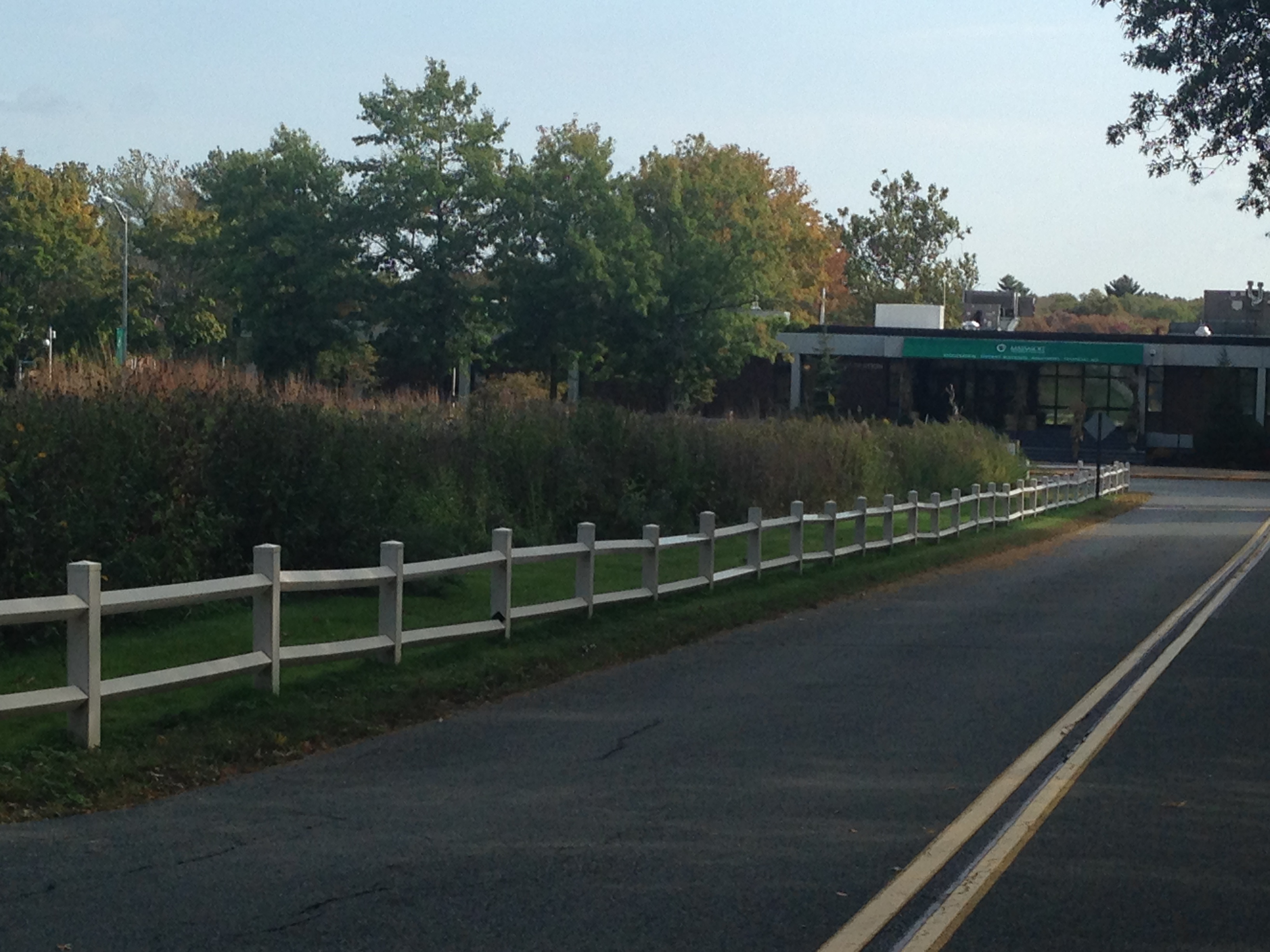
When you drive up the entrance road to Massasoit Community College in Brockton, MA, the first thing you see is a prairie! That is, you see a lawn gone wild with natural grassland vegetation just before you see the College Administration Building. Amazing!
Massasoit Community College has made a major statement about how a public space can be landscaped to provide habitat for native pollinators!
The Massasoit Meadow in the Making is the brainchild of faculty member Melanie Trecek-King and her landscape ecology students. And her colleague, Michael Bankson’s students presented the results of their efforts at the Annual Meeting of the Ecological Society of America in Baltimore, MD in August, 2015. Their work was entitled Restoring habitat with native flowering plants benefits wild bees in an urban landscape. The students have been conducting research about native pollinators under the Massachusetts STEM starter grant over the past year.
According to Melanie Trecek-King, as much as 12% of the grounds of the college has been turned into pollinator habitat and it has made a significant difference in the native bee and pollinator population on campus.
USDA/NRCS Chief Jason Weller said in a recent statement, “the foraging opportunities for honeybees — and native pollinators like butterflies, bumblebees, and other wild bees — are greatly enhanced when they can access vast fields of wildflowers and other native plants. But these fields are being broken up by agriculture and covered up by development.” USDA recently announced a $4 million program to assist farmers create more habitat to support declining bee populations.
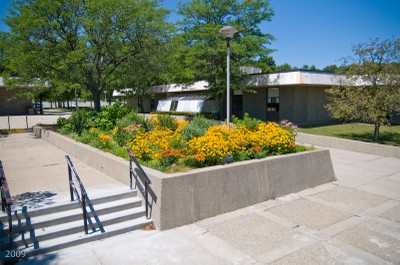
Like most college campuses, the standard landscaping right in the heart of the Massasoit campus used to feature typical sterile landscape plants and bark mulch.
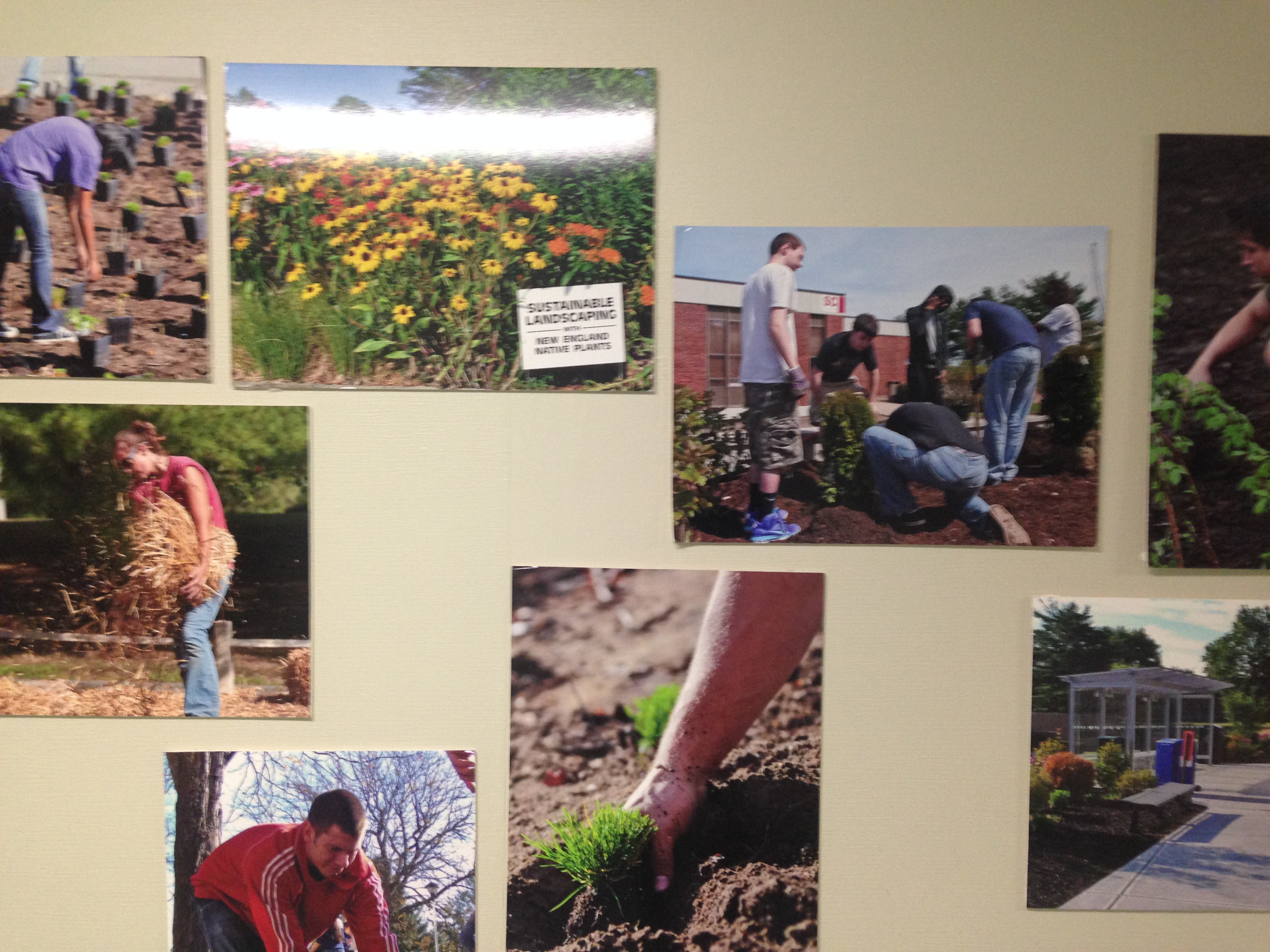
These areas have been turned into native plant pollinator gardens by Trecek-King and her students, both making the campus more beautiful and more ecologically friendly.
This important work offers students both the opportunity to gain real world practical experience in establishing and maintaining a sustainable landscape as well as research opportunities in landscape ecology.
Congratulations to Massasoit Community College for leading the way in Massachusetts toward creating a more ecological sound and educational landscape on their campus!
Young Family Farmers a Growing Trend
By JAMES HEFLIN – Daily Hampshire Gazette
Wednesday, September 23, 2015
Many parents can’t get their kids to eat their vegetables. Mountain View Farm owners Liz Adler and Ben Perrault, on the other hand, have to retrieve their daughter, Ollie Perrault, 8, and son, Nate Perrault, 5, from their fields in Easthampton where the kids can often be found, muddy feet and all, munching away at lettuce, peppers or ground cherries they’ve just plucked.
“They don’t want me to do anything to it,” Adler said. “They want just a pepper or a tomato, just like it is. Sometimes I come outside and say, ‘Get over here! We’re going to eat lunch,’ and I have to remind myself that they’re standing there with raw kale — they’re actually eating lunch already.”
Adler, 36, and Perrault, 35, have been together and involved with farming for about 17 years. They met in eastern Massachusetts and lived in several places as Adler pursued her Continue reading Young Family Farmers a Growing Trend
Get Involved
Students in the Sustainable Food and Farming major in the UMass Stockbridge School of Agriculture have the opportunity to “learn by doing” – one of Levi Stockbridge’s favorite sayings.
Toward that end…. here are a few opportunities to GET INVOLVED!
Local Hero Intern with CISA
The Local Hero internship is a great way to learn about CISA’s work and what it takes to run a Buy Local campaign. CISA works with over 200 farmers and an additional 100 plus businesses who participate in our Local Hero program. This spring we will be in the middle of our annual membership drive and providing technical assistance workshops, resources and one-on-one support to farms and businesses. We are looking for someone who is organized and interested in these topics to:
1) Perform outreach/support to Local Hero restaurant members;
2) Assist in data entry and analyzing surveys from wholesale growers, technical assistance workshops, and our year-end evaluation;
3) Research for specific topics of technical assistance needs;
4) Calls and outreach to Local Hero members; and
5) Tabling and outreach for CISA and the Local Hero program.
– See: http://www.buylocalfood.org/about/people/internships/
UMass Permaculture Garden Volunteers
Volunteering in the permaculture gardens is a great way to meet awesome people and get the chance to gain hands-on permaculture gardening experience. We are eager to teach if you are eager to learn! Come see our 1/4 acre garden, home to over 150 different species of plants! Earn credit by committing to work either Monday and Friday or Tuesday and Thursday from 9:30am – 11:00 am (3 hours total per week). Apply TODAY by sending an email to info@umasspermaculture.com
Small Ones Farm – Amherst, MA
Our internship programs offer a variety of hands-on work and training experiences on our working farm. Interns have the opportunity to assist with core farming tasks under the supervision of experienced farm staff. We seek mature college students who have a genuine interest in sustainable farming, are willing to tackle a range of farm tasks, are able to work both independently and on a team, are able to handle physically challenging outdoor work in all kinds of weather, and are reliable (i.e., arrive on time, maintain a consistent schedule, etc.). For more information, see:
Abundance Farm – Northampton, MA
Abundance Farm is currently accepting applications for three different internships (one to focus on vegetable production (sept-oct and march-may), one on our fruit orchard (sept-nov, march-may) and a third to focus on media and marketing (march-may). Click on these links to find out more about each internship.
All interested students should reach out to our Farm Manager, Tory Field at tory@abundancefarm.org
Fungi Ally Apprenticeships
Fungi Ally is a mushroom cultivation and education business based out of Hadley MA. We currently grow about 150 pounds of shiitake and oyster mushrooms and are moving into a new warehouse space. This fall we will be building new grow rooms, lab space, and continuing to provide mushrooms to local farmers markets, co-ops and grocery stores.
We are looking to hire two apprentices for the fall of 2015.
- The apprenticeship will run from September 2015-January 2016
- Between 20-40 hours per week. A weekly stipend depending on the hours agreed upon.
- Involved in all aspects of running a small mushroom farm
Contact Willie Crosby at;fungially@gmail.com
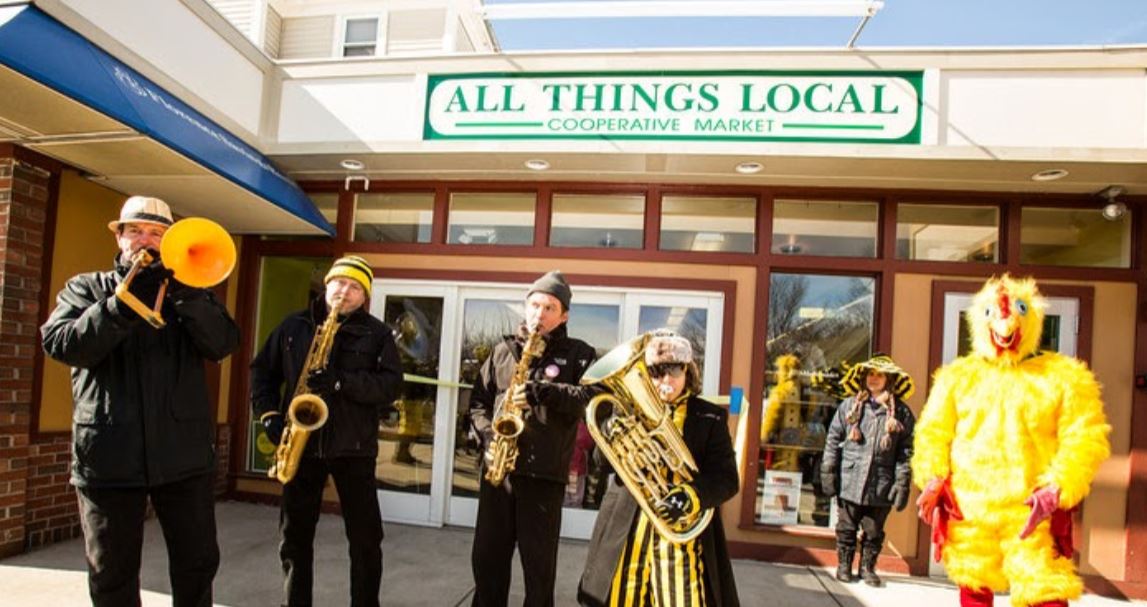
Volunteer at All Things Local – Downtown Amherst
All Things Local is a cooperative market which provides opportunities for local farmers and crafters to sell their products for a fair price. Volunteers are needed to help with promotion, education, and managing the store. Please fill out this survey so we can meet the cooperative’s needs while making the best use of your time and skills! We need your help to make this cooperative successful, and we sincerely appreciate your contribution! Thank you in advance.
If you have questions regarding volunteering, please contact Allison at allison@allthingslocal.coop
————————————————————————————————————-
For more information on internship and apprentice opportunities, see:
Finding Good Work in Sustainable Food and Farming
And to get credit for these opportunities, contact John Gerber before September 18, 2015 for fall semester!
UMass Keeps Bees!
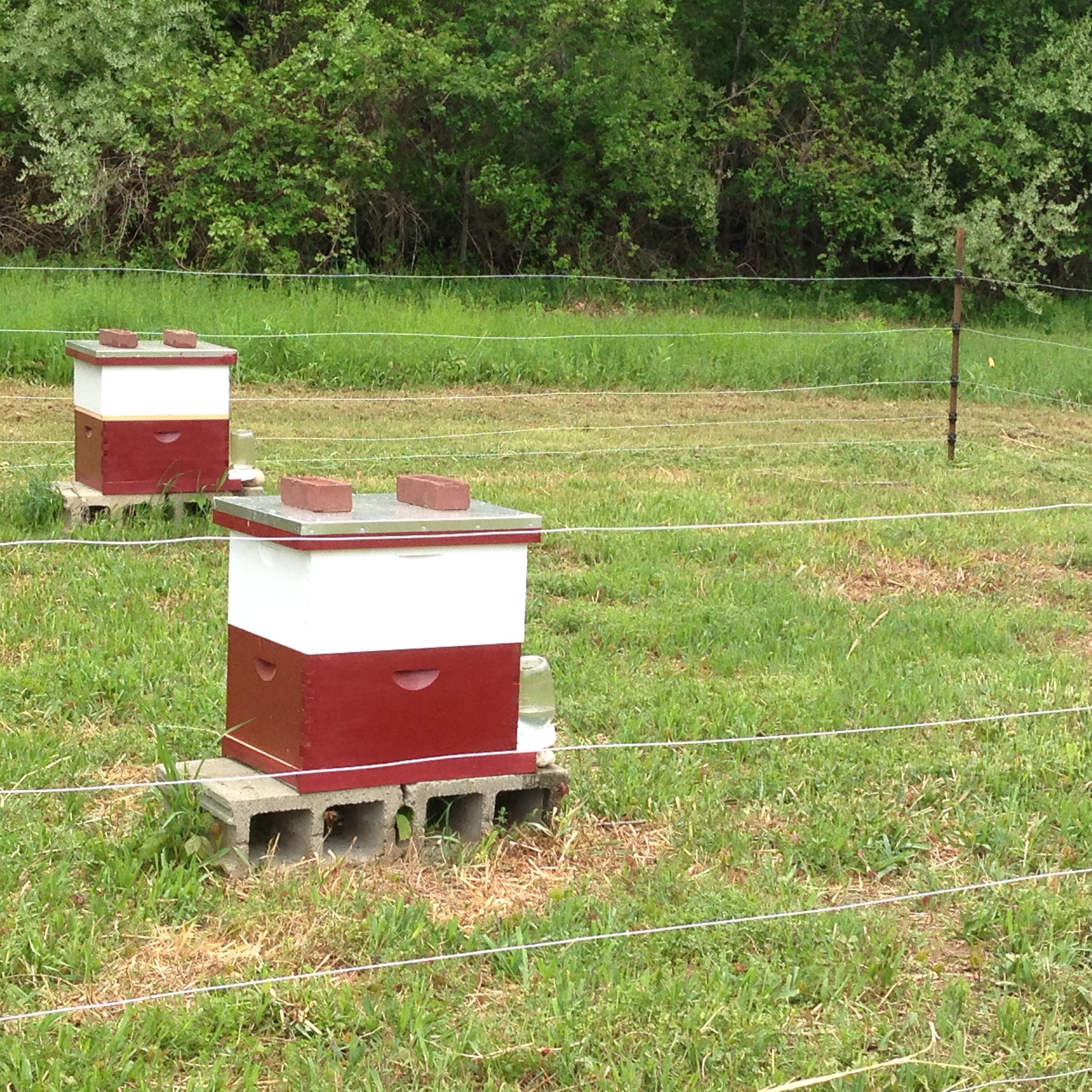
Meandering the Renaissance Center’s Great Meadow on a sunlit summer afternoon, you might spy three squat maroon and white structures near the central copse of trees. As you draw closer, you notice the air traffic and soft drone of golden, fuzzy honeybees on their foraging missions.
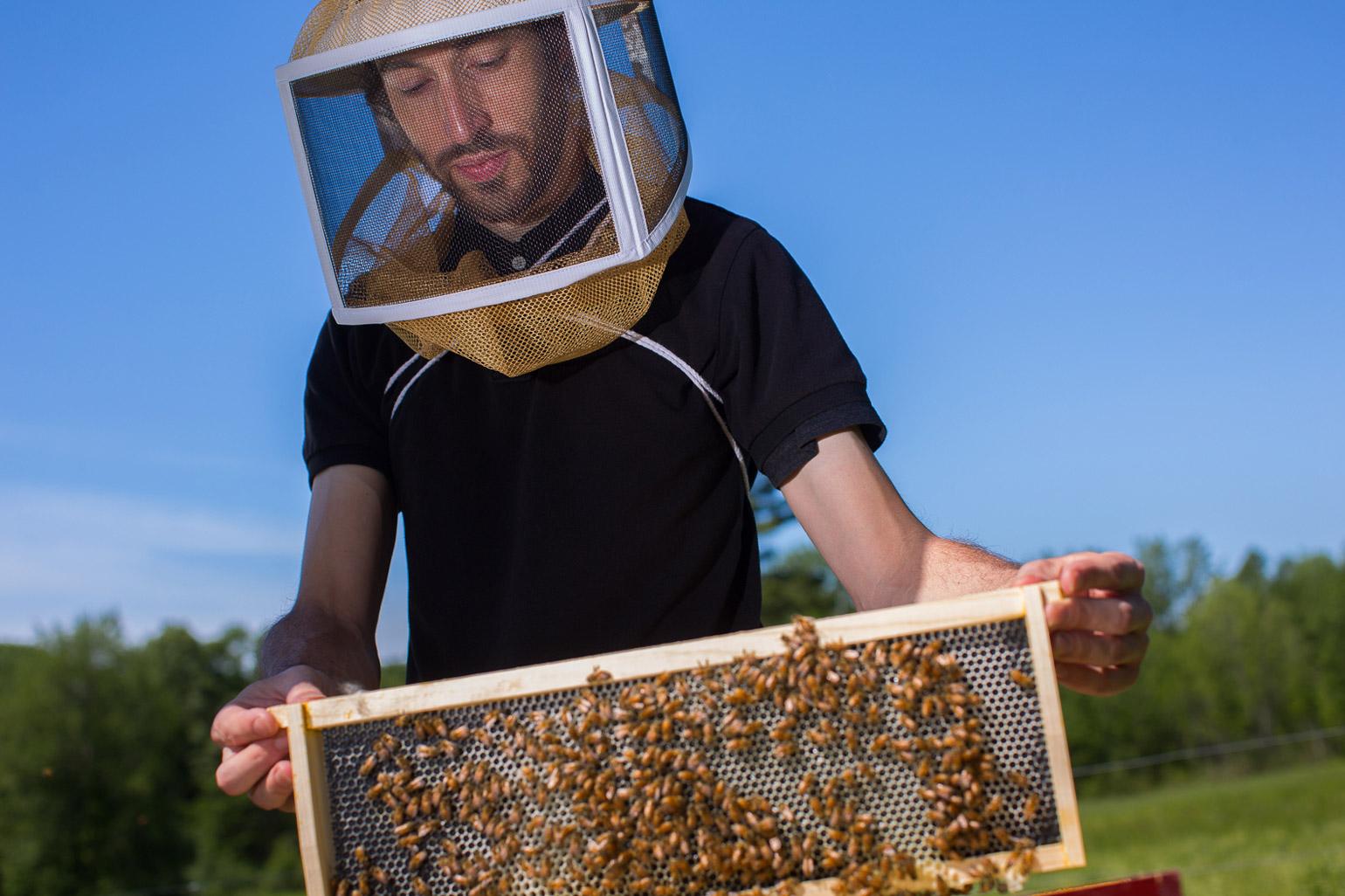
These structures are the new hives of the UMass Bee Club, currently 100 students strong and growing. Many members, such as incoming president Alexandra Graham, joined because of their concern over threats to the bee population, and the future diversity of our food supply.
“I first became interested in bees a few years back when I learned about colony collapse disorder and started Googling,” relates Graham. “Turns out bees are the coolest ever, and I immediately fell in love. So as soon as I found out about UMass beekeeping I jumped right in.”
The Great Meadow backs up to the Agricultural Learning Center, a demonstration facility that allows students to get hands-on experience with bees. (Click here for a story on the Stockbridge Pollinator Garden).
Massachusetts Agricultural College was the first college to offer a formal beekeeping program. When Butterfield was still a field, and Orchard Hill an orchard, the eastern edge of campus buzzed with fifty working hives and a dedicated Apiary Laboratory.
But after the last beekeeping professor retired in the late 1960s, the program went dormant. The tradition was revived when founder Eamon McCarthy-Earls ’15, a backyard beekeeping enthusiast, arrived on campus. He founded the club in 2012, at first working with entomology research hives.
Beekeeping is a practice passed down through generations. As many lifelong apiarists are aging, in order to ensure the survival and diversity of healthy populations of bees, “to have youth interested in beekeeping right now is really important,” remarks Jarrod Fowler ’14G, pollinator expert at the Agricultural Learning Center.
The club’s goals are to establish a sustainable productive apiary on campus, create a resilient modern beekeeping program, and optimize the already pollinator-friendly Great Meadow as a pristine meadowland with even greater forage for bees.
But for the short term, says Graham, “we’re just caring for the hives and inspiring more people to learn about bees. We’re excited to be able to offer hands-on experience to our members.” She adds, “eventually there will be honey, and honey means extracting and filtering and bottling and all sorts of other fun things.”
Both on campus and culturally, says Earls, “we’re revitalizing a cultural heritage.”
NOTE: To join the club, “like” them on Facebook or contact them at; umassbeeclub@gmail.com. The Stockbridge School of Agriculture plans on offering a new course called Practical Beekeeping in the spring of 2016. Watch for STOCKSCH 166.
High school students explore the world of farming, food at UMass
The Republican – August 04, 2015
Ten students from around the country came to campus to the one-week program the last week of July. Their only regret was it wasn’t two weeks long.
UMass Stockbridge School of Agriculture instructor Sarah Berquist taught the program on sustainability and food systems.
She said the summer is perfect for a program like this because “harvest is abundant.” And she said the program “is a great opportunity to spread the word about our great program.”
Students learned how the food system in the country operates. They worked with on the UMass student farm in South Deerfield and got the chance to talk to the student farmers.
They worked in the Food for All Garden at UMass, a garden that provides organic produce to places such as the Amherst Survival Center and Not Bread Alone soup kitchen.
On the last day, they were learning about permaculture with a tour of the five-year-old Franklin Dining Commons garden.
Sixteen-year-old Anna Stone came from New York City already aware about poverty and the struggles for food seeing the myriad homeless in the streets.
She is interested in “revitalizing poor communities through urban farms.”
She was learning more about the farm bill and farm systems and the agricultural industry.
“I hadn’t studied permaculture.
“I want to bring those techniques back,” she said.
Brett Koslowsky, 17, from Cambridge was also enjoying the “overview, the states of a different areas.”
She too is interested in agriculture and is a member of the Belmont High School’s Garden and Food Justice Club. She attends that school.
Both said they might be interested in coming to the UMass sustainable agricultural program now that they know about.
Jenna Carellini, 18, of Fishkill New York, wants to study nutrition and took a nutrition program last year but that was in the lab.
She wanted “a hands on approach” and was enjoying that with the week.
Berquist said they capped the program at 10 and had a few more applicants than spaces. She said they’d like to bring it back next summer and perhaps extend it and open it up to more people.
“Their passion for the topic is incredible,” she said of her students. She was impressed “to see people (their age) with that much interest and knowledge.”
She said they want to be “ambassadors for change.”
Visit the UMass Pollinator Garden
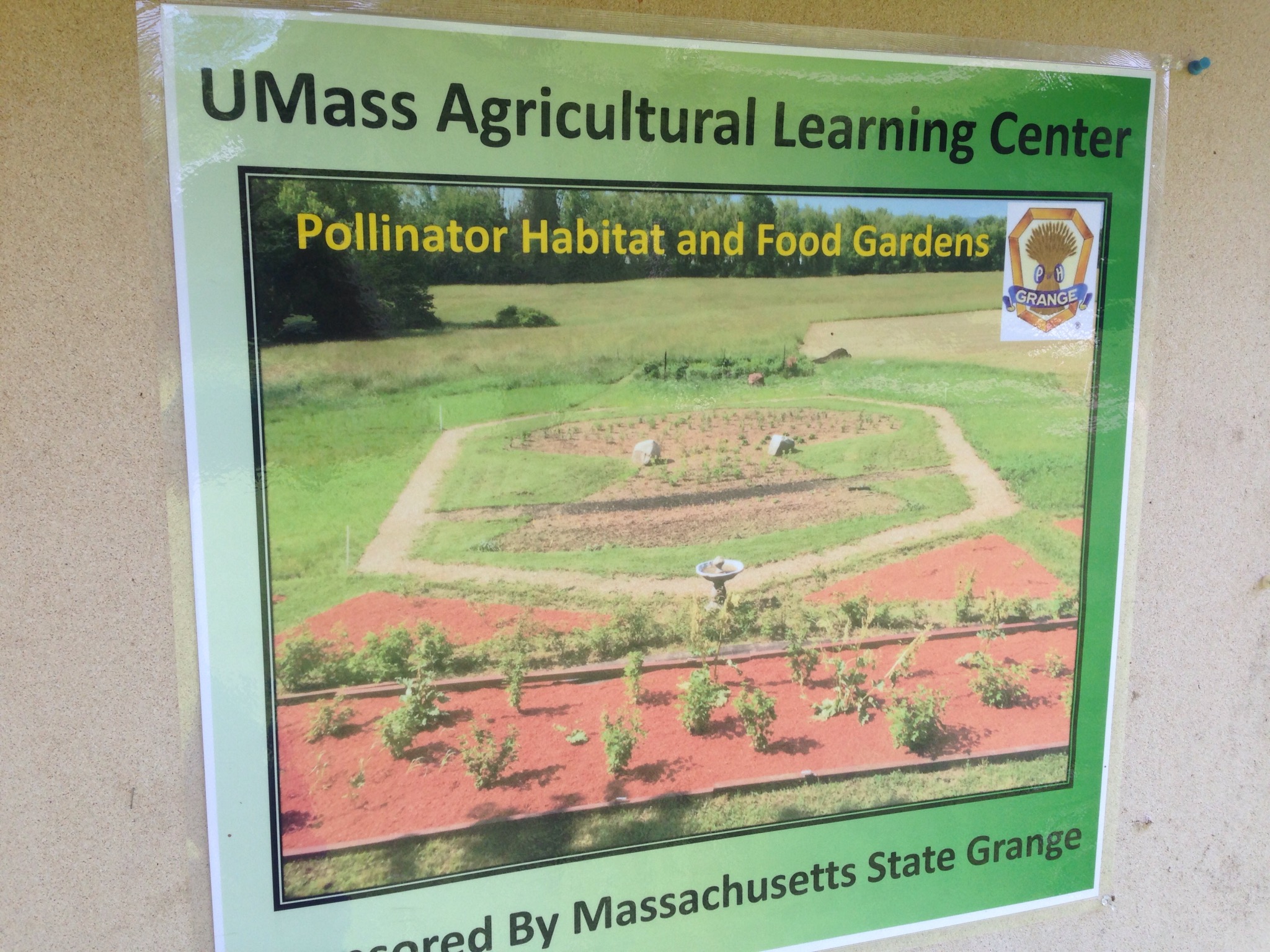
You are invited to stop by the UMass Pollinator Garden at the Agricultural Learning Center to see several beautiful plantings that provide habitat and feed for both native and honey bees.
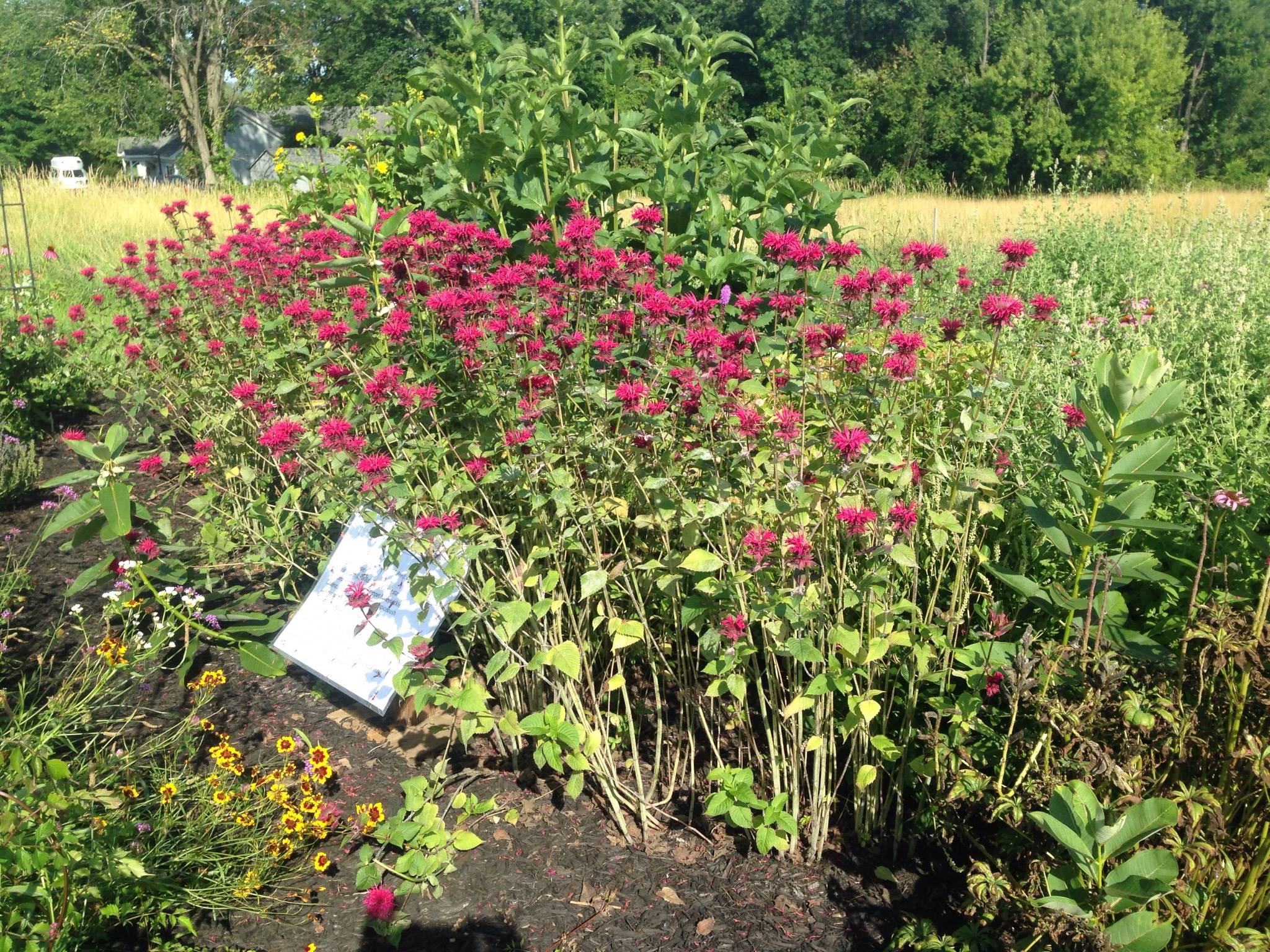
The garden was sponsored by the Massachusetts State Grange and is manged by Professor Stephen Herbert, a faculty member in the Stockbridge School of Agriculture. Among the many types of plantings on display, I think the butterfly and hummingbird hedgerow is my favorite.
The red flower is Bee Balm, also known as “patriots tea” because it was used as a tea-substitute after the American Colonists dumped British tea in Boston Harbor!
Bees and other pollinators will also be attracted to productive fruit plantings.


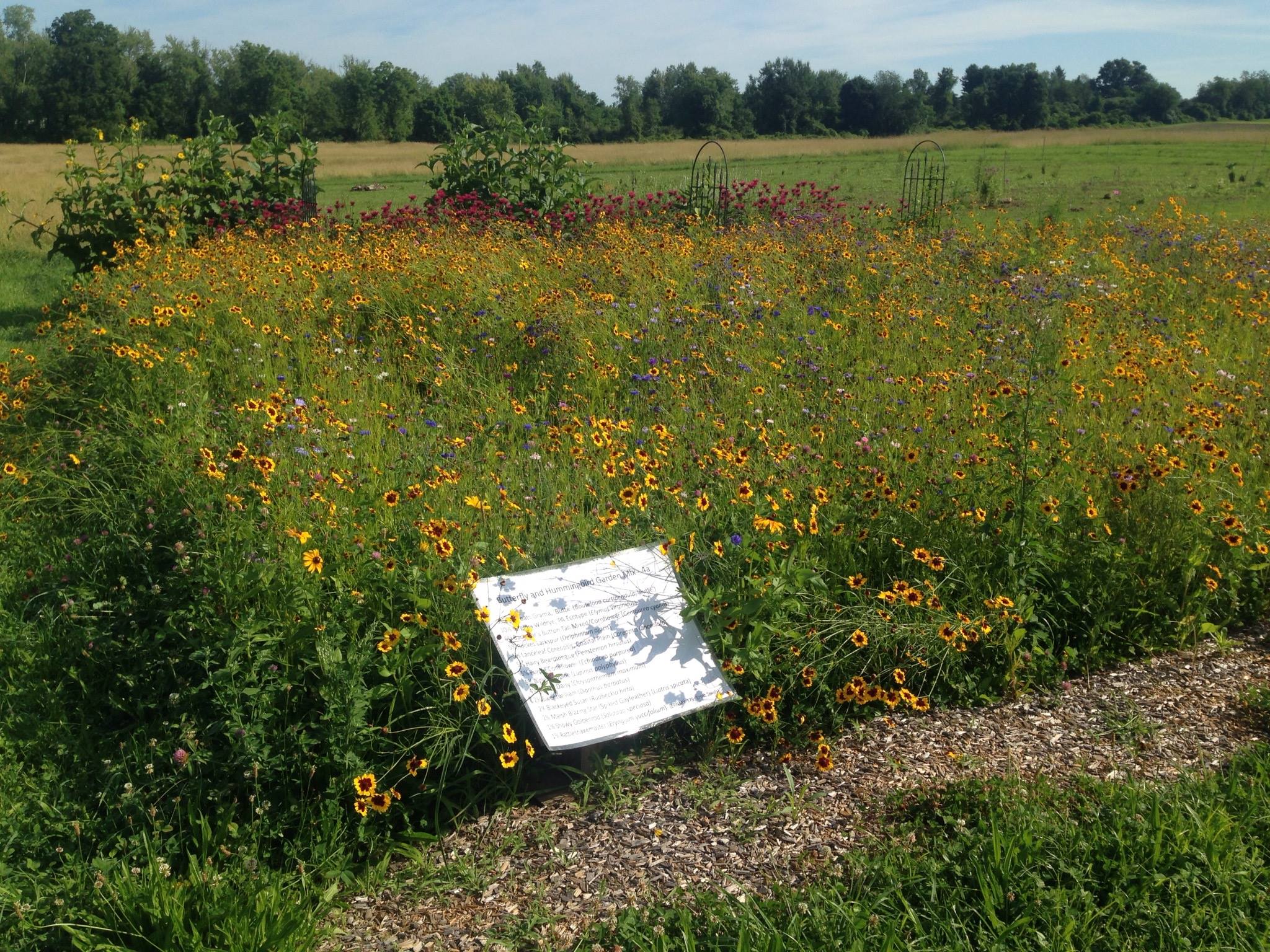
If you have the space, the butterfly and hummingbird seed mix makes a nice looking pasture of wildflowers.
Below is short video of Professor Herbert, welcoming you to the garden!
The garden is located behind the Wysocki House at 911 North Pleasant St. in North Amherst, MA. You may park in the Wysocki parking lot and walk back toward the field. Be sure and say hello and ask questions from the students and faculty who are often working on the site!